
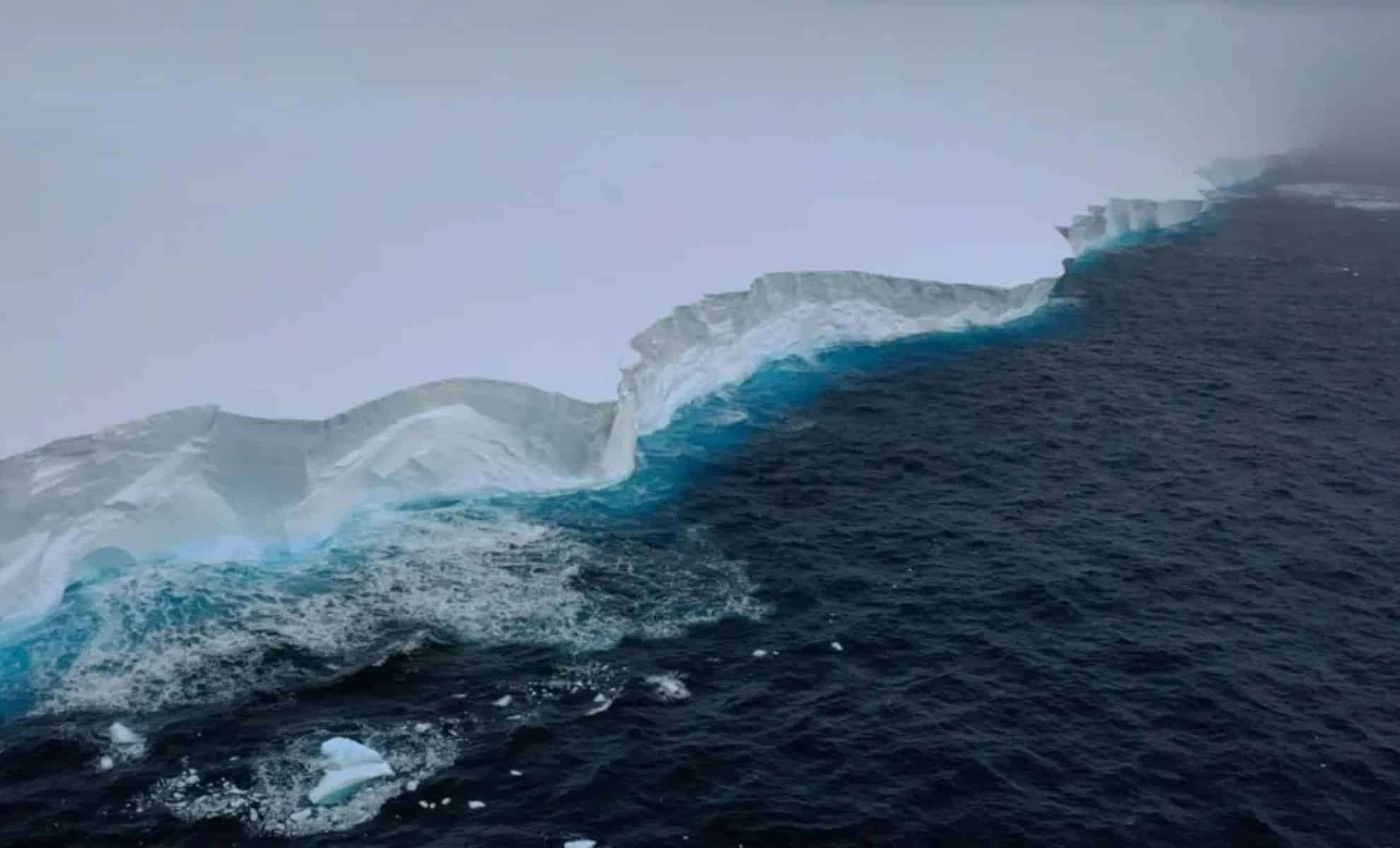
Scientists are sounding urgent warnings about the swift disintegration of Iceberg A23A, one of Earth's largest icebergs, as global temperatures climb. This alarming melt could accelerate sea level rise, leading to widespread environmental challenges. A recent investigation published in Nature reveals the intensifying warming trends around Antarctica and the irreversible transformations underway. Lead scientist Dr. Nerilie Abram emphasizes that the iceberg's decline exemplifies the immediate and critical nature of the planetary climate emergency.
Iceberg A23A's Decline: A Clear Indicator of Climate Threats
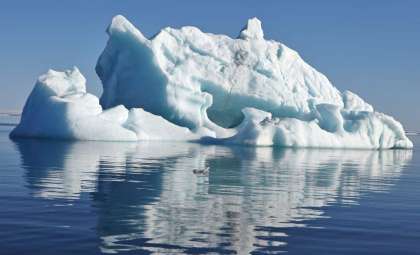
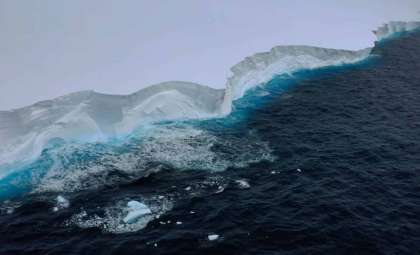
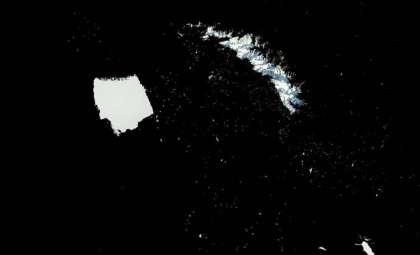
Having drifted in the Southern Ocean for more than a year, Iceberg A23A—comparable in size to Puerto Rico—has been recently tracked via satellite, providing stark evidence of ice depletion in Antarctica. This massive ice formation is among the largest to calve from the Antarctic ice sheet in recent history. Its ongoing fragmentation not only elevates sea levels but interferes with the delicate balance of Antarctic ecosystems.
The rapid melting is driven by several factors, with scientists attributing much of it to rising Southern Ocean temperatures. Warmer waters erode the iceberg’s base, hastening its breakdown. Dr. Abram notes, “The retreat of sea ice reduces the ocean’s reflectivity, allowing more solar heat absorption, which intensifies warming in the Antarctic area.”

In addition to immediate impacts, the loss of large ice masses may destabilize adjacent sections of the Antarctic ice sheet, potentially triggering a chain reaction of accelerated ice loss. This domino effect poses a grave threat to global sea levels, which are already under pressure from ongoing climate change. The ongoing disintegration of A23A underscores the increasing fragility of ice shelves on the continent.
Irreversible Transformations Unfolding in Antarctica
As the disintegration of A23A proceeds, researchers caution that the Antarctic environment is approaching critical thresholds. Dr. Abram warns some changes may soon be permanent: “Other alterations to Antarctica, such as the disappearance of ice shelves and the vulnerable ice sheets they support, could become unstoppable.” The collapse of these massive structures would contribute substantially to global sea level rise.
Ice shelves serve as natural barriers, restraining inland ice sheets from flowing into the ocean. However, as warmer ocean currents thin these shelves from below, their structural integrity weakens. Should this trend persist, extensive ice sheet portions might eventually break away, resulting in sea level increases of several meters over time.
This phenomenon is already underway and expected to accelerate alongside rising temperatures. The destabilization of Antarctic ice carries profound implications not only for the region itself but also for coastal areas worldwide, which face increased flood risk due to escalating sea levels.
Wider Climate Consequences Stemming from Antarctic Warming
The changes occurring in Antarctica have repercussions far beyond the polar zones. Warming in the Southern Ocean and shrinking ice shelves are projected to disrupt global climate patterns significantly. Professor Matthew England, co-author of the Nature article, highlights the particular risks for Australia: “These effects include elevated sea levels threatening coastal communities, a warmer and less oxygenated Southern Ocean that impairs atmospheric carbon dioxide absorption—amplifying warming in Australia and beyond—and heightened regional temperatures driven by Antarctic sea ice loss.”
Australia is already grappling with intensified heatwaves, wildfires, and prolonged droughts due to climate change. Additional Antarctic-driven warming may exacerbate these conditions, challenging ecosystems and human populations alike. Moreover, the Southern Ocean’s role in the global carbon cycle—absorbing vast amounts of CO2—is compromised as warming decreases its oxygen levels, accelerating the overall pace of climate disruption.
- Categories:
- News



0 comments
Sign in to Comment