
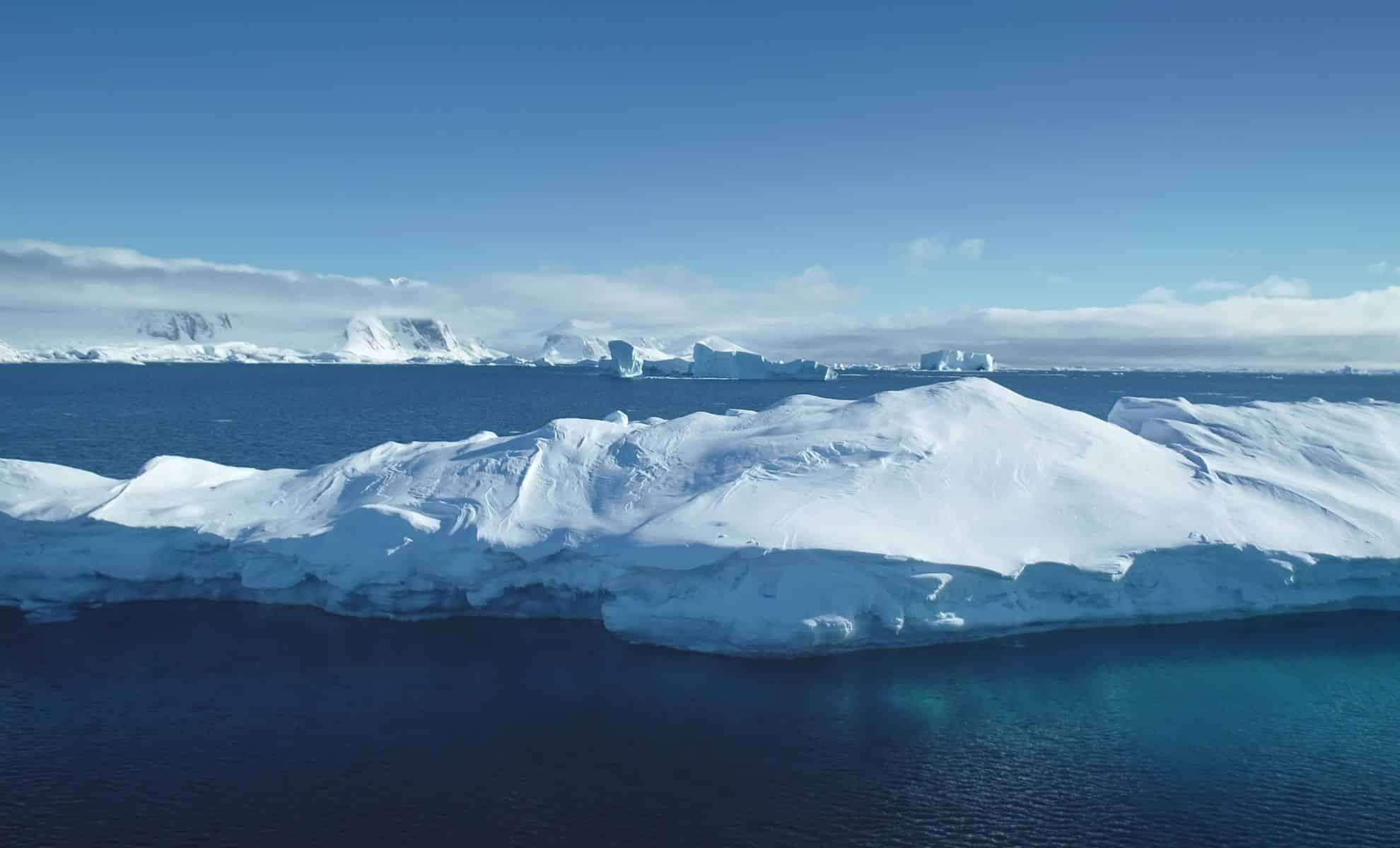
Researchers have, for the first time, closely examined the ocean conditions surrounding the disintegrating mega-iceberg A-68A, revealing crucial data on the ways this enormous ice formation is influencing the Southern Ocean. Spearheaded by the British Antarctic Survey, the project deployed cutting-edge robotic gliders to collect detailed measurements near the iceberg’s border. Their results highlight substantial alterations to the ocean’s natural functioning, offering a glimpse into the lasting consequences of massive ice melt on marine ecosystems.
Transformations in Ocean Stratification Induced by A-68A
As A-68A undergoes fragmentation, the torrents of meltwater it releases disturb the usually stable layers of the ocean. The research gliders identified a distinct layer of freshwater extending up to nine meters below the surface, indicating the rapid spread of cold meltwater. This influx disrupts the Southern Ocean’s typical layering, where warm surface waters are usually separated from colder, nutrient-heavy waters below.
Beyond altering temperature and salinity, the meltwater carries elevated concentrations of iron and silica sourced from beneath the iceberg. These nutrients, brought up by the interaction between deep ocean currents and the ice, are likely to increase nutrient availability and trigger shifts in marine organism distribution.

Phytoplankton Dynamics Respond to Nutrient Enrichment
One striking finding from the research centers on how phytoplankton populations respond to the burst of nutrients from meltwater input. Initially, the gliders detected a decline in chlorophyll levels paired with an increase in backscatter readings, signaling a temporary reduction in phytoplankton and a rise in suspended sediments likely stirred up by iceberg-induced turbulence. Remarkably, this was followed by a sharp increase in chlorophyll just 36 hours later.
This pattern implies that the nutrient infusion could have triggered renewed phytoplankton growth. Since these microscopic producers form the base of the marine food web, any significant alterations in their presence may ripple through the ecosystem, potentially boosting primary productivity and benefiting species reliant on phytoplankton for nourishment.
Southern Ocean’s Carbon Capture Impact
The mixing of meltwater with deep ocean currents extends its influence to carbon cycling. The upwelling of cold, nutrient-rich waters conveys both heat and dissolved carbon to the surface, playing an essential part in the Southern Ocean’s function as a major sink for atmospheric carbon dioxide—vital in efforts to mitigate climate change.
The melting of A-68A could temporarily amplify this carbon uptake by modifying vertical ocean circulation. Nonetheless, the long-term consequences of melting icebergs on the Southern Ocean’s carbon absorption capacity are still uncertain, necessitating continued scientific exploration to grasp the broader climate implications of ongoing ice loss.
- Categories:
- News









0 comments
Sign in to Comment