
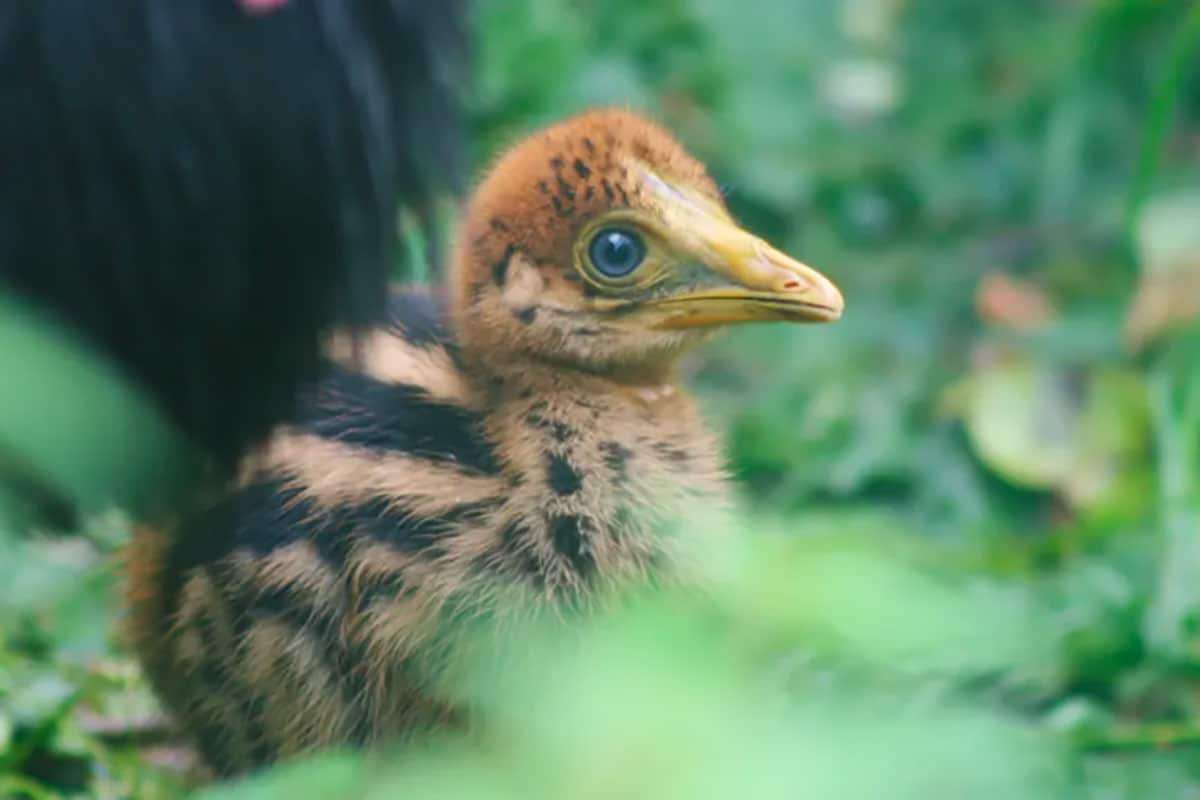
The recent birth of a cassowary chick at Birdland Park is an exciting milestone. This event marks the first cassowary hatch in the UK since 2021 and stands as only the fourth recorded in Europe this year. Birdland Park, home to these impressive birds for over a quarter of a century, has achieved an exceptional breeding success with this species, which is notoriously difficult to reproduce in captivity.
This chick is the progeny of a male from Vogelpark Avifauna in the Netherlands and a female originating from Frankfurt, Germany. Both parents have lived at Birdland since 2012 as participants in the European Endangered Species Programme, a coordinated conservation breeding effort managed by the European Association of Zoos and Aquaria.
The birth is especially remarkable due to the infrequent nature of cassowary hatchings in zoological settings. Their complex behavioral needs and specific habitat requirements make captive breeding a challenging task for conservationists.

Getting to Know the Cassowary: An Exceptional Flightless Bird
The cassowary, or Casuarius casuarius, is a member of the ratite group, which includes large, flightless birds. It stands out due to several distinctive features:
- Striking blue skin around the neck
- Strong, bare legs
- A prominent helmet-like casque atop its head
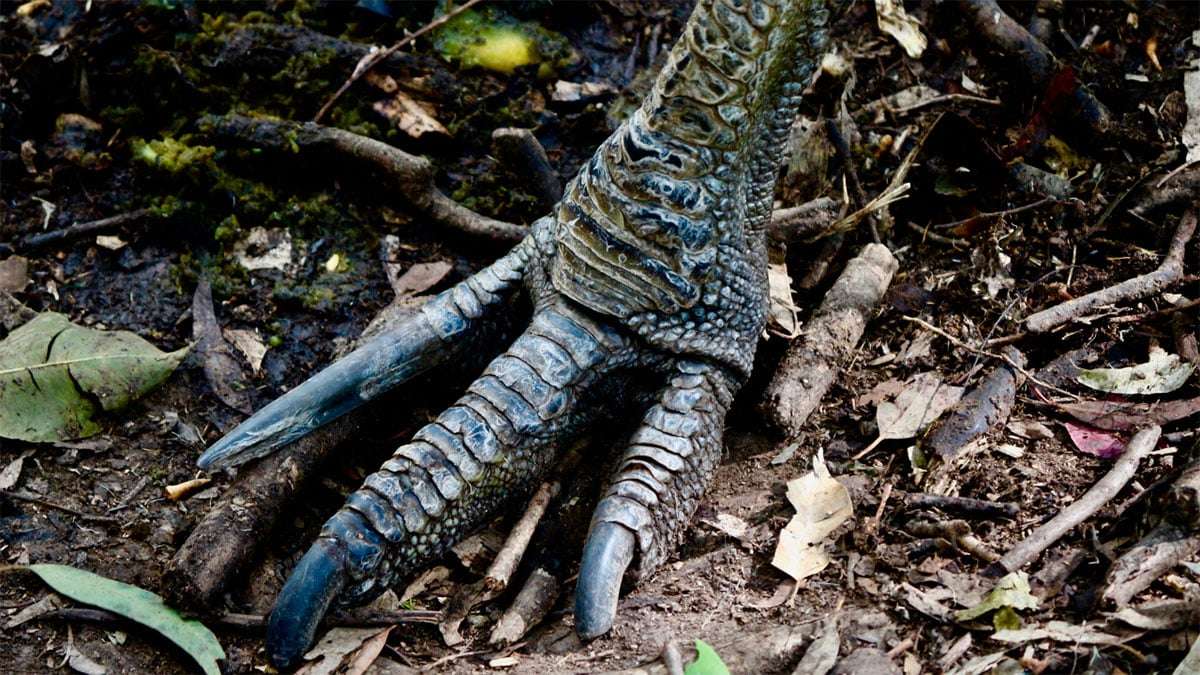
- Long, dagger-like claws that can grow up to 10 cm
There are three recognized cassowary species: the southern cassowary (Casuarius casuarius), the dwarf cassowary (Casuarius bennetti), and the northern cassowary (Casuarius unappendiculatus). Their natural habitats span the rainforests of New Guinea, northern Australia, and several Pacific islands.
Remarkably, cassowaries share parenting responsibilities, with males incubating the eggs for about two months and continuing to nurture the chicks until they reach roughly 16 months old, when they start feeding more independently.
Is the Cassowary Truly the Most Dangerous Bird?
The cassowary’s label as the “world’s most dangerous bird” is grounded in reality. According to Alistair Keen, a Birdland zookeeper, the combination of their size, agility, and razor-sharp claws requires handlers to exercise great care. In the wild, these birds are powerful and capable of delivering serious injuries if they feel threatened.
Generally shy and avoiding humans, cassowaries can become aggressive when cornered or provoked. Their formidable legs and sharp claws are defensive tools capable of causing severe harm and, in rare instances, human fatalities. The most recent known fatal interaction with a cassowary was reported in Florida in 2019.
It’s important to clarify that cassowaries do not attack humans out of unprovoked aggression. Their confrontations with people often stem from habitat encroachment and environmental pressures, as detailed in this article.
Conservation Issues and Population Trends
Despite their fearsome image, cassowaries are under threat in the wild. All three species appear on the IUCN Red List, currently classified as “Least Concern,” though this categorization masks downward population trends:
SpeciesPopulation TrendSouthern CassowaryDecreasingNorthern CassowaryDecreasingDwarf CassowaryStable
In Australia, the southern cassowary suffers from multiple threats including:
- Destruction of its rainforest habitat
- Illegal hunting pressures
- Vehicle collisions
- Predation or attacks by domestic dogs
Estimations by Australian authorities indicate only around 4,500 southern cassowaries remain in their native range. Their decline is especially concerning given their vital role in dispersing seeds and sustaining tropical forest ecosystems, aiding biodiversity and forest regeneration.
The Birth at Birdland Park brings encouragement to conservation efforts, emphasizing the necessity of sustained protective measures. Educating the public and backing conservation programmes are essential steps to preserve the cassowary for future study and admiration.
- Categories:
- Science















0 comments
Sign in to Comment