
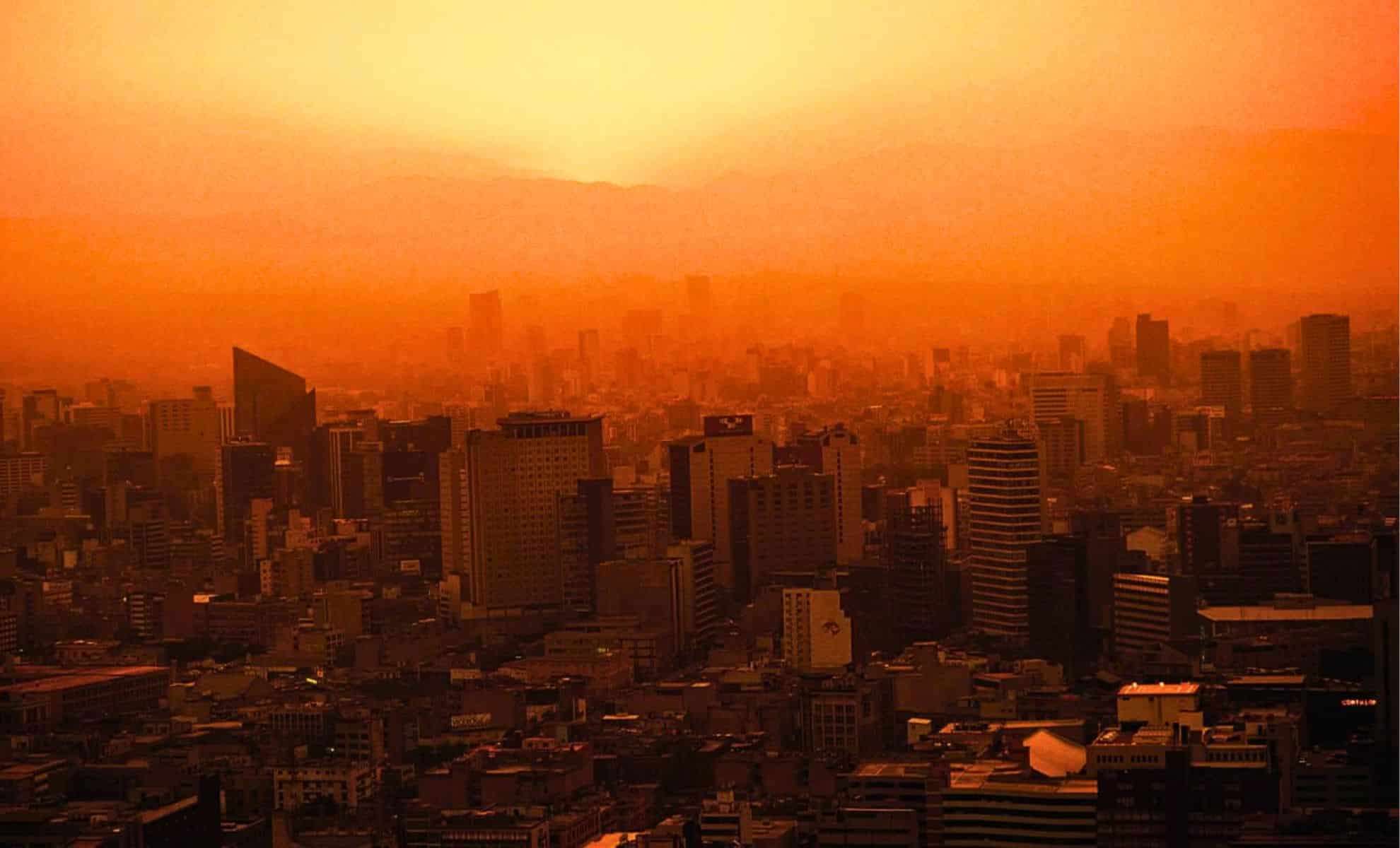
Although it's traditionally winter in the Southern Hemisphere, Australia is experiencing unprecedented warmth. On August 26, a remote coastal site in Western Australia hit an all-time winter high of 41.6° Celsius (107° Fahrenheit), setting a new national record.
Just two days later, at Bidyadanga, an Indigenous community, nighttime temperatures lingered at a remarkable 27.2° C (81° F), significantly exceeding the long-standing winter average of 15° C (59° F). Such extreme warmth raises concerns for public health, with potential impacts on sleep quality, heart health, and mental wellness.
August has been dominated by unusual weather across Australia, nearing the chance to outpace last year's highest recorded average winter temperature. In 2023, the nation's winter mean temperature was 1.53° C above the historical average of 14.96° C, the warmest since record keeping began in 1910.

On a global scale, researchers note that nighttime temperatures are rising faster than daytime highs—a phenomenon termed “Asymmetric Warming.” This imbalance is a key contributor to the planet’s ongoing temperature increase, underpinning an unprecedented 14-month streak of record-breaking heat worldwide.
We have just observed the highest temperature ever recorded in winter in Australia 🇦🇺
Multiple weather stations have been breaking records, highest temperature came in today at +41.6°C in Western Australia (Yampi Sound). Astonishing intensity of heat for winter. pic.twitter.com/dqABZ4h6HN
— Scott Duncan (@ScottDuncanWX) August 26, 2024
Broader Climatic Shifts Across the Southern Hemisphere
Australia’s extreme winter heat is part of a wider pattern affecting other southern regions. In South America, the Pantanal wetlands spanning Brazil, Bolivia, and Paraguay are battling severe wildfires fueled by persistent drought and unusually warm conditions. Over 700,000 hectares have burned so far this year.
While winter has historically been characterized by dry, mild weather, recent decades have brought drier and hotter conditions, influenced partly by the El Niño climate cycle, which climate change may be intensifying.
Implications for Ecosystems and Farming
Warmer winters pose challenges to ecosystems and agricultural productivity, disrupting growth cycles, altering harvest timings, and threatening food security. Variations in winter temperatures can affect water availability and insect populations crucial to crop health.
In the United States, ongoing warming trends led the U.S. Department of Agriculture to revise its plant hardiness zones in 2023, helping farmers adjust planting strategies according to evolving climate conditions.
Readers have expressed concerns about agriculture’s adaptability to these shifts. In response, scientists are working on developing heat-tolerant crop strains, including new types of apples capable of thriving in temperatures up to 40° C (104° F).
Moreover, diminished snowpack during warmer winters threatens vital water reserves that sustain rivers and groundwater. Reduced freezing temperatures also risk expanding the range of insect-spread diseases such as dengue, as frost events that typically suppress insect populations become less frequent.
- Categories:
- Climate change









0 comments
Sign in to Comment