
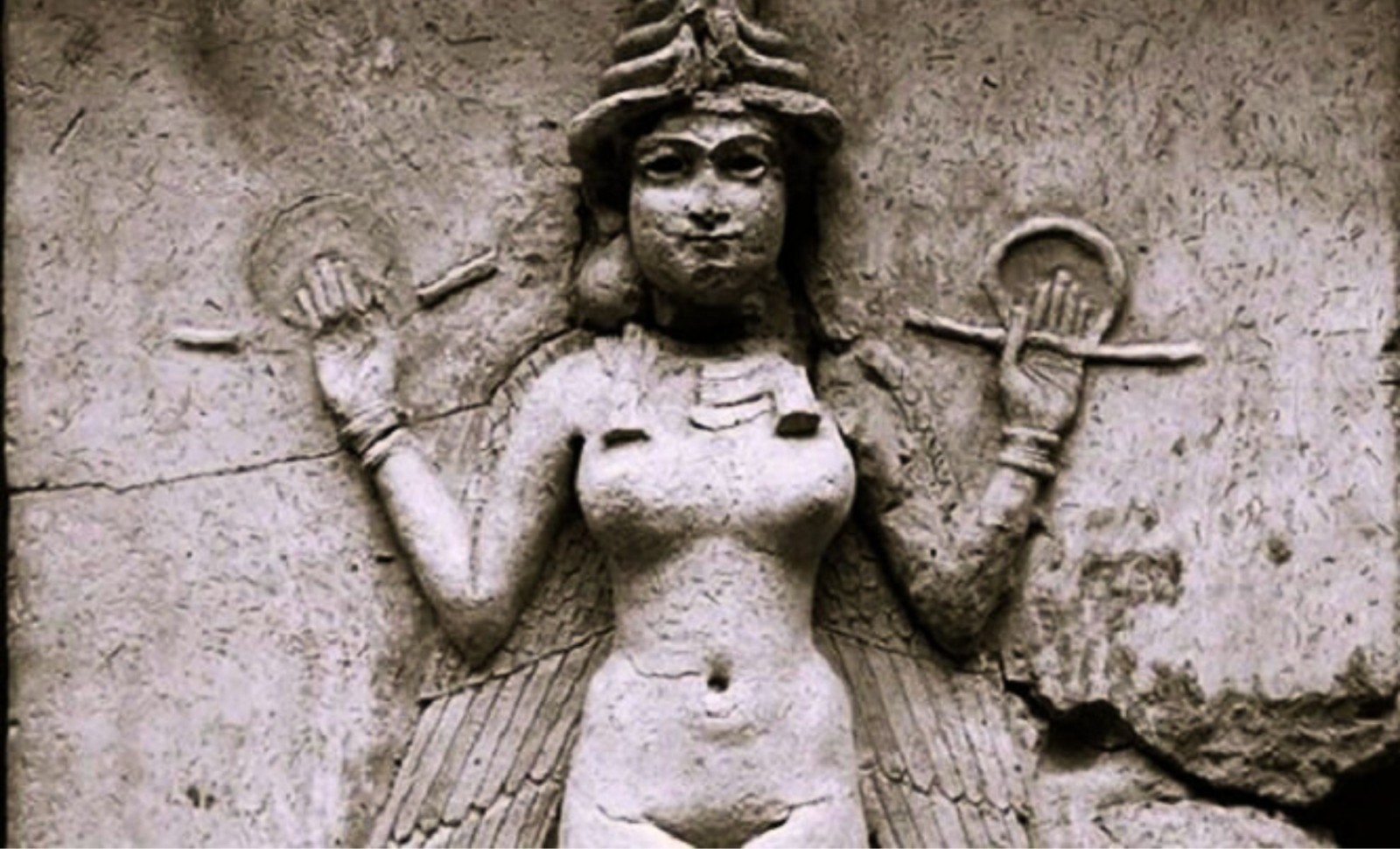
The storied Assyrian metropolis of Nimrud has unveiled a remarkable find. Beneath the damage of recent conflicts, archaeologists have uncovered what may be the most vivid surviving portrayal of Ishtar, the Mesopotamian deity linked to love and warfare, carved onto a star-shaped stone shard found in the remains of her ancient temple.
Nearly ten years after ISIS forces ravaged Nimrud’s core archaeological zone—destroying temples, palaces, and ancient carvings—this new artifact not only provides rare physical proof of a revered goddess but also paves the way for the site's cultural revival.
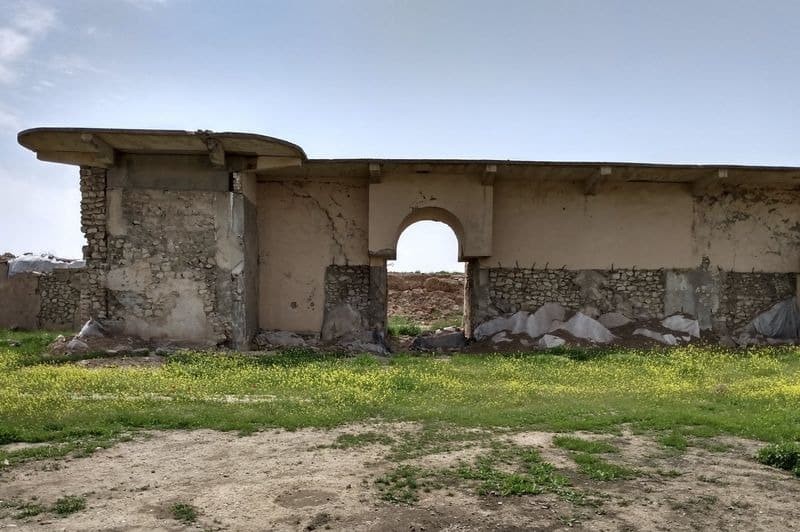
The multidisciplinary excavation team, combining expertise from the Iraqi State Board of Antiquities and Heritage and the University of Pennsylvania Museum of Archaeology and Anthropology, discovered this artifact during their recent efforts to rehabilitate and examine the site. The image of Ishtar, emerging from the ruins that ISIS sought to obliterate, holds tremendous archaeological and symbolic importance.

Reawakening Nimrud’s Legacy
Once the flourishing capital of Assyria under rulers including Ashurnasirpal II and Adad-Nirari III, Nimrud has captivated Mesopotamian scholars for over 170 years. Since initial 19th-century excavations, the site revealed grand architectural feats, early cuneiform inscriptions, and some of the most extraordinary stone reliefs from the ancient Near East.
In 2015, however, ISIS seized the area and launched a coordinated assault to annihilate its pre-Islamic heritage. The devastation—using bulldozers, explosive devices, and manual destruction—targeted Nimrud’s Northwest Palace, monumental lamassu sculptures, and sacred temples. UNESCO condemned these acts as both “a war crime” and “cultural cleansing.”
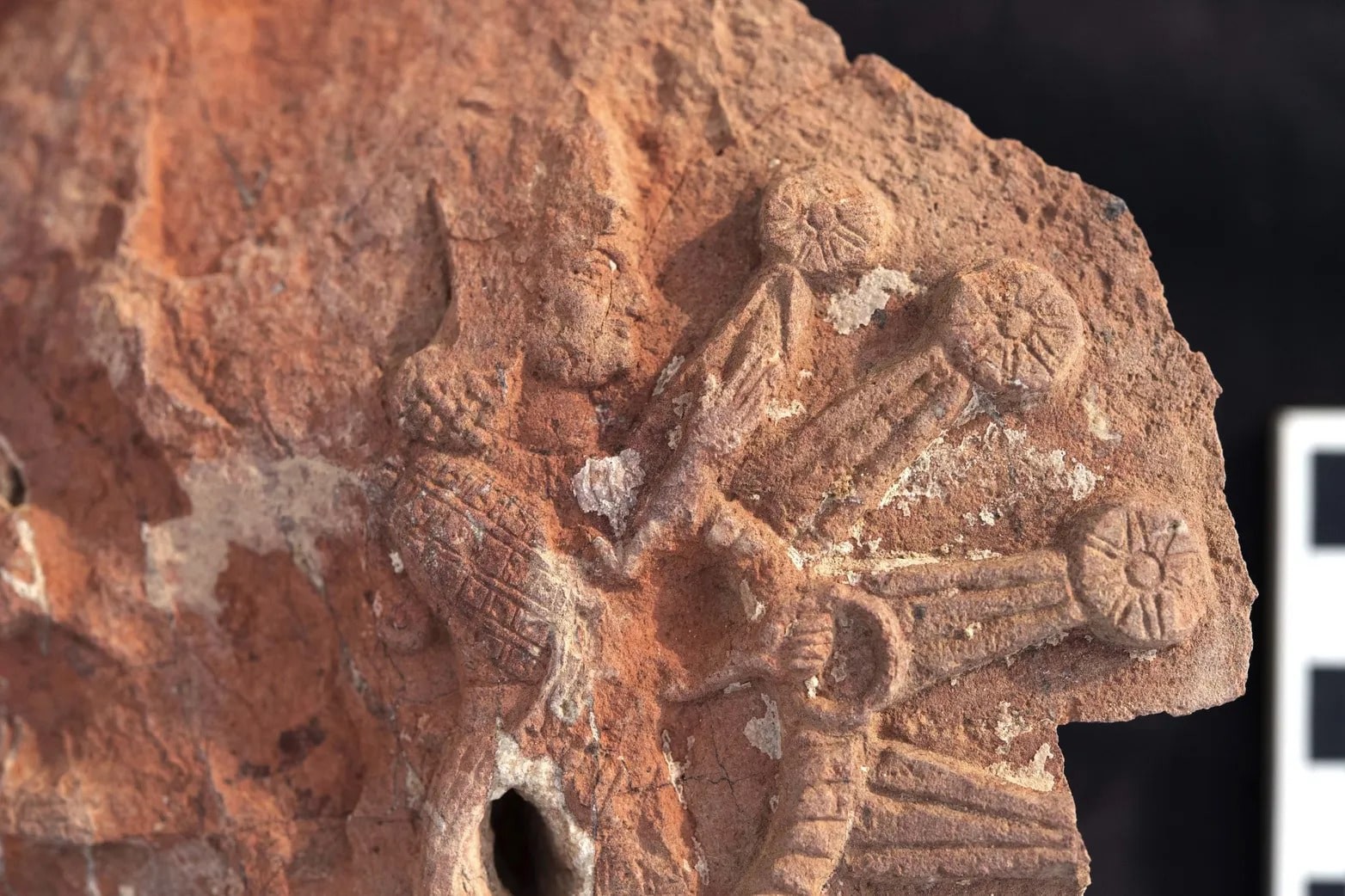
Following Iraqi military efforts to secure Nimrud, excavation teams resumed fieldwork in 2022, concentrating on the severely damaged Temple of Ishtar and the adjacent palace constructed by Adad-Nirari III (reigned 810–783 BCE). It was there, amidst the burnt remains, that they uncovered a stone stele shard featuring Ishtar encased in a distinctive starburst—the goddess’s iconic symbol.
“This represents the first definitive depiction of the goddess as Ishtar Sharrrat-niphi, a celestial form associated with Venus’s rising, the ‘morning star,’” explained Dr. Michael Danti, an archaeologist at the University of Pennsylvania, in a released statement by the University of Pennsylvania.
The illustration reinforces longstanding ties between Ishtar and the planet Venus, but this starburst-encased representation on a monumental stele is unprecedented at Nimrud.
Discovering Grandeur Among the Rubble
Excavations extended beyond the temple site to the palace of Adad-Nirari III, where traces of Neo-Assyrian luxury emerged amid the debris. Two massive stone column bases remain intact, indicating the grandeur of the palace’s former peristyle entrance.
Samples of ivory decorative fragments and ostrich eggshells were recovered, luxury materials brought in through extensive trade networks that reached across the Middle East and into Africa. According to the team, these remnants reflect the kingdom’s vast economic clout and refined artistic tastes during the early first millennium BCE.
Within the throne chamber, the discovery of a stone basin—likely paired with a mobile brazier—suggests sophisticated engineering for temperature regulation, an uncommon luxury in ancient elite architecture.
Though much of the structure lies in ruins, the palace’s layout and concentration of prestigious artifacts indicate a design intended for ceremonial grandeur and political authority.
Reviving Cultural Heritage Amid Destruction
The rediscovery of Ishtar’s image reflects a larger momentum in the restoration of Iraq’s cultural treasures. Efforts increasingly combine modern technology like photogrammetry and digital mapping with hands-on archaeology to document, protect, and revitalize endangered sites.
The Penn Museum Iraq Heritage Stabilization Program, led by Dr. Danti, has played a key role in training Iraqi specialists, removing explosive hazards, and securing fragile ruins. Their work at Nimrud complements broader initiatives throughout northern Iraq, dedicated to cultural renewal after years of conflict.
However, the reemergence of Ishtar carries emotional resonance beyond technical achievement. At a location that extremists attempted to erase, the goddess symbolizing both love and war reclaims her place—carved in stone, preserved through the ages, and now safeguarded by digital innovation.
- Categories:
- Science







0 comments
Sign in to Comment