
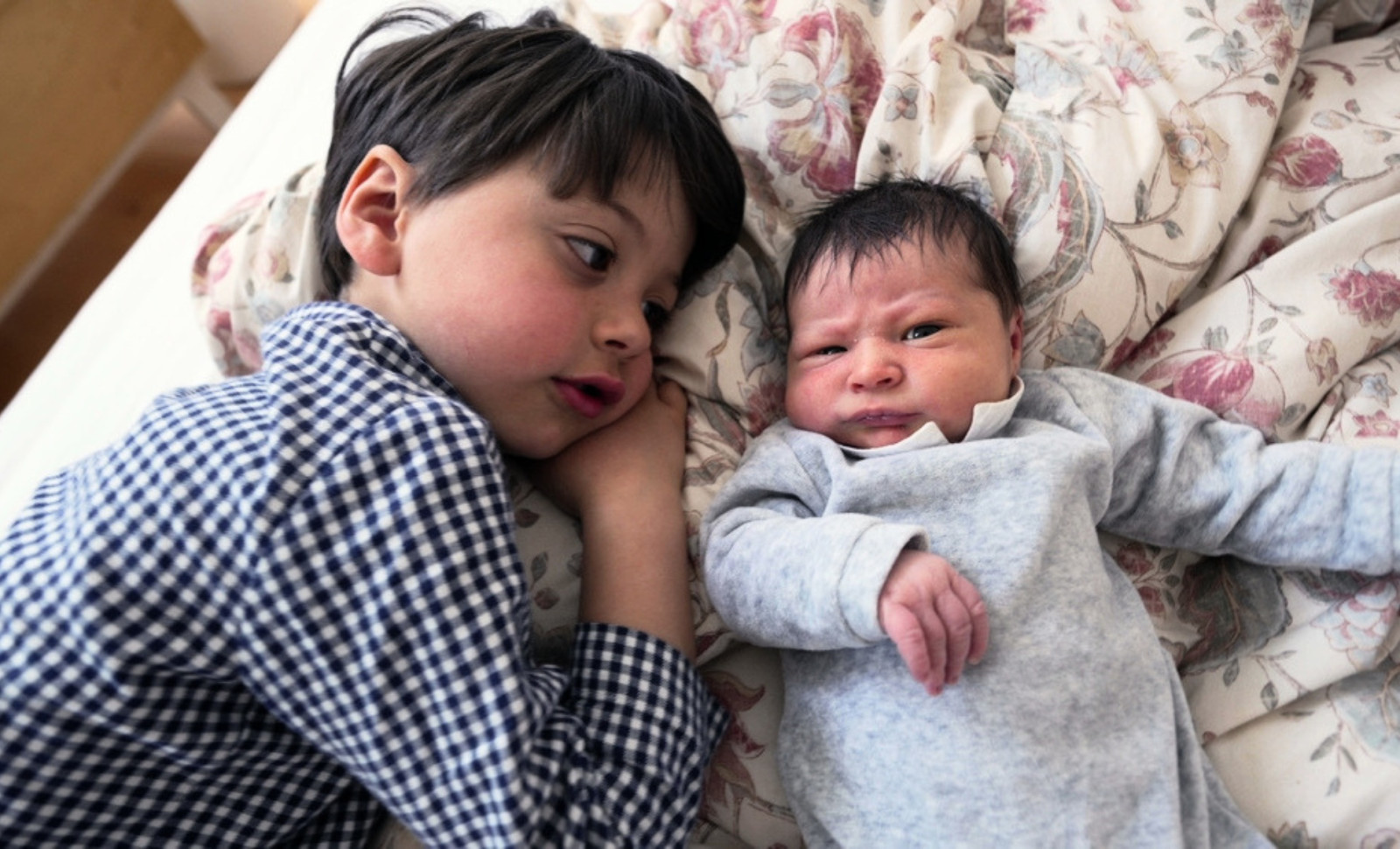
Growing up alongside brothers and sisters shapes children in profound ways, and recent research confirms that siblings play a key role in fostering empathy. A team from the University of Toronto and the University of Calgary demonstrated that siblings influence each other’s capacity for empathic concern over time, independent of parental effects.
Published in the journal Child Development, the study examined 452 families over an 18-month period. Researchers found that both older and younger siblings uniquely contribute to each other’s empathy growth. When one sibling shows strong empathy—expressing care and concern for people in distress—the other sibling’s empathic skills improve, regardless of their birth order.
Methods for Assessing Empathy Among Siblings
Empathy is viewed in psychology as the ability to respond with care when others are upset. The researchers assessed this by observing children’s reactions when an adult pretended to be distressed, such as after breaking a favorite possession, injuring a knee, or accidentally pinching a finger. Children displaying genuine concern in these scenarios were considered to have high empathic ability.

The impact of siblings on empathy is largely due to the extensive time they spend together. Most kids grow up with siblings and typically interact with them more than with parents or friends. This ongoing contact offers constant chances to notice and react to each other's emotions.
For example, a younger sibling may observe an older brother comforting a friend, while an older sister might see her younger brother act tenderly toward a pet. These repeated interactions create what the researchers call a reciprocal influence model.
The research design allowed investigators to separate sibling influences from other factors like parenting styles, demographics, and sibling relationship quality, confirming that children’s empathy changes are attributable to their siblings’ influence.
Results indicated that supportive, empathetic siblings encourage similar behaviors in one another. Even siblings who initially have lower empathy levels show improvement over time when paired with a more empathic brother or sister.
Age Differences and Birth Order Affect Empathy Interactions
Age gaps play a role in how empathy evolves between siblings. The study involved siblings spaced up to four years apart and found that larger age differences magnify the influence of older siblings on younger ones. Older siblings act as stronger empathy models when the age gap widens. Interestingly, younger brothers did not significantly affect the empathy of older sisters, highlighting nuanced variations in sibling dynamics based on gender and age.
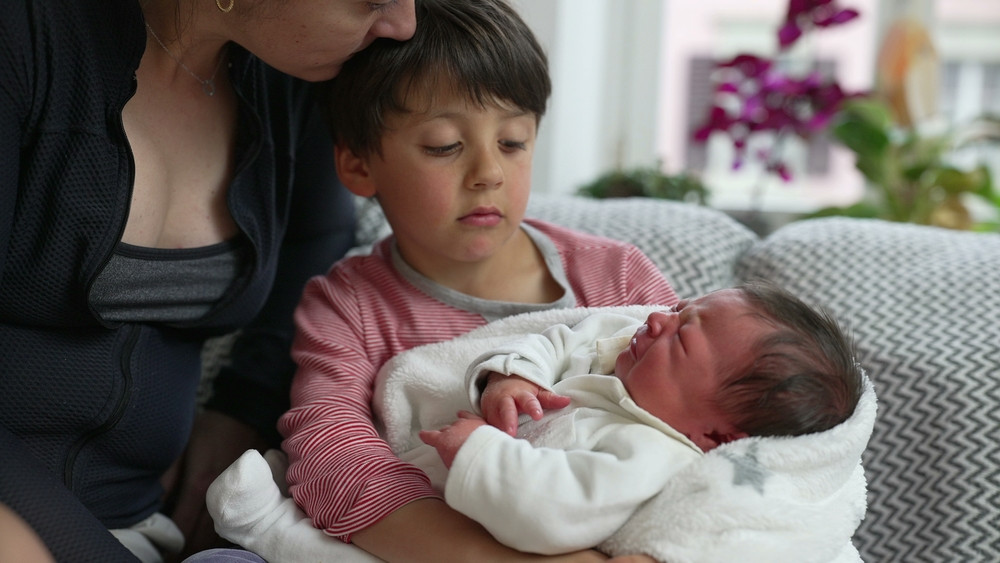
These insights challenge prevailing ideas that sibling relationships are dominated only by rivalry or competition. While those elements exist, an underlying positive process runs alongside daily disagreements. Through everyday family life, siblings learn to identify distress, offer support, and regulate emotional responses without needing formal teaching.
Broadening Perspectives on Social Development in Children
This research shifts the paradigm for developmental psychology, which has traditionally emphasized parents as primary drivers of children’s social growth. While parental influence remains crucial, sibling relationships emerge as important developmental forces themselves, fostering language skills and enhancing perspective-taking abilities.
For parents witnessing the frequent squabbles among siblings, this evidence offers reassurance. Although disputes over fairness and attention are common, these interactions also include vital emotional learning. Allowing siblings to engage and care for each other appropriately supports a natural education in empathy and concern for others’ wellbeing.
- Categories:
- Science













0 comments
Sign in to Comment