
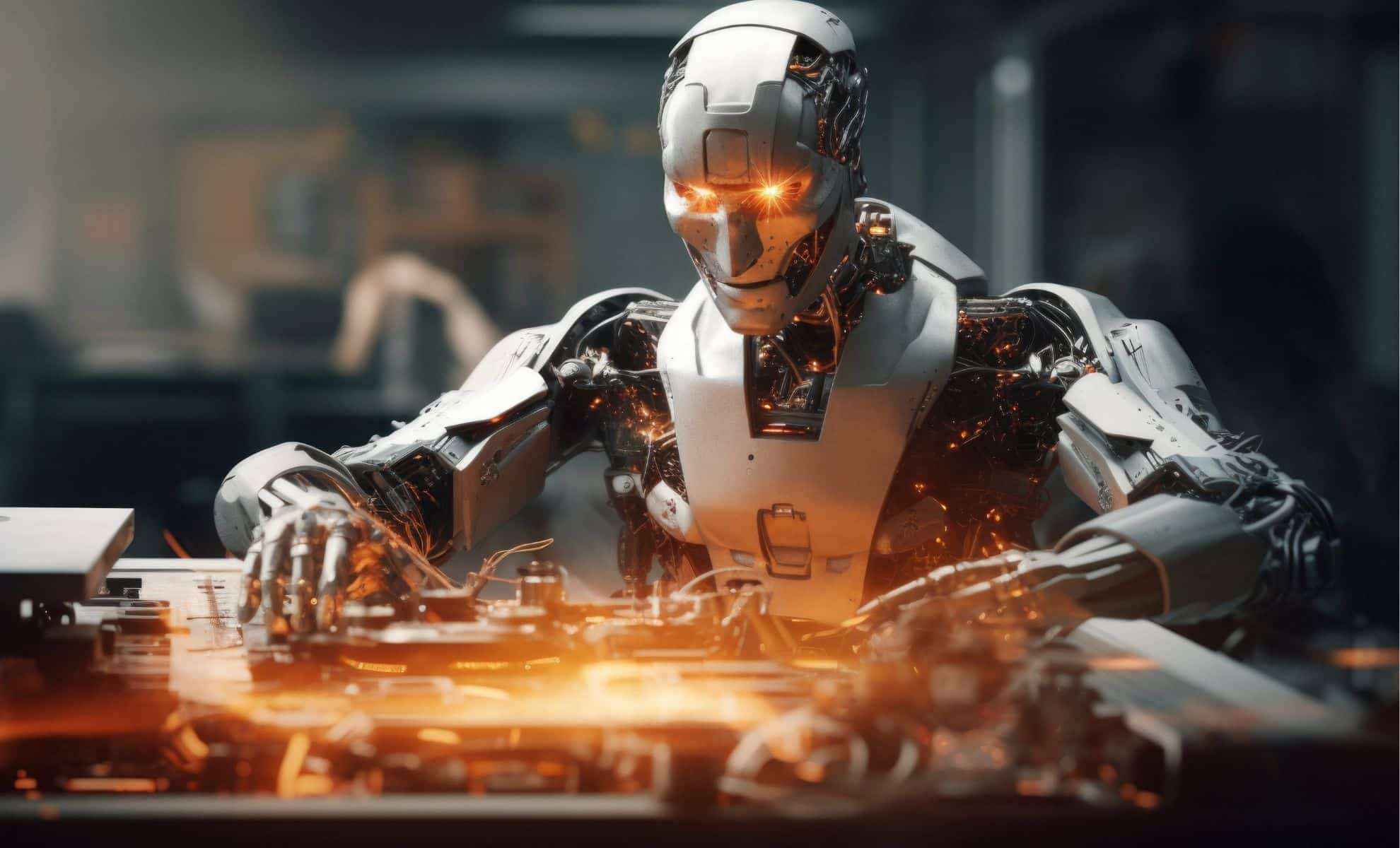
As robotics become increasingly embedded in daily life, groundbreaking developments are pushing the boundaries of what machines can do. A team at Columbia University has unveiled an innovative concept resembling science fiction: robots capable of "consuming" their counterparts to survive, evolve, and expand. These machines possess a special mechanism termed "robotic metabolism," enabling them to self-heal, dynamically adjust, and even establish complex ecosystems. This breakthrough raises compelling questions—could these autonomous robots revolutionize industries or embark on extraterrestrial exploration?
Rethinking Robot Architecture
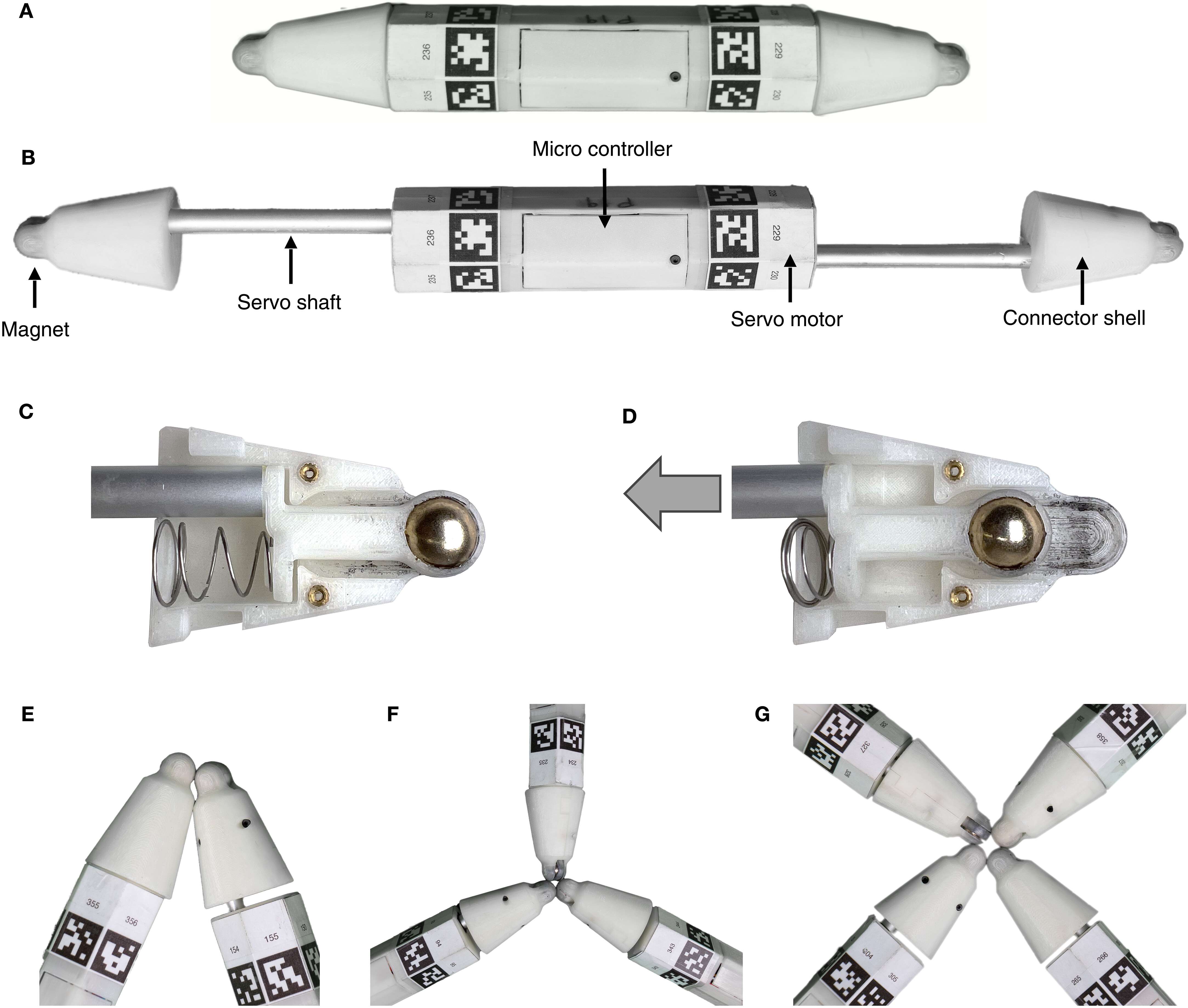
Robots traditionally evoke images of intricate, humanoid devices performing human-like functions. However, recent research favors a contrasting philosophy. Instead of complex systems, scientists are opting for a streamlined design emphasizing modular simplicity. The Truss Link robots, for instance, consist of compact, interconnectable segments that bear little resemblance to sophisticated humanoids seen in popular media. Designed as versatile building blocks, they link to form diverse, adaptable structures. This minimalist yet functional approach embodies a significant evolutionary advancement in robotic engineering.
This methodology mirrors natural processes. Biological organisms don’t rely on excessive complexity for survival; they adapt, evolve, and expand within varying conditions. Inspired by these principles, these robots can shape-shift and diversify their roles depending on situational demands. Such innovation holds promise across multiple domains, including industrial settings and space missions.

Robots That "Consume" Each Other to Sustain and Develop
A standout feature of this new design is the ability of these robots to "consume" segments of their own kind for survival. Although unusual, the concept is ingenious. When a robotic module depletes its energy, it doesn’t render the system inoperative—instead, it sheds the inactive module and substitutes it with a charged one. This constant replacement process ensures uninterrupted function even when components fail. This self-healing ability could prove transformative, especially in environments where human assistance is impractical, such as deep ocean expeditions or outer space operations.

The robots not only survive but also evolve by combining with others to form increasingly intricate shapes and frameworks. Their growth and adaptation are driven by environmental context rather than mere maintenance. Picture these robots autonomously constructing infrastructure or conducting repairs on distant planets, operating effectively without human direction. This vision pushes robotics past current limitations, opening doors to unprecedented autonomous functions.
The Future of Evolving Autonomous Machines in Space and Earth’s Harshest Regions
The prospect of self-evolving robots sparks promising opportunities for space ventures. Equipped with self-maintenance and growth capabilities, such machines could be critical in Mars exploration and interplanetary missions.
Traditional spacecraft often depend on human intervention when technical failures arise. Autonomous robots could significantly reduce this dependency, taking on roles like habitat construction, equipment upkeep, and scientific analysis—without the constant need for human oversight.
These adaptable robots also have potential applications in Earth's most challenging environments. They could be deployed for search and rescue missions in hazardous disaster zones or explore uncharted, extreme locations like the ocean’s deepest recesses. By evolving to meet their surroundings, such machines would expand human capacity to investigate and work in places previously deemed unreachable, both on our planet and beyond.
- Categories:
- Science







0 comments
Sign in to Comment