
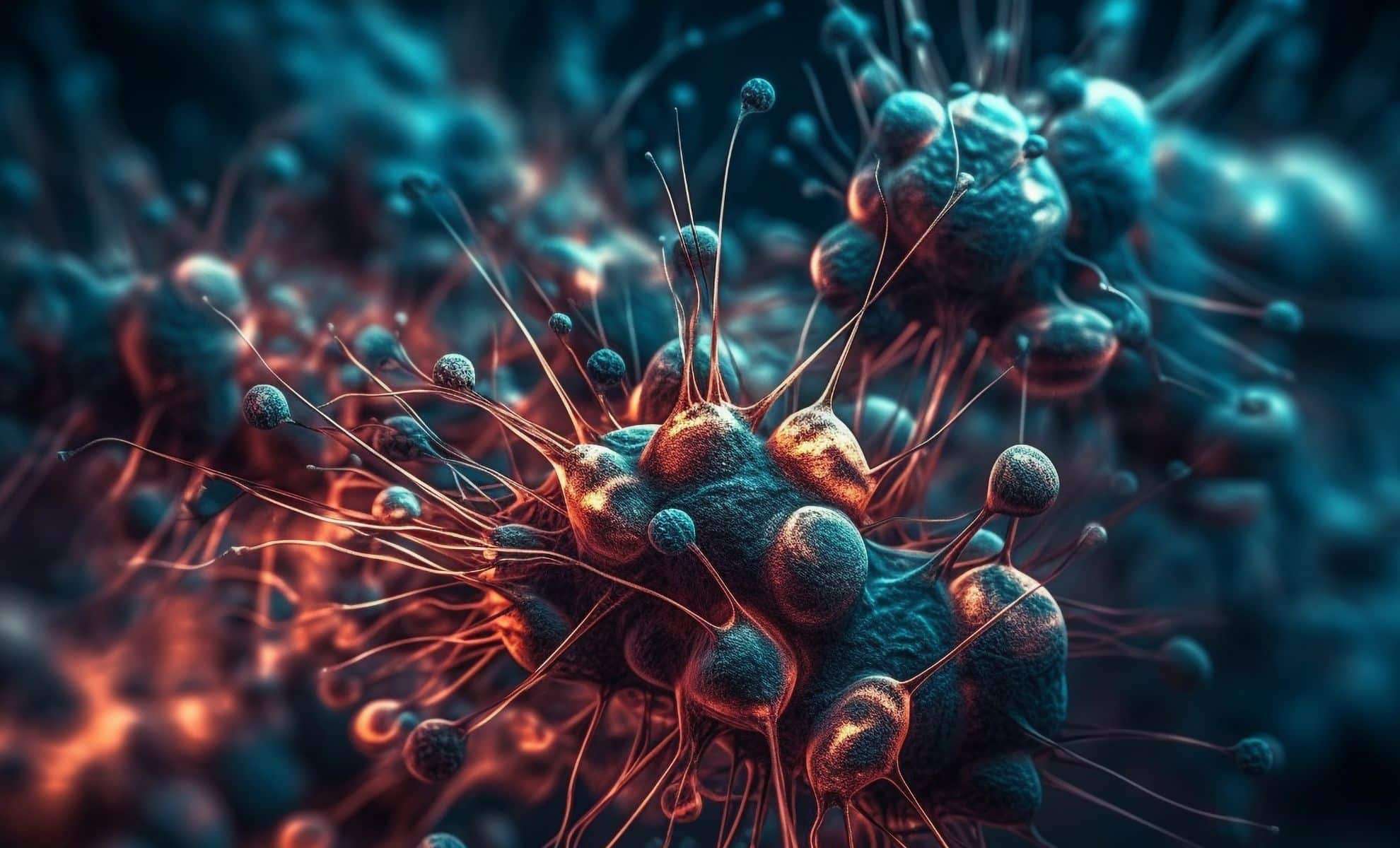
Researchers from South Korea have unveiled a breakthrough method that reverses cancer cell behavior, transforming malignant cells back into their normal tissue counterparts without destroying them. This innovative technique has been demonstrated on colorectal cancer cells, focusing on reprogramming rather than eradicating the disease.
Leading the discovery, Professor Kwang-Hyun Cho and his team at the Korea Advanced Institute of Science and Technology (KAIST) in Daejeon designed a system to steer cancer cells toward a healthy, differentiated state. This approach bypasses traditional chemotherapy or radiation by employing a computational model called a digital twin.
An Alternative Method for Cancer Treatment
Conventional cancer treatments typically aim to eliminate tumor cells, which often harms surrounding healthy tissue and causes severe side effects. The new method, detailed in the journal Advanced Science, avoids destroying cancer cells. Instead, it uses detailed gene regulatory network models within individual cells to identify critical genetic regulators that control cellular functions.

The essence of this technique, known as cancer reversion, is to manipulate these regulators to shift cancer cells from a rapidly dividing, immature state back to one resembling healthy tissue. The study highlights the combined knockdown of three key genes—MYB, HDAC2, and FOXA2—which strongly encourages cells to differentiate into normal-like forms.
Harnessing Digital Twins and Boolean Networks
At the core of this research lies the innovative computational system called BENEIN (Boolean Network Inference and Control). It integrates single-cell RNA sequencing data from both healthy and cancerous colon tissues to reconstruct a gene regulatory network based on logical interactions. This network reveals key molecular switches that determine whether cells become cancerous or maintain normal function.
By analyzing expression data from 4,252 intestinal cells, BENEIN mapped a network of 522 genes and pinpointed that suppressing MYB, HDAC2, and FOXA2 redirected cancer cells toward gene expression profiles typical of normal cells. These predictions were validated through experiments on colorectal cancer cell cultures and in mouse models.
Across all experimental platforms, cancer cells subjected to the triple gene knockdown not only slowed their proliferation but also began to exhibit markers characteristic of healthy enterocytes, the intestinal cells responsible for nutrient uptake.
Experimental Validation in Cells and Animal Models
The team conducted multiple trials using three human colorectal cancer cell lines—HCT-116, HT-29, and CACO-2—confirming that the simultaneous suppression of the three genes significantly inhibited growth more effectively than targeting any one gene alone. Moreover, when these modified cancer cells were implanted into immunodeficient mice, tumor development was drastically diminished in both volume and weight compared to untreated controls.
Comparisons between gene expression in treated cells and data from The Cancer Genome Atlas revealed that the reprogrammed cells shared near-identical transcriptional profiles with normal adjacent tissue. Healthy colonic proteins such as KRT20 and VDR were elevated, while cancer-related signaling pathways like MYC and WNT were notably suppressed.
Expanding Applications Beyond Colorectal Cancer
To explore broader applications, BENEIN was tested on other biological systems. During mouse hippocampus development, it successfully identified crucial regulators guiding granular neuron differentiation. It was also applied to T cell development and activation, outperforming existing analytical platforms such as SCENIC and VIPER in pinpointing key regulatory genes.
Despite ongoing challenges—including adapting the model for diverse tissue types and securing long-term cellular stability after reversion—this discovery represents a transformative move away from standard cancer treatments. The authors suggest that harnessing these genetic control mechanisms in clinical settings could dramatically reshape future cancer therapy.
The comprehensive findings are presented in the paper Control of Cellular Differentiation Trajectories for Cancer Reversion, published December 11, 2024, in Advanced Science.
- Categories:
- Science








0 comments
Sign in to Comment