
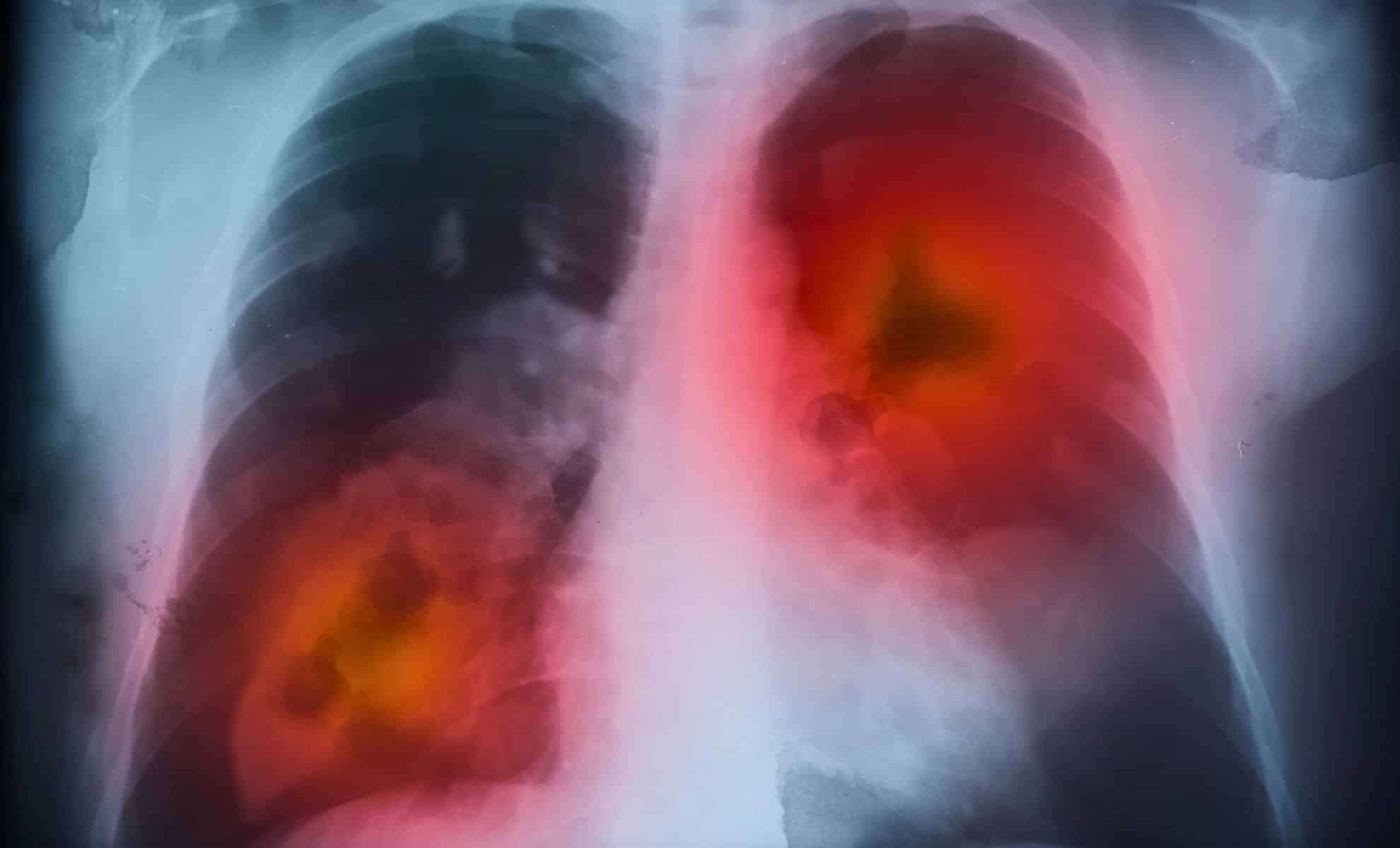
Recent investigations have revealed an unexpected link between dietary habits and the advancement of lung cancer, particularly a prevalent subtype called pulmonary adenocarcinoma (LUAD). While factors like smoking and environmental exposures are well-known contributors, this new research identifies a surprising dietary element that might promote lung tumor growth. The study highlights glycogen, a molecule commonly involved in energy storage, as a key player in exacerbating the disease.
Glycogen Buildup Within Lung Tumor Cells
Conducted by scientists from the Department of Biochemistry and Molecular Biology at the University of Florida, and published in Nature Metabolism, the research focused on glycogen, a glucose-storage molecule used as an energy reserve in the body.
The study found that glycogen accumulates substantially in lung tissues from LUAD patients, with elevated levels correlating to more rapid tumor expansion. Utilizing spatial metabolomics, a cutting-edge method for mapping molecules directly in tissue samples, the researchers explored the relationship between glycogen and lung cancer cell behavior.

Glycogen buildup seems to be a vital factor in LUAD progression, providing a crucial energy source that fuels tumor growth. Higher amounts of glycogen correspond to increased aggressiveness of the cancer, unveiling a new perspective beyond traditional environmental risk factors.
Impact of Western Dietary Patterns on Tumor Development
The study further examined the effects of the Western diet, characterized by high fat and sugar intake, on lung cancer progression. In experimental models, mice were fed diets rich in these components to simulate typical Western eating patterns.
Results revealed that mice with raised glycogen levels in their lung tissues experienced accelerated tumor growth compared to those with lower glycogen accumulation. This finding suggests that excessive sugars and fats in food may contribute to glycogen buildup, which in turn drives more aggressive LUAD progression.
These insights raise critical concerns about how certain diets might unintentionally nourish cancer cells, specifically in lung cancer cases. The increased presence of glycogen in cancerous lung tissue strengthens the link between dietary influences and disease advancement, highlighting the need to reassess diet as a factor in lung cancer risk.
Using Glycogen as a Diagnostic and Treatment Tool
Beyond its role in disease development, glycogen could serve as an important biomarker for tracking LUAD stages. Monitoring glycogen levels in lung tissues could help clinicians gauge tumor severity and predict growth rates, paving the way for tailored therapeutic strategies.
Furthermore, if glycogen serves as a valid marker, it might become a promising target for cancer treatments, offering opportunities to inhibit or slow tumor progression. Ongoing research aims to determine whether modulating glycogen levels in lung tissue can improve patient outcomes and treatment success.
Preventive Measures and Public Health Considerations
This research carries meaningful implications for lung cancer prevention strategies. Drawing parallels with successful anti-smoking campaigns, promoting balanced and low-sugar diets could be vital in reducing cancer risks.
Public health programs may seek to raise awareness about the detrimental effects of diets high in fats and sugars on lung cancer development, encouraging more nutritious food choices as part of comprehensive cancer prevention efforts.
As knowledge about the interplay between diet and cancer deepens, future initiatives might prioritize dietary guidance alongside traditional prevention methods to combat lung cancer more effectively.
- Categories:
- Science












0 comments
Sign in to Comment