
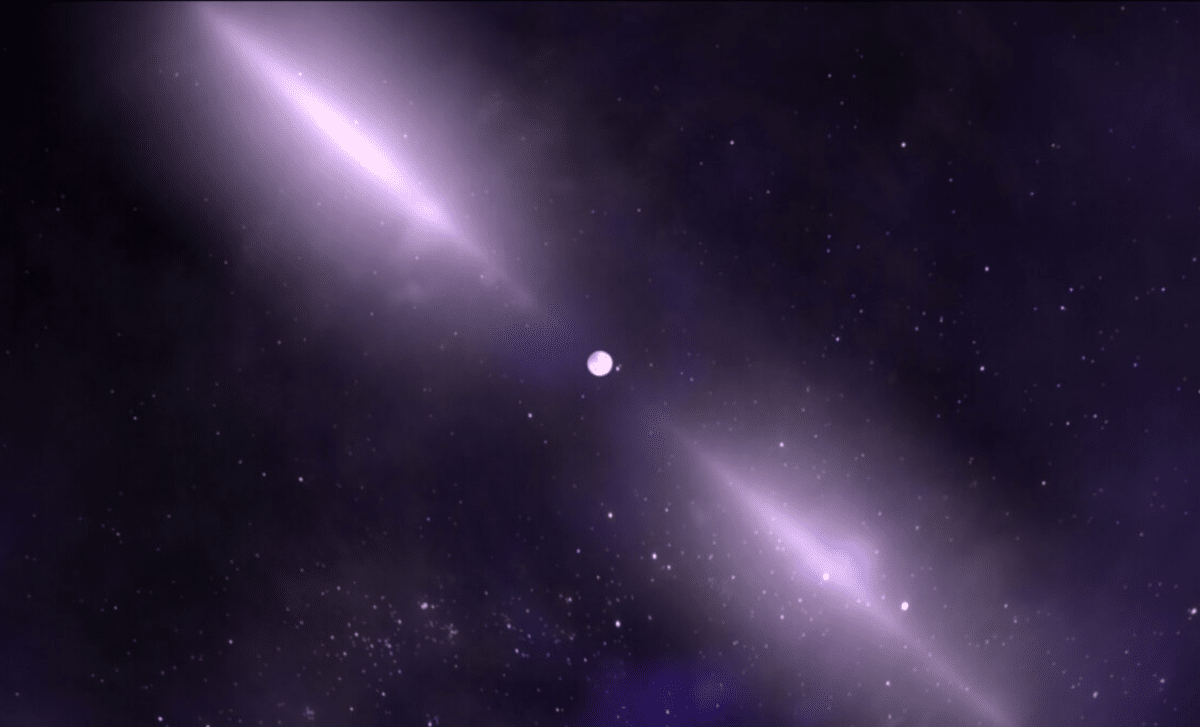
Scientists are refining innovative techniques to detect potential extraterrestrial artifacts lurking within our solar system. Recent peer-reviewed articles in The Publications of the Astronomy Society of the Pacific, Monthly Notices of the Royal Astronomical Society, and Scientific Reports mark a move toward systematic, evidence-based approaches to spotting technosignatures—physical signs of alien technology—while upholding scientific integrity.
Reframing a Persistent Scientific Inquiry
The concept that relics of advanced extraterrestrial civilizations could be found nearby has circulated on the fringes of astronomy for many years. Now, breakthroughs in observational tools and theoretical approaches are bringing increased focus. Adam Frank, astrophysics professor at the University of Rochester, highlights the longstanding foundation of this investigation.
“In the history of technosignatures, the possibility that there could be artifacts in the solar system has been around for a long time,” says Frank.
Add Cosmo Herald as a Preferred Source

Frank points out that this inquiry emerges not from isolated anomalies, but from a synthesis of evolving data, advanced technology, and theoretical understanding.
“We’ve been thinking about this for decades. We’ve been waiting for this to happen,” he continues. “But being responsible scientists means holding to the highest standards of evidence and also not crying wolf.”
Currently, researchers are concentrating on establishing clear criteria for evidence and distinguishing unfamiliar natural phenomena from objects of possible artificial origin.
Reexamining Pre-Satellite Era Astronomical Data
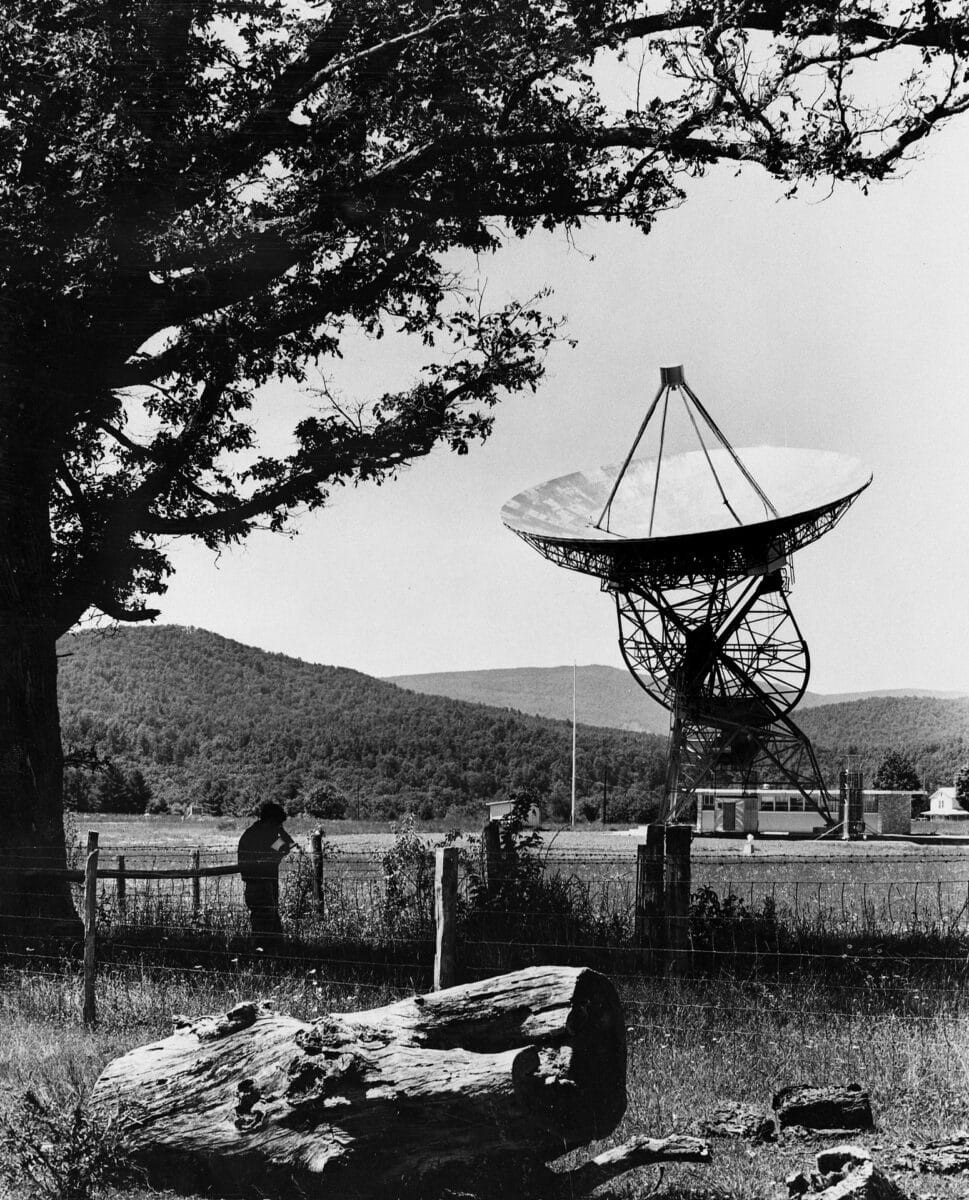
An unconventional method involves delving into celestial observations from before humanity launched satellites. Beatriz Villarroel, assistant professor at the Nordic Institute for Theoretical Physics, spearheads initiatives that scrutinize archival sky images predating 1957. Originally aimed at tracking vanishing stars, these archives unexpectedly revealed transient objects resembling satellites long before the space age began.
“That’s when I realized this is actually a fantastic archive, not for searching for vanishing stars, but for looking for artifacts,” Villarroel explains.
Published in the The Publications of the Astronomy Society of the Pacific, these findings have sparked critical evaluation by experts. Alternative interpretations span instrumental glitches, atmospheric conditions, or secretive human-made objects, underscoring the topic’s delicate position within science.
“There’s so much taboo that nobody’s ever going to take such results seriously until you bring down such a probe,” she adds.
This debate illustrates where astronomy overlaps with social perspectives and cautious scientific judgment.
Interstellar Visitors Offer Unique Insights
Objects from beyond our solar system passing through provide rare natural laboratories to study matter formed around other stars. Articles in the Monthly Notices of the Royal Astronomical Society describe methods to assess if unusual paths, surface features, or reflections suggest an artificial origin. Notable cases like 1I/‘Oumuamua, 2I/Borisov, and 3I/ATLAS serve as benchmarks to refine detection techniques.
Scientists emphasize that most anomalous observations likely have natural causes. The priority is classification over confirmation to maintain objectivity.
Establishing Rigorous Benchmarks for Artifact Detection
Concurrently, research published in Scientific Reports compiles decades of SETA data into systematic evaluation criteria. These frameworks specify standards related to material makeup, motion, energy signatures, and environmental context, enabling scientists to differentiate genuine anomalies from mere statistical variations. This approach parallels the standardized methods used in exoplanet discovery.
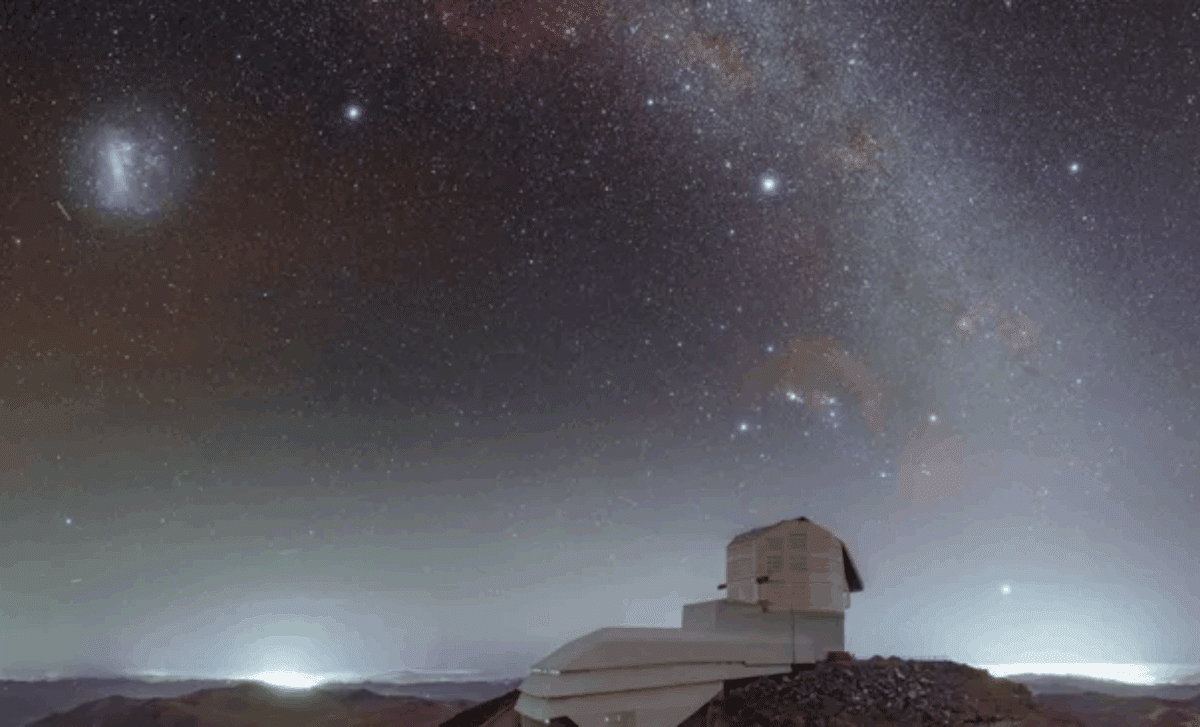
Forthcoming observatories, including the Vera C. Rubin Observatory, are predicted to dramatically increase detections of transient and interstellar phenomena, necessitating automated systems to prioritize promising candidates for detailed study.
Advancing Preparedness While Remaining Skeptical
The quest to uncover alien artifacts now balances observational science, theoretical modeling, and policy considerations. Scientists are also addressing the potential ethical, legal, and societal consequences should a credible anomaly be identified. Although no confirmed extraterrestrial artifact has emerged, the community is converging on rigorous methodologies to explore such possibilities responsibly.
This progression signifies a shift from speculative storytelling toward a framework firmly rooted in empirical evidence, critical discussion, and methodological discipline.
- Categories:
- Extraterrestrial life







0 comments
Sign in to Comment