
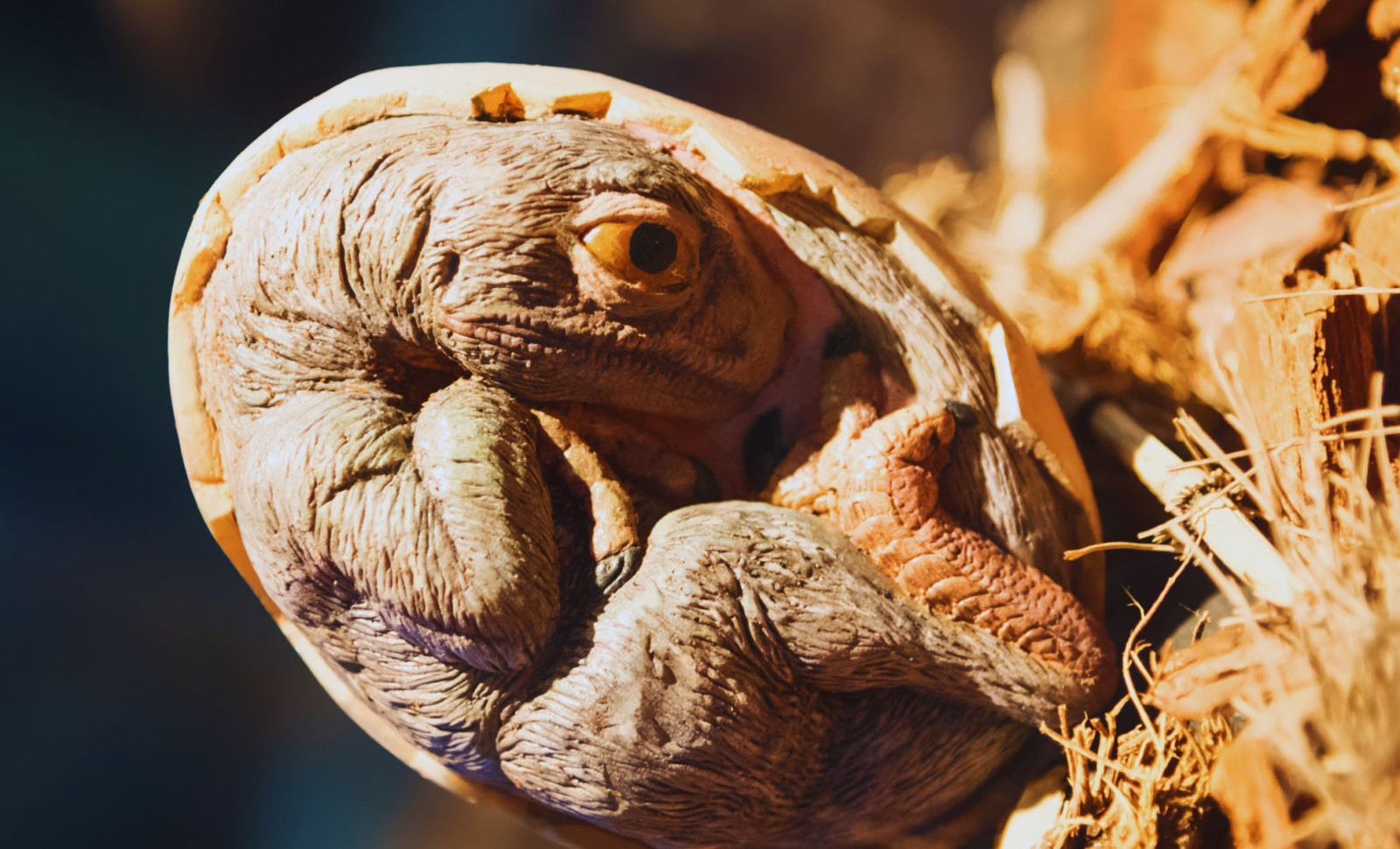
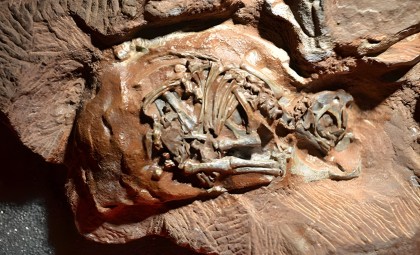
A collaborative group of paleontologists has identified the oldest fossilized reptile embryos ever found, dating back nearly 280 million years. These exceptionally preserved embryos of mesosaur, a primitive aquatic reptile, were located in regions of Brazil and Uruguay. Their presence hints that mesosaurs might have given birth to live offspring, potentially revising the timeline for the emergence of viviparity by approximately 60 million years.
The findings, detailed in a recent paper in Historical Biology, shed new light on the reproductive evolution of early reptiles, challenging the previous assumption that live birth developed much later within the group.
Mesosaurs as Pioneers of Live Birth in Reptiles
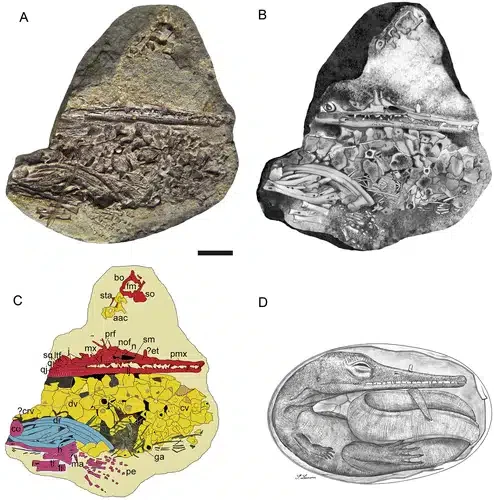
The discovery of mesosaur embryos offers compelling evidence that these prehistoric aquatic reptiles were among the earliest to bear live young. As reported in the study published in Historical Biology, one Brazilian specimen clearly indicates the embryo remained inside the mother’s body for most of its growth.

This revelation is groundbreaking because it suggests that the evolutionary development of viviparity in reptiles began significantly earlier than previously believed. Until now, the oldest known indications of live birth in reptiles were traced back to the Mesozoic era.
“These embryos provide the earliest direct evidence of reproductive biology in Paleozoic amniotes,” the authors wrote.
This new fossil record extends the origin of viviparity back to the Early Permian period, about 280 million years ago, implying mesosaurs could be among the first reptiles to retain and develop embryos within their bodies.
Evidence Highlights Diverse Reproductive Methods
Along with the embryos, the research team uncovered numerous adult and juvenile mesosaur fossils in Uruguay from the same timeframe as the Brazilian specimens. While many fossils support the theory that mesosaurs gave live birth, the overall picture is complex. Some fossils are disarticulated, complicating interpretations, but several are interpreted as embryos still within the mother, endorsing the idea of viviparity in these ancient reptiles.
“The absence of a recognisable eggshell and the occurrence of a partially articulated, but well-preserved embryo within an adult individual suggest that mesosaurs were viviparous or that they laid eggs in advanced stages of development,” explained the researchers.
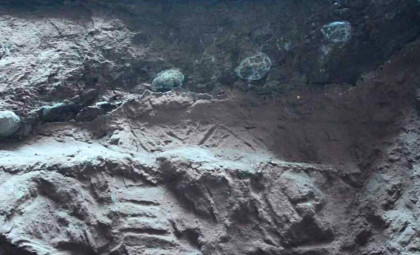
Adding to the intrigue, scientists discovered a mesosaur egg fossil in Uruguay with an advanced embryo inside. This finding complicates the narrative, suggesting that mesosaurs might have had a mixed reproductive approach, combining live birth with eggs laid late in development.
Insights Into Early Reptilian Parental Behavior
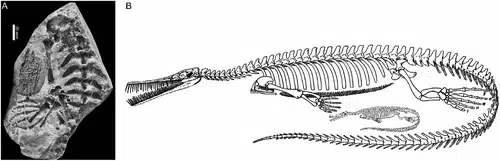
The study also proposes that some larger fossils discovered in Uruguay could be juvenile mesosaurs, possibly indicating parental care by adults. While direct proof of such behavior is lacking, the proximity of adult and young fossils points towards potential early forms of nurturing or protection.
If corroborated, these behaviors would add significant complexity to mesosaur reproductive patterns, indicating they might have offered care to their young during vulnerable stages. This would position mesosaurs among the earliest reptiles known to display parental care, a trait uncommon in present-day reptiles but observed in some modern species.
- Categories:
- Science




0 comments
Sign in to Comment