
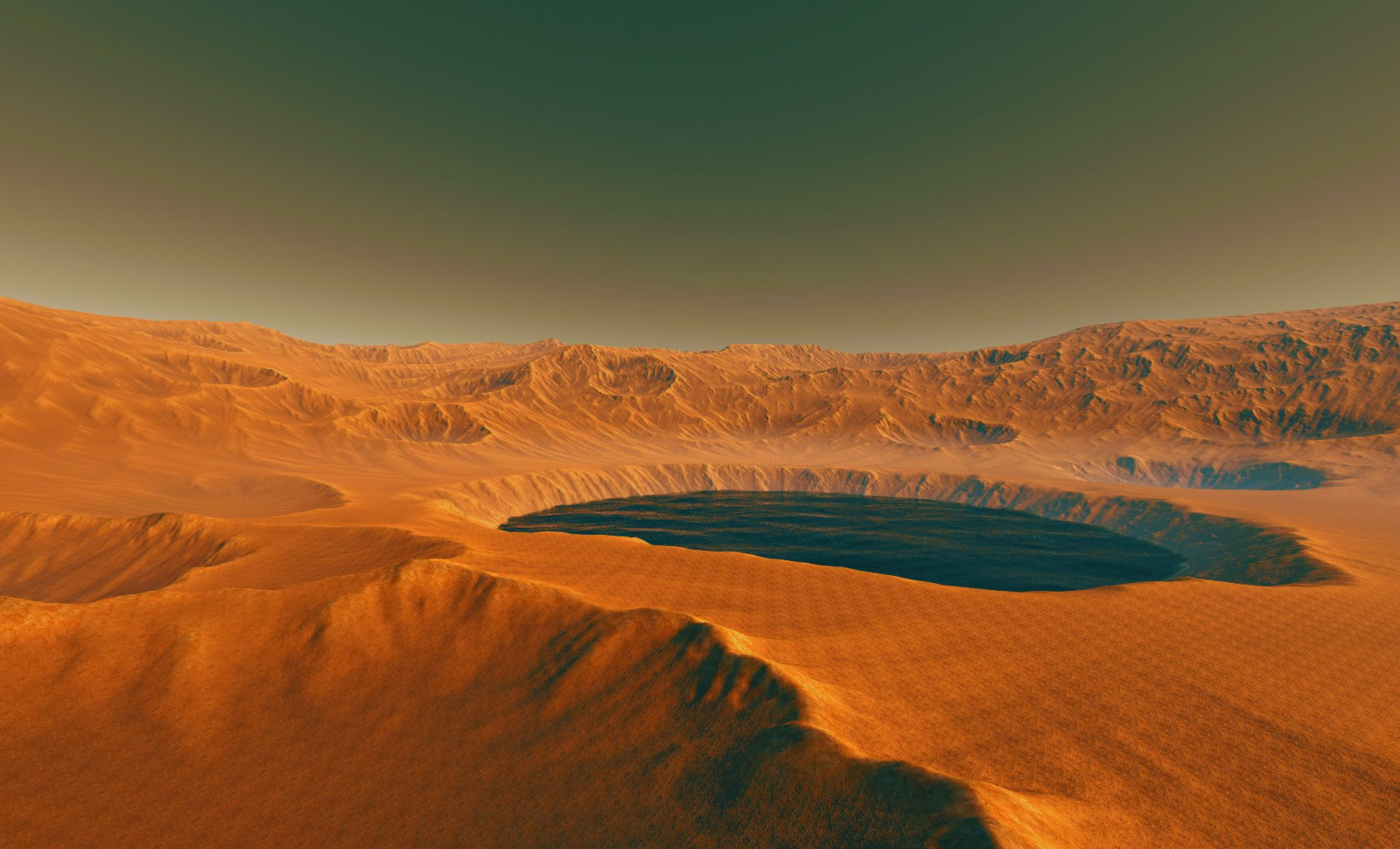
Researchers have applied state-of-the-art CT scanning to examine the renowned Martian meteorite NWA 7034, better known as Black Beauty. This innovative approach enables scientists to investigate the meteorite’s internal features without harming the specimen, potentially transforming the analysis of extraterrestrial materials.
Black Beauty is an exceptionally rare Martian rock, believed to have originated from a massive impact event on Mars approximately 4.48 billion years ago. Considered one of the oldest Martian samples available, it provides crucial insight into the early geological history of Mars. Traditional study methods required slicing or crushing meteorites, endangering their delicate structures. However, improvements in computed tomography (CT) have allowed for a nondestructive examination that could reshape planetary research.
Exploring Meteorites Without Damage Using CT Scanning
Previously, investigating meteorites typically involved physically altering the samples, such as cutting or dissolving, to determine their mineral composition. While effective, these techniques risked damaging valuable specimens. Estrid Naver and her team at the Technical University of Denmark have demonstrated that computed tomography (CT) can reveal the interior structures without compromising the meteorite.

The study, detailed on arXiv, utilized two complementary CT methods: X-ray CT, known for detecting dense elements like iron and titanium, and Neutron CT, which effectively highlights hydrogen — a key marker for water presence. Combining these imaging techniques gave the team unprecedented insights into Black Beauty’s detailed composition, uncovering new layers about its structure and hydration.
“There have been hints of a third planetary water reservoir in previous studies of Martian meteorites, but our new data require the existence of a water or ice reservoir that also appears to have exchanged with a diverse set of Martian samples,” stated Tomohiro Usui from the Tokyo Institute of Technology in Japan, in a NASA’s statement.
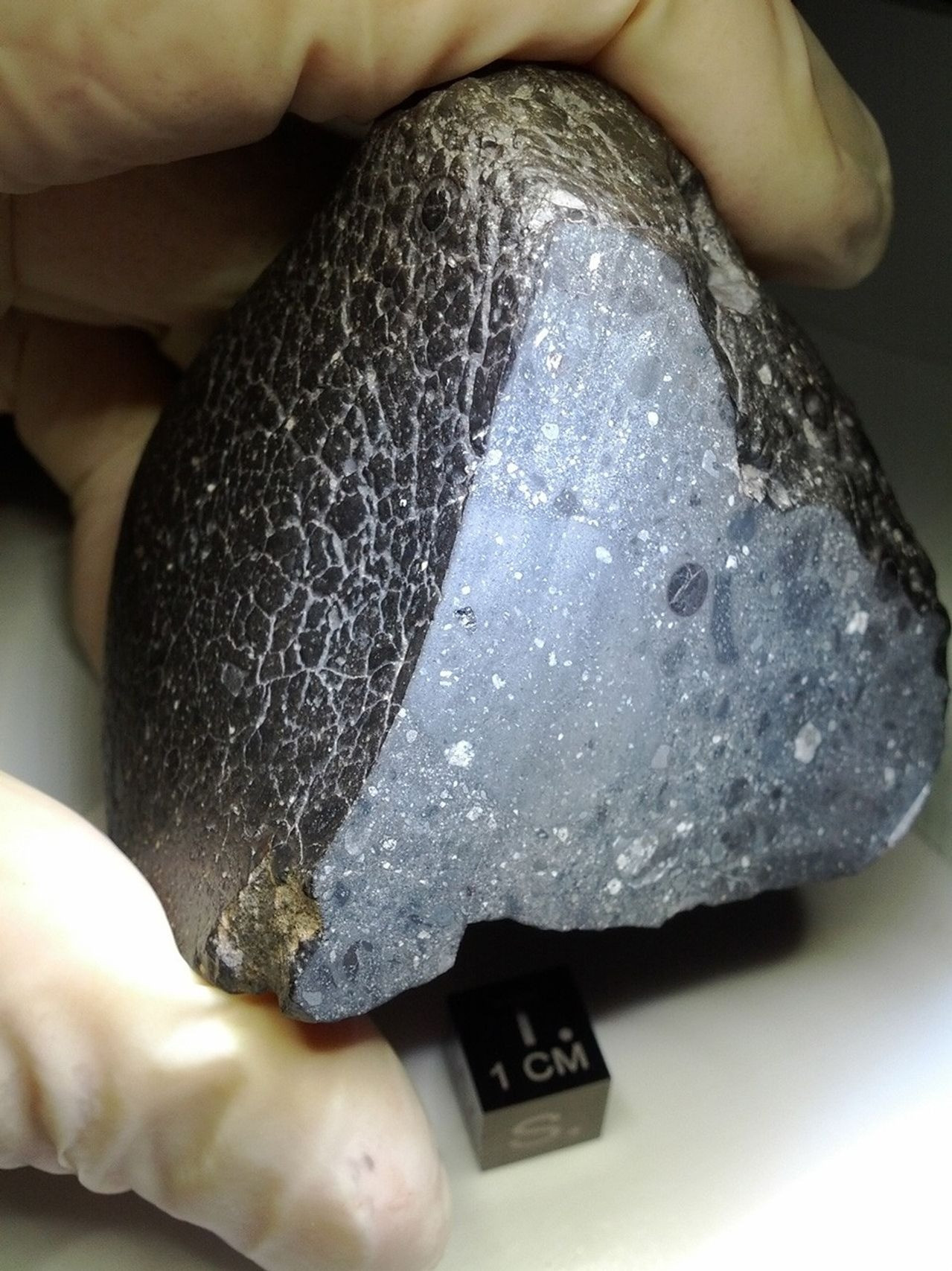
Discovery of Hydrogen-Rich Clasts in Martian Rock
CT imaging uncovered numerous rock fragments, known as "clasts," embedded in the meteorite—a typical characteristic given its violent Martian impact origin. Particularly noteworthy was the identification of clasts rich in hydrogen, specifically Hydrogen-rich Iron oxyhydroxide (H-Fe-ox). Although these comprise roughly 0.4% of the meteorite’s volume, they represent nearly 11% of its total water content.
This discovery supports growing evidence that Mars once harbored far more abundant water than observed today. The hydrogen-rich clasts in Black Beauty complement similar water-related discoveries in other Martian samples, such as those gathered by NASA’s Perseverance rover in the Jezero crater region.
Unlocking Mars’ Subsurface Secrets
The success of employing nondestructive CT scanning on Black Beauty paves the way for more detailed investigations into Martian meteorites and other alien materials. This advanced technique is particularly promising for upcoming Mars Sample Return missions, which plan to deliver Martian rock and soil back to Earth for in-depth study. Although these missions face delays, CT technology is expected to become a crucial tool for examining the samples upon arrival.
Meanwhile, scientists continue applying CT scanning to additional Martian meteorites, gaining rare insights without damaging precious specimens. Naver and her team remain hopeful that continued use of this technology will lead to even more groundbreaking revelations about the Red Planet.
- Categories:
- Astronomy









0 comments
Sign in to Comment