
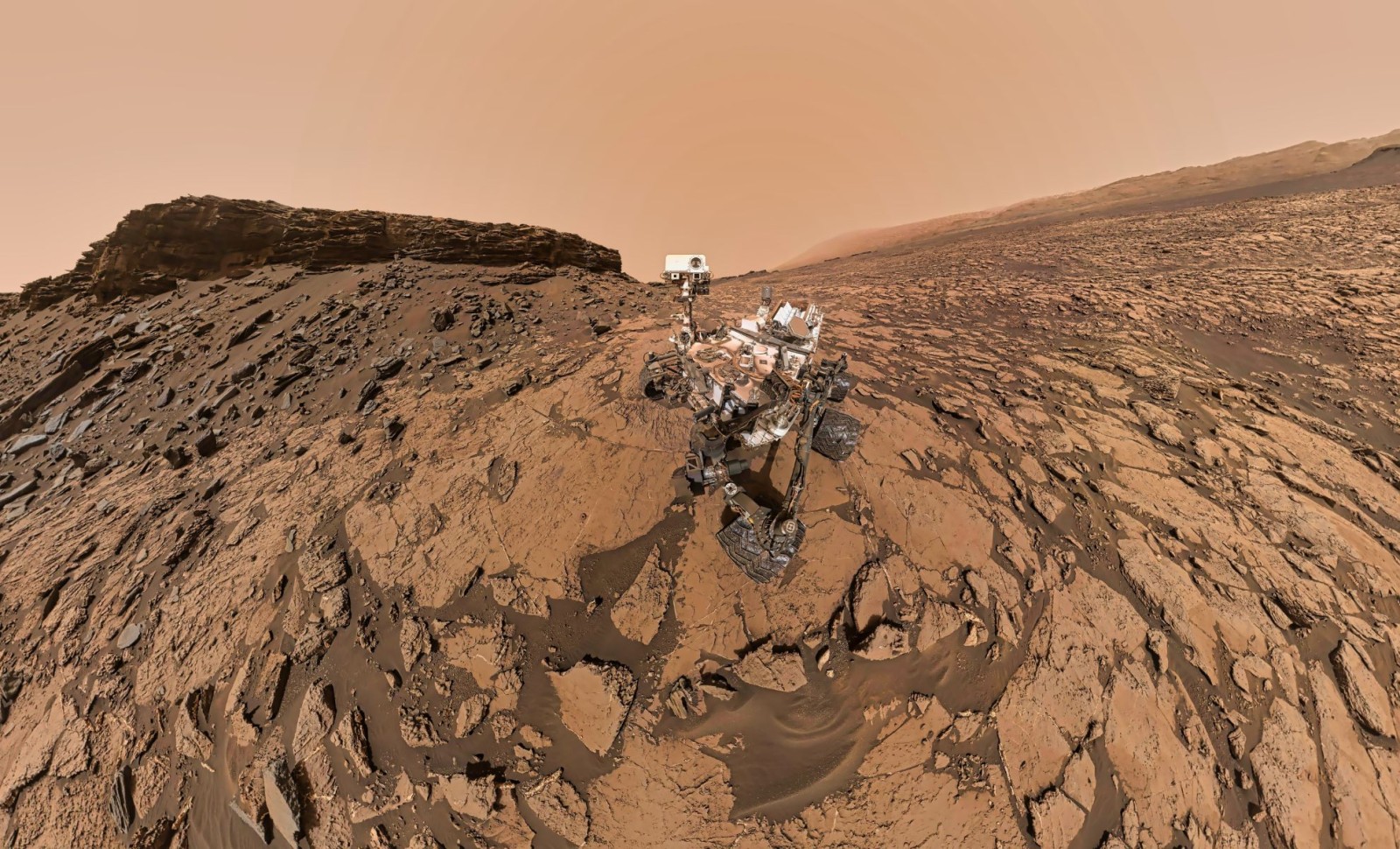
NASA’s Perseverance rover has uncovered a remarkable find on the Martian surface: a meteorite that could shed light on the planet’s history and its interactions with celestial objects. Since its arrival in February 2021, this rover has been tasked with uncovering evidence of ancient life on Mars.
Located in the Jezero Crater, this is the first meteorite identified by Perseverance. The discovery offers scientists an opportunity to deepen their understanding of Mars’s geological past and the preservation of extraterrestrial materials on its surface.
Phippsaksla: An Unusual Space Rock
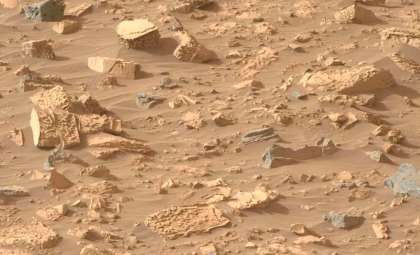
During exploration of the Jezero Crater, Perseverance detected a rock that appeared distinct from nearby formations. The object, named Phippsaksla, showed unique features prompting detailed investigations by the rover’s team. NASA reports that Perseverance employed its SuperCam instrument to analyze the rock’s composition, discovering it contained noteworthy concentrations of iron and nickel.

“This element combination is usually associated with iron-nickel meteorites formed in the core of large asteroids, suggesting that this rock formed elsewhere in the solar system.”
This meteorite holds great scientific importance. Specimens like Phippsaksla enable researchers to investigate the impact history of Mars and explore the types of materials that existed in the early solar system. Additionally, because Mars lacks Earth’s thick atmosphere, meteorites tend to remain well-preserved on its surface for extended durations.
Insights from Meteorites: Unlocking Mars’ Secrets
According to the American Space Agency, many meteorites contain fragments dating back to before our solar system was formed, providing a window into conditions billions of years ago. These relics help scientists piece together the solar system’s formation and the early materials present at that time.
The Phippsaksla meteorite may also serve as a test case for understanding Mars’s interactions with incoming space debris. Iron-rich meteorites on Mars seem to withstand erosion better, and the intact state of such objects offers support to this idea. As the report states:
“Due to the exotic composition of this rock, more investigation by the team needs to be done to confirm its status as a meteorite. But if this rock is deemed to be a meteorite Perseverance can at long last add itself to the list of Mars rovers who have investigated the fragments of rocky visitors to Mars.”
Continuing Perseverance’s Exploration
Since touch down, Perseverance has actively gathered samples from the Jezero Crater, aiming to detect signs of early life. Analyzing meteorites contributes to the broader effort to reconstruct Mars’s environmental past, including its climate shifts and its habitability potential.
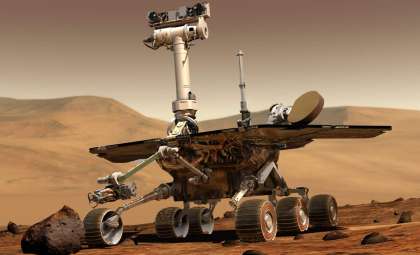
While Phippsaksla is a remarkable find, it isn’t the first meteorite uncovered by a rover on Mars. Earlier missions like Curiosity identified meteorites such as Cacao and Lebanon. However, Perseverance’s meteorite discovery is notable due to Jezero’s past as an ancient lakebed, which could provide additional perspectives on Mars’s capacity to shelter space-borne remnants like meteorites.
- Categories:
- Astronomy






0 comments
Sign in to Comment