
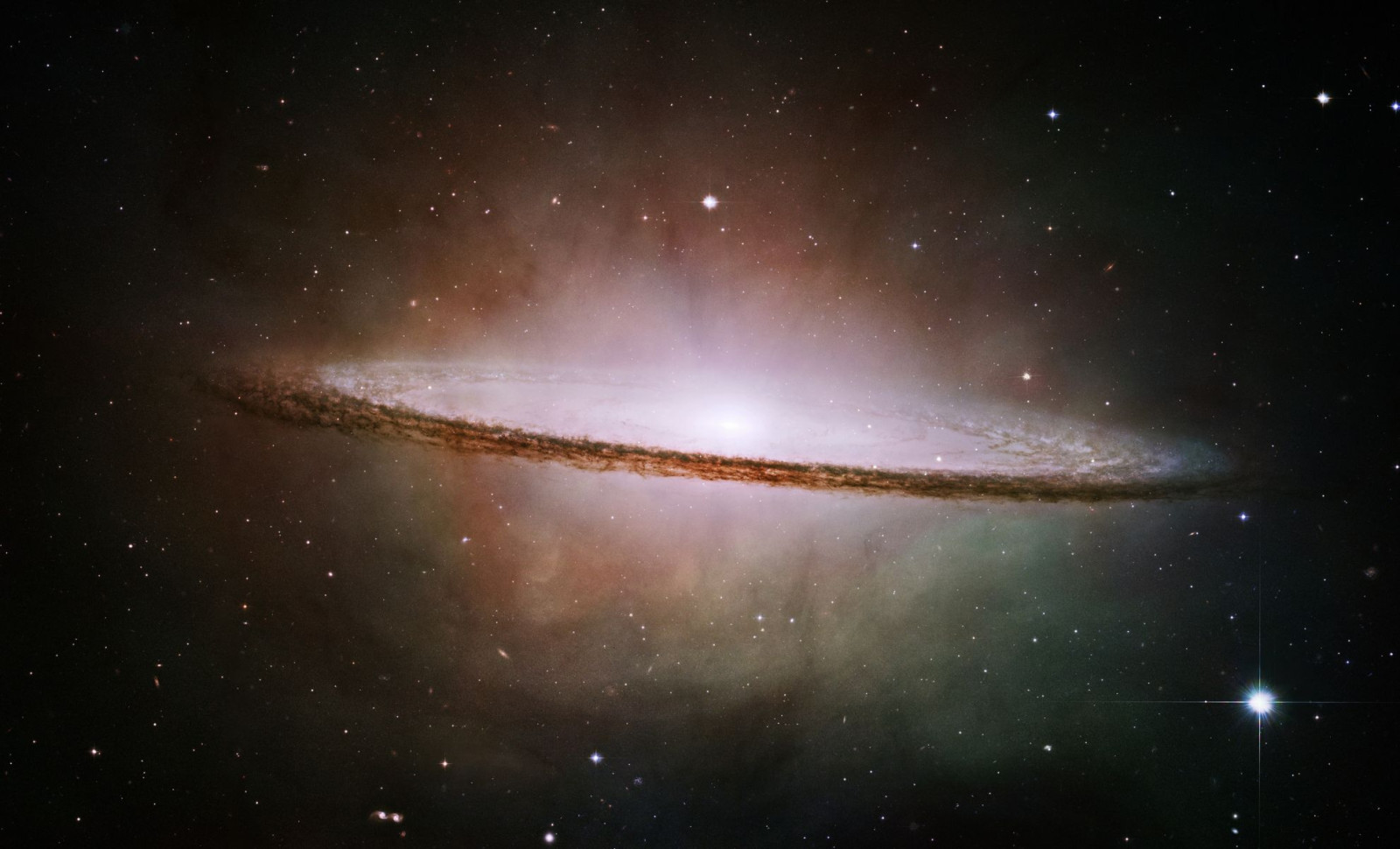
Scientists have produced the most comprehensive analysis yet of how dark energy influences the structure and growth of the cosmos, utilizing six years of deep astronomical observations. By leveraging data from the Dark Energy Survey (DES), they mapped the distribution of matter and tracked the universe’s expansion across billions of years, advancing understanding of the elusive force driving cosmic acceleration.
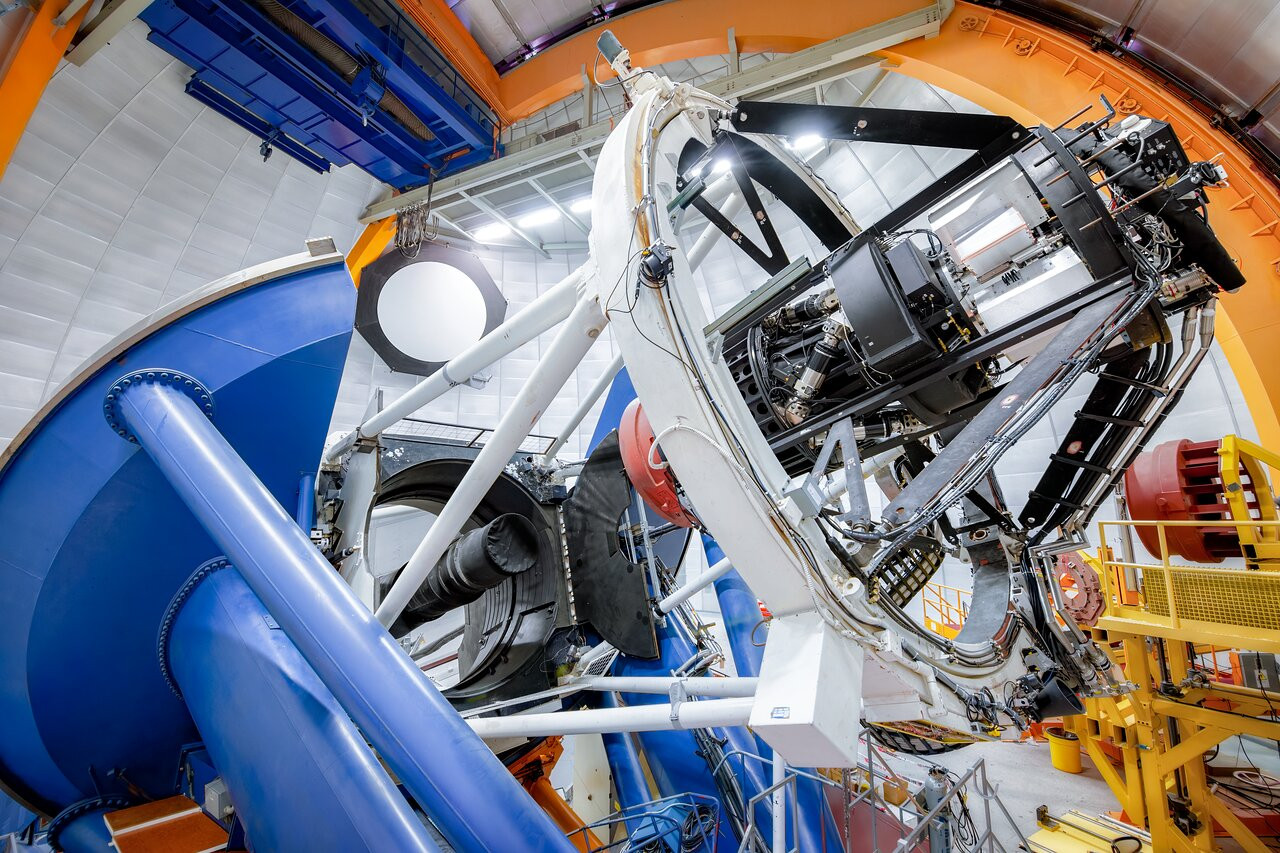
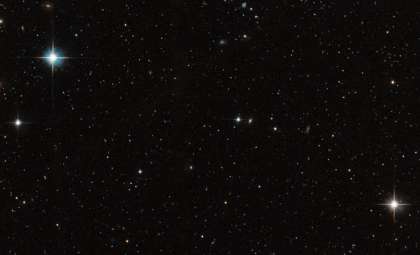
The dataset, obtained with the Dark Energy Camera (DECam) mounted on the Víctor M. Blanco 4-meter Telescope located in Chile, encompasses observations of 669 million galaxies over 758 nights, spanning from 2013 to 2019.
Dark energy, which constitutes about 68% of the total energy content of the universe, remains a mystery. The survey’s multifaceted approach and vast volume of data represent a major breakthrough in probing one of astrophysics’ most challenging enigmas.

Utilizing Four Complementary Cosmic Probes
The DES collaboration employed four principal techniques to examine dark energy’s influence. The first involved Type-Ia supernovae, which are bright stellar explosions critical for gauging cosmic distances. As detailed in a study available on arXiv, these supernovae were pivotal in the initial discovery of dark energy and continue as essential cosmic yardsticks.
The team also analyzed weak gravitational lensing, the slight bending of light from distant galaxies caused by massive foreground matter. According to statements by the DES scientists cited by NOIRLab in a press release, this effect is useful for mapping dark matter and its interplay with dark energy.
Additionally, the researchers studied how galaxies cluster in space and time and incorporated measurements of baryon acoustic oscillations, relic density waves from the early universe that serve as a cosmic ruler to refine distance measurements and cosmic evolution insights.
Discrepancy in Matter Clumping Patterns
The results are consistent with the Lambda Cold Dark Matter (ΛCDM) model, which assumes a constant dark energy density, as well as the wCDM framework, which allows dynamic evolution. Both models accurately predict the universe’s expansion trends.
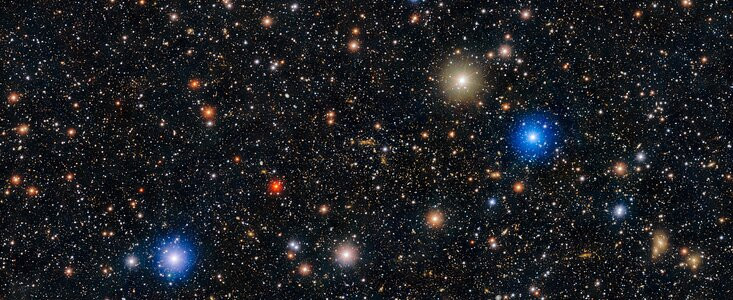
However, the observed extent of matter clustering in the present-day universe diverges from predictions by both frameworks. This emerging tension has become more evident with the latest observations, suggesting potential gaps between theory and actual cosmic structure.
“This was something I would have only dared to dream about when DES started collecting data,” said Yuanyuan Zhang, a DES researcher at NOIRLab, in a statement “And, now the dream has come true.”
While overall models align well with broad observations, the matter clustering discrepancy remains a puzzle and might signal undiscovered physics or necessitate refinements in current cosmological theories.
Next Frontier: Rubin Observatory’s Cosmic Survey
The DES findings will soon complement data from the Vera C. Rubin Observatory, which will carry out the Legacy Survey of Space and Time (LSST) over the upcoming decade. This ambitious initiative plans to chart 20 billion galaxies, vastly surpassing the scope of DES. As highlighted by Chris Davis, Program Director at the National Science Foundation:
“Rubin’s unprecedented survey of the southern sky will enable new tests of gravity and shed light on dark energy.”
The synergy between DES and Rubin datasets is expected to deepen insights and resolve outstanding questions left unanswered by existing models.
- Categories:
- Space




0 comments
Sign in to Comment