
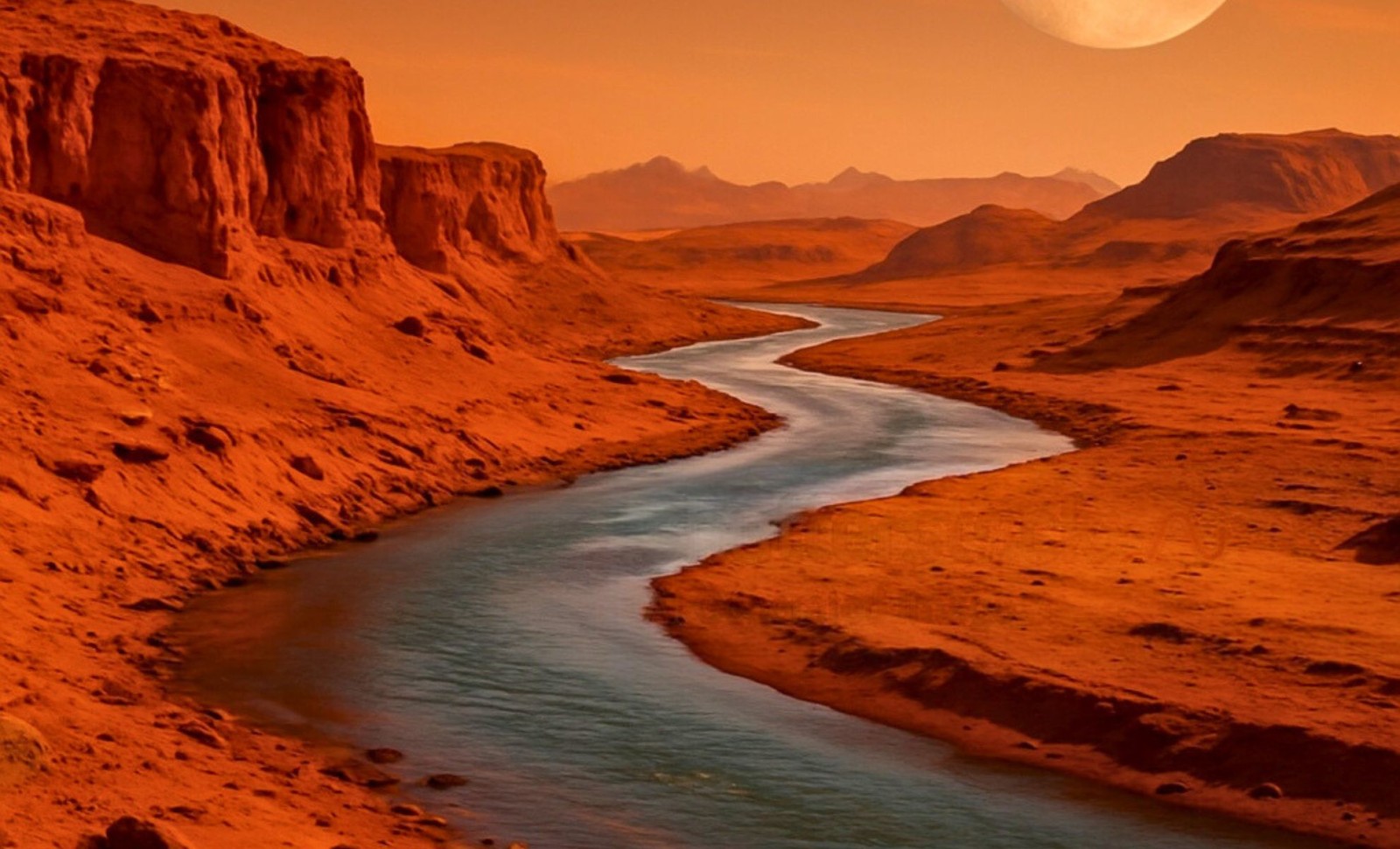
Researchers have recently unveiled comprehensive maps of extensive prehistoric river systems etched across Mars, offering strong proof of the planet’s once abundant water presence. These river networks mirror terrestrial ancient waterways, suggesting they played a significant role in sculpting Mars’ terrain billions of years ago.
While it has long been confirmed that flowing water existed on Mars, the full magnitude and interconnectivity of these systems remained unclear until now. The latest research uncovers a far more intricate network of rivers than scientists had previously envisioned, shedding light on Mars’ transformation from a wet environment potentially hospitable to life into the desert world seen today. One key question remains: what further insights might these ancient channels provide?
Unveiling Mars' Extensive River Systems
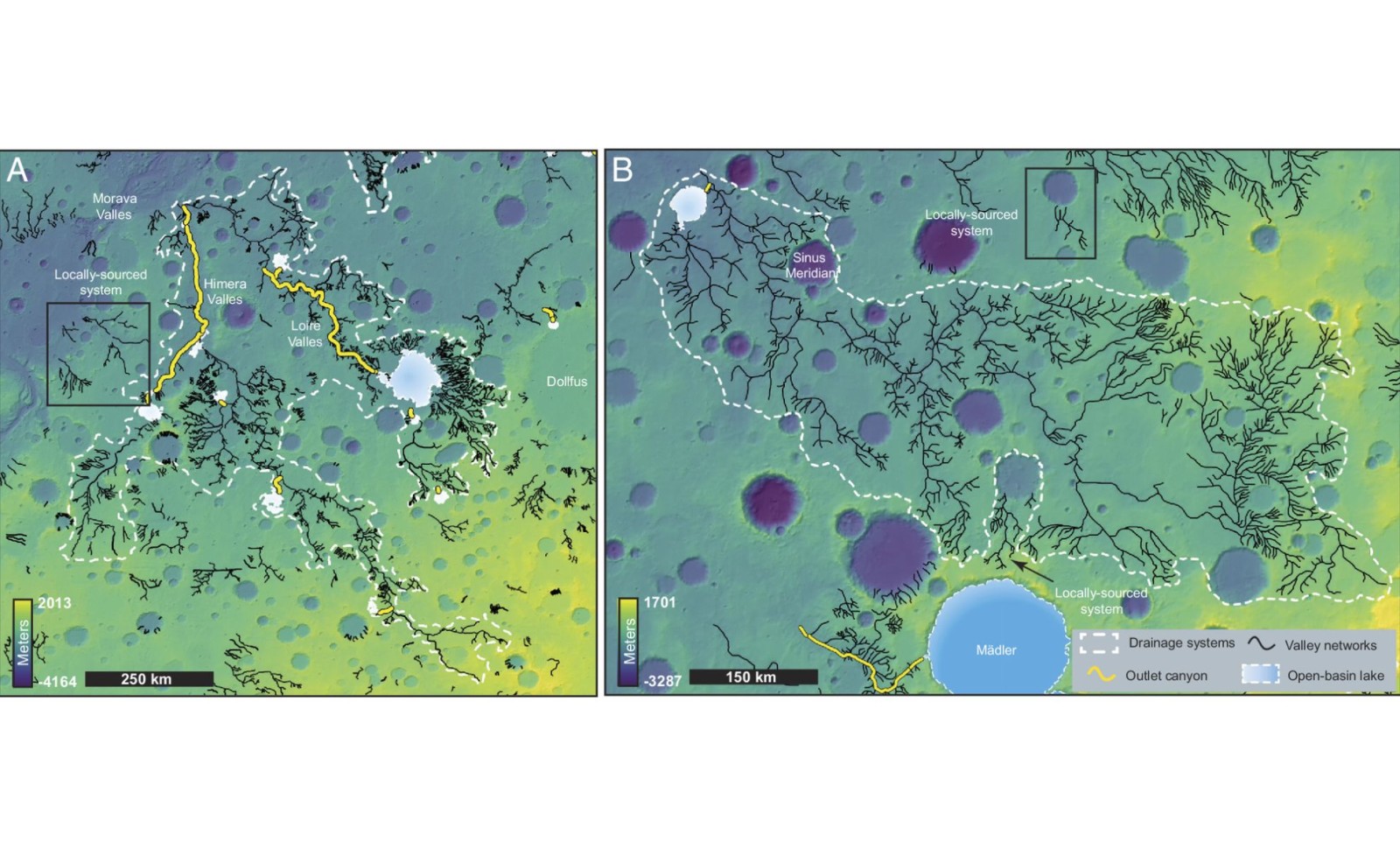
The investigation, published in the Proceedings of the National Academy of Sciences, identifies at least 16 vast river networks on Mars, complete with outlet canyons stretching over great distances. Together, these systems account for roughly 49% of the total Martian outlet canyon lengths mapped so far.

“We’ve known for a long time that there were rivers on Mars. But we really didn’t know the extent to which the rivers were organized in large drainage systems at the global scale”, explained co-author Timothy A. Goudge, an assistant professor in the Department of Earth and Planetary Sciences at the UT Jackson School of Geosciences.
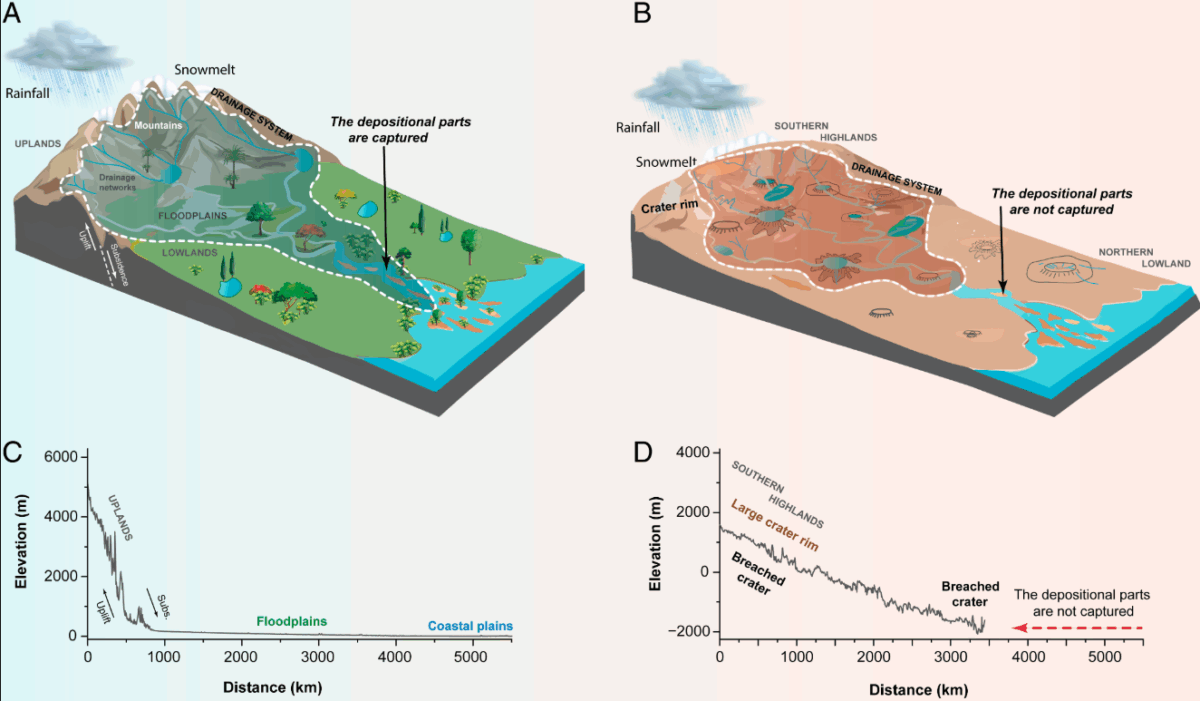
This breakthrough arose from detailed evaluations of orbital data, overturning previous assumptions that Martian rivers were small and isolated. Instead, these findings illustrate interconnected networks capable of carrying substantial sediment volumes. This challenges older views on Mars’ hydrology, implying the planet possessed Earth-like conditions sufficient to support sizable river-based geological activity.
The discovery not only underpins evidence of widespread water flow but also hints that Mars once hosted environmental processes similar to those shaping Earth's surface. This new perspective opens exciting avenues for understanding Mars’ climate evolution and habitability potential.
The Role of Massive Drainage Networks in Shaping Mars
The extensive drainage systems uncovered were key forces in remodeling the Martian surface. Research indicates these rivers are responsible for approximately half of the sediment deposits found in Martian river canyons. The channels carved by their persistent flow remain visible today as profound, twisting valleys that once funneled energetic waters. Such erosion helped form impressive basin-like depressions and deep gorges—geological features crucial to decoding Mars’ ancient environment.
“The longer the distance, the more you have water interacting with rocks, so there’s a higher chance of chemical reactions that could be translated into signs of life,” in the words of Abdallah S. Zaki, the lead researcher.
Since the river activity waned due to climatic shifts, these ancient waterways have vanished, leaving only their geological marks across Mars’ surface. These features provide a riveting window into a past era when Mars was warmer and wetter, potentially suitable for sustaining liquid water and, perhaps, microbial life.
- Categories:
- Space













0 comments
Sign in to Comment