
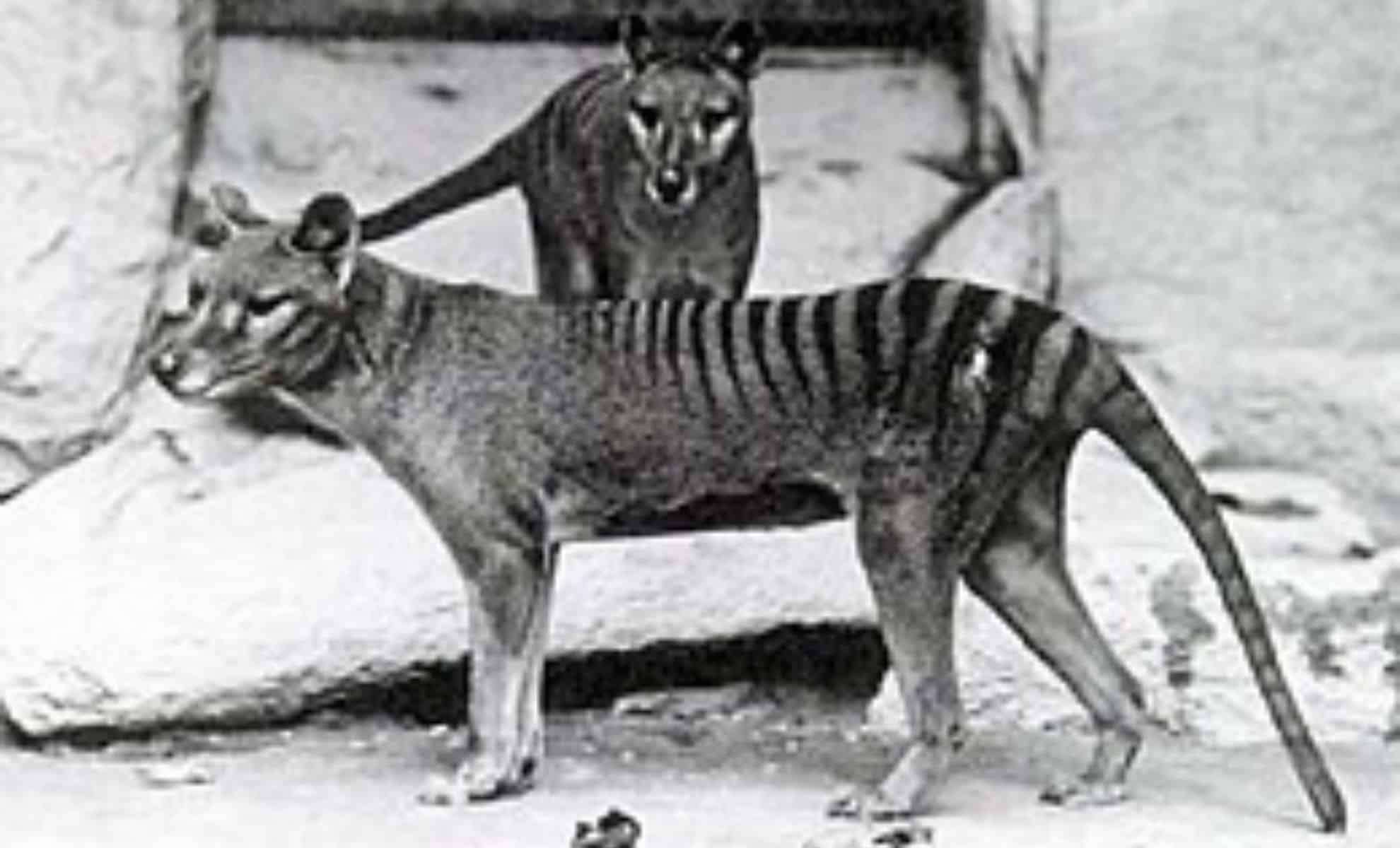
For nearly 100 years, the Tasmanian tiger, also known as the thylacine, has been regarded as extinct—a casualty of intensified hunting, habitat loss, and detrimental government policies that eradicated Australia’s unique marsupial apex predator. Officially declared extinct in 1936 after the last individual died in captivity at Hobart Zoo, the species seemed lost forever.
Today, groundbreaking research brings new hope as scientists announce they are nearing the ability to undo the species’ extinction. A collaborative team from the U.S. and Australia has successfully sequenced 99.9% of the thylacine’s genome, paving the way to potentially revive this elusive animal.
This significant milestone, spearheaded by Colossal Biosciences, an innovative biotech firm based in Texas, marks a turning point in de-extinction efforts. Alongside their projects to resurrect the woolly mammoth and the dodo, Colossal combines genome sequencing, cutting-edge gene-editing, and reproductive technologies to reconstruct the thylacine’s DNA with unparalleled precision.

The Discovery of a Century-Old Specimen That Transformed the Project
One of the major hurdles in resurrecting extinct species is the degradation of genetic material over time. DNA tends to deteriorate, often rendering attempts to sequence extinct animals’ genomes impossible due to poor sample quality.
Remarkably, the researchers found an exceptional genetic treasure.
A 108-year-old thylacine pup preserved in alcohol at a Melbourne museum provided an extraordinarily intact source of genetic material. This unique specimen yielded not only DNA but also RNA, offering insights into how the animal’s genes were expressed.
“The thylacine samples used for our new reference genome are among the best-preserved ancient specimens my team has worked with,” stated Beth Shapiro, chief science officer at Colossal.
Through RNA analysis, the team unraveled details about the thylacine’s sensory perceptions, including taste and smell, its visual abilities, and even brain function. This comprehensive molecular understanding surpasses typical genetic reconstructions, granting a deeper glimpse into an extinct predator’s biology.
“With this new resource in hand, we will be able to determine what a thylacine could taste, what it could smell, what kind of vision it had, and even how its brain functioned,” explained Professor Andrew Pask of the University of Melbourne, a principal investigator on the project.
Engineering Genomes: How Scientists Aim to Recreate the Tasmanian Tiger
Sequencing the genome is only the first step; the ultimate challenge is turning this genetic data into living thylacines.
As no living thylacines remain to act as surrogates, researchers are utilizing CRISPR gene-editing to alter the DNA of the closest extant relative, the fat-tailed dunnart, a small marsupial.
Though much smaller than the Tasmanian tiger, the fat-tailed dunnart shares considerable genetic similarity. Scientists have already introduced more than 300 targeted genetic changes in laboratory dunnart cells, swapping in thylacine-specific genetic sequences.
The task extends beyond genetic editing; scientists must refine marsupial reproductive techniques such as inducing ovulation in dunnarts and cultivating embryos externally, akin to human IVF. Developing these methods is essential for the successful gestation of thylacine embryos.
When Could We Witness the Return of the Thylacine?
Colossal Biosciences projects that creatures resembling the thylacine could emerge within a decade if current efforts continue to advance smoothly. Nevertheless, the initiative has drawn both skepticism and ethical debates.
Opponents worry that resources invested in de-extinction might detract from conserving extant endangered species in Australia. With about one-fifth of native mammals facing decline, conservationists argue that funds might better aid species like the Tasmanian devil, which is imperiled by a contagious facial tumor disease.
Questions also arise regarding whether a revived thylacine could adapt to present-day Tasmania, with ecosystems having changed drastically since its disappearance. Would it thrive or falter as a genetically engineered artifact?
Some experts remain doubtful. “De-extinction is a fairy tale science,” commented Professor Jeremy Austin from the Australian Centre for Ancient DNA, dismissing the efforts as unrealistic.
Still, many maintain that even if full resurrection proves unattainable, the research will generate important advances in genetics, conservation biology, and marsupial reproductive methods. These innovations could bolster efforts to protect vulnerable species, offering new strategies to maintain biodiversity amid global environmental challenges.
- Categories:
- News










0 comments
Sign in to Comment