
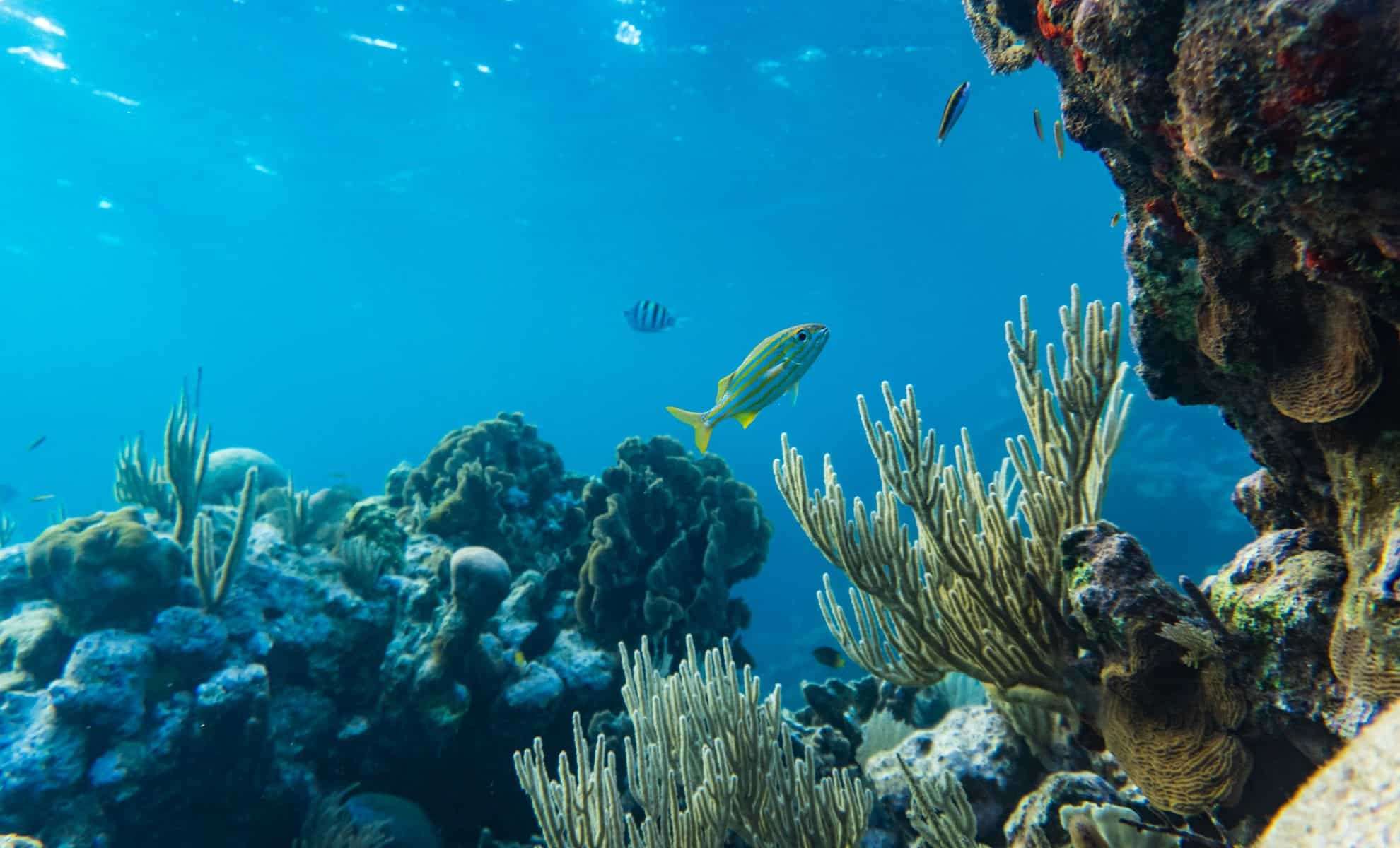
Coral reefs cover less than 1% of the Earth’s ocean surface, yet they provide habitat for approximately 25% of marine life during various stages of their existence. Nonetheless, these crucial ecosystems face increasing risks from climate change and human influence.
Overcoming the Challenges of Conventional Reef Research
Traditional monitoring of coral reefs has relied on time-consuming and labor-intensive techniques, including passive acoustic observation.
Researchers deploy underwater microphones on coral reefs for long durations to record the natural sounds of marine species.

After gathering this audio, experts must painstakingly analyze hours of recordings to pinpoint distinct fish calls and other species-related noises. Although effective, this approach remains slow and strenuous.
As researcher Seth McCammon explains, the manual process can be “incredibly tedious” and inefficient for providing timely data on reef health.
Introducing AI: Swift, Intelligent Coral Monitoring
Scientists at the Woods Hole Oceanographic Institution have created a neural network capable of analyzing underwater audio in real time.
This AI platform identifies fish sounds and other marine noises at speeds exceeding human capability by over 25 times.
“Removing the need for constant human oversight opens the door to new monitoring technologies beyond stationary recorders,” noted the research team.
The team is now incorporating this AI-powered system into diverse marine devices like floating sensors and autonomous underwater vehicles such as CUREE.
These instruments can send live updates on fish call frequencies and highlight biologically active zones.
Decoding Underwater Fish Sounds
A key advancement made possible by this AI is linking distinctive fish calls to their respective species, something scientists have long found challenging.
For many species, identifying the exact origin of particular calls has been uncertain, as McCammon notes.
“For the vast majority of species, we haven’t gotten to the point yet where we can say with certainty that a call came from a particular species of fish.”
The implementation of this neural network is pushing us closer to that capability by enabling real-time recognition of fish calls.
This innovation paves the way for devices that not only detect fish sounds but also classify the species producing them.
A Leap Forward in Marine Protection
This revolutionary AI tool holds great promise for coral reef conservation by facilitating instantaneous monitoring of marine species populations.
Real-time tracking of fish behavior and health means researchers can react more rapidly to shifts in reef ecosystems.
This capability is crucial for addressing urgent environmental challenges such as coral bleaching or invasive species interference.
As McCammon highlights, “By being able to do fish call detection in real time, we can start to build devices that are able to automatically hear a call and then see what fish are nearby.”
Such advances enable swift action to safeguard endangered aquatic species and preserve fragile habitats.
- Categories:
- Science











0 comments
Sign in to Comment