
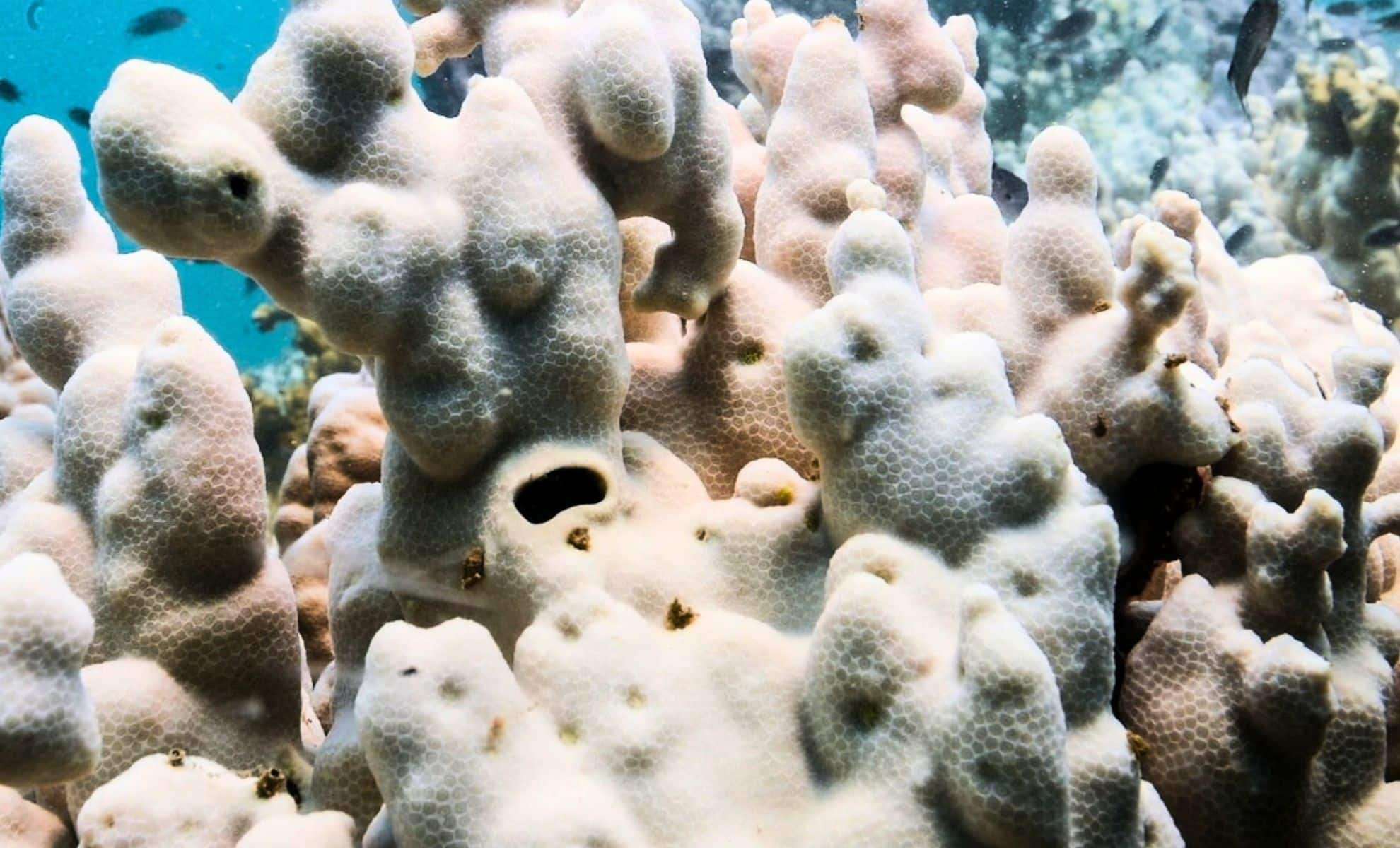
Coral reef ecosystems, crucial habitats that support extensive marine biodiversity, are facing an unparalleled threat. The National Oceanic and Atmospheric Administration (NOAA) reports that the planet is currently enduring its largest-ever coral bleaching incident.
This catastrophic event has affected 84% of the world’s coral reefs, signaling a dire environmental alarm for marine ecosystems and global ecological balance. Starting in January 2023, this event continues to threaten coral reef habitats across the planet.
Understanding Coral Bleaching: Causes and Consequences
Coral bleaching happens when rising sea temperatures increase, forcing the expulsion of symbiotic algae that reside within coral tissues. These algae sustain corals by producing nutrients via photosynthesis, and their loss causes corals to lose color and become white.

While bleaching itself doesn’t kill corals instantly, extended periods of thermal stress can inflict serious harm, ultimately resulting in coral mortality.
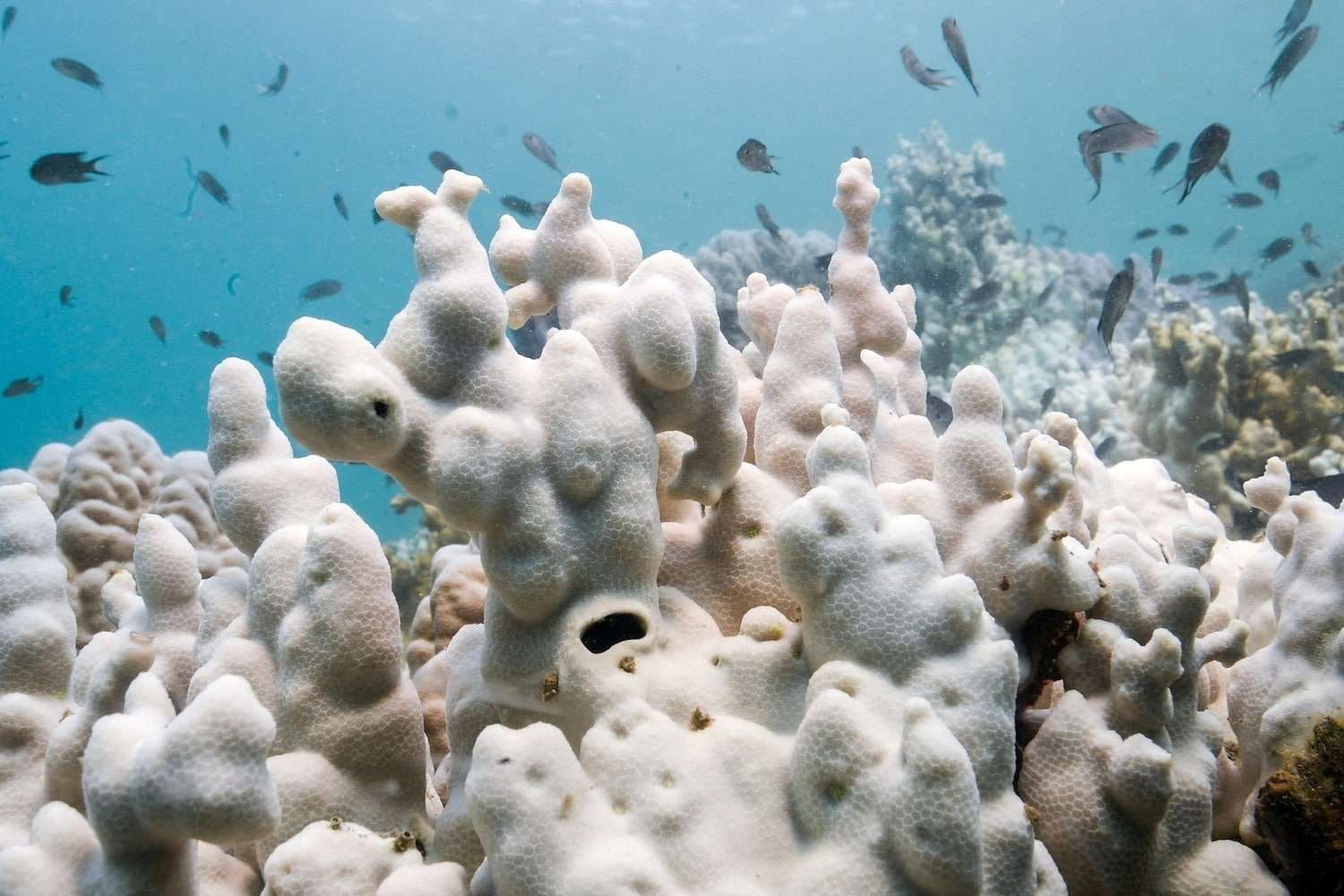
This unprecedented bleaching episode has eclipsed all past events. Between January 2023 and April 2025, about 83.7% of coral reefs worldwide have faced severe heat stress associated with bleaching, spanning more than 80 nations and territories.
The previous peak, recorded during the 2014-2017 bleaching event, saw bleaching impact 68.2% of global reefs. Earlier events in 1998 and 2010 were less severe, making the current disaster unprecedented in both geographic scope and intensity.
Regions Bearing the Brunt of Coral Bleaching
This crisis is truly global. Coral bleaching has affected reefs across the Atlantic, Pacific, and Indian Ocean. Areas severely damaged include coastal reefs in Florida, the Caribbean, Central and South America, Australia, East Africa, the South Pacific, and Indonesia.
According to NOAA’s satellite monitoring, these zones are showing alarming levels of bleaching that risk the collapse of entire reef ecosystems.
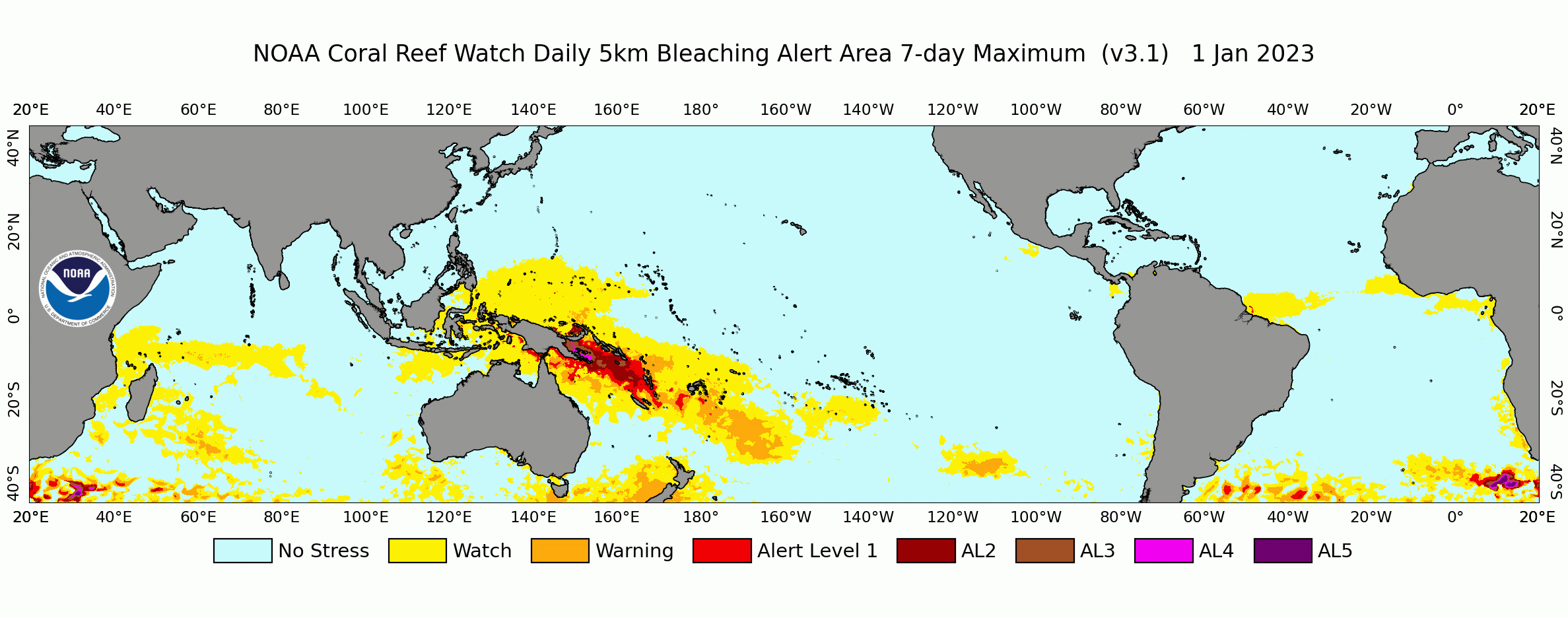
The Pacific and Indian Ocean regions are witnessing vast stretches of reef turning pale as elevated ocean temperatures persistently stress coral colonies.
Mass bleaching episodes are becoming more frequent, but the magnitude of this current event highlights the mounting challenges posed by climate change and warming oceans.
The Outlook for Coral Reefs: Challenges Ahead
The prognosis for coral reefs remains grim unless decisive climate interventions are made. Scientists warn that yearly widespread coral bleaching could become common by 2050, endangering the survival of most coral reef systems worldwide.
Effective mitigation requires aggressive cuts in atmospheric carbon dioxide emissions and coordinated global action against the factors driving climate change.
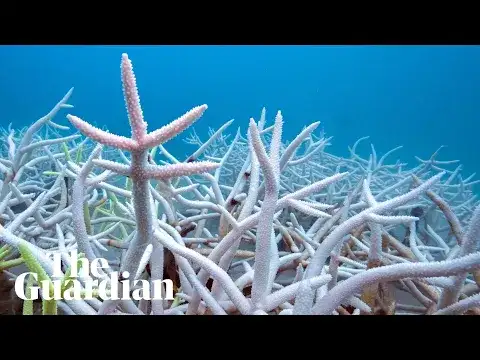
This ongoing mass bleaching event is a stark call to urgency for climate solutions. Researchers are exploring promising strategies, including cultivating heat-tolerant “super corals” capable of thriving in warmer waters.
Nevertheless, these innovations are viewed as short-term mitigations. Preserving the future of coral reefs hinges on worldwide efforts to halt greenhouse gas emissions and curtail climate impacts.













0 comments
Sign in to Comment