
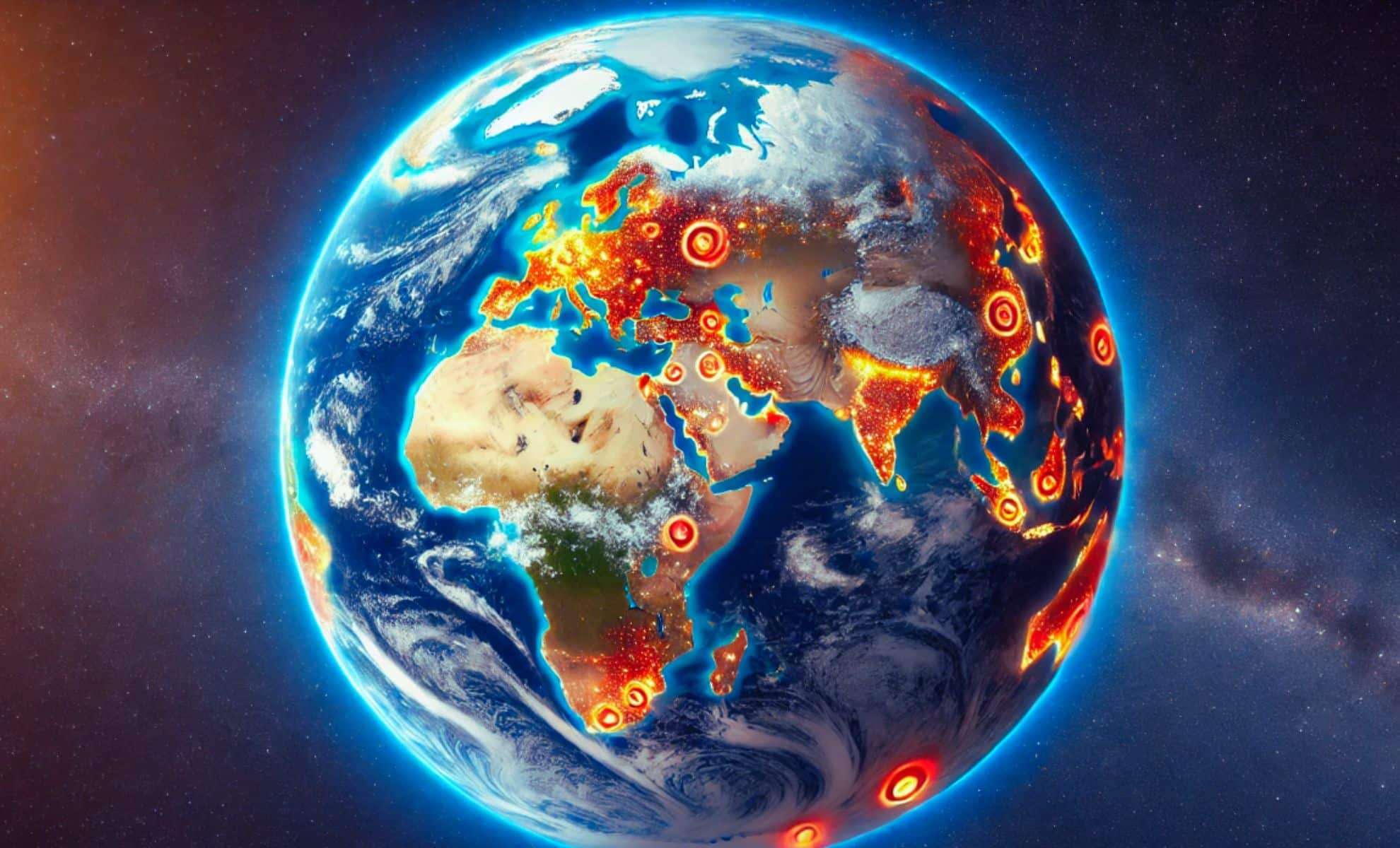
In an unprecedented shift, 2023 marked the warmest year ever documented, with temperatures soaring 2.12 °F (1.18 °C) above the 20th-century average, surpassing the previous high from 2016. Even more concerning, projections indicate that 2024 may shatter these records again. However, the most alarming development is not merely the yearly rise in heat, but the sudden emergence of extraordinary heatwave hotspots around the world that experts did not anticipate.
Extreme Heatwaves Outstrip Forecasts
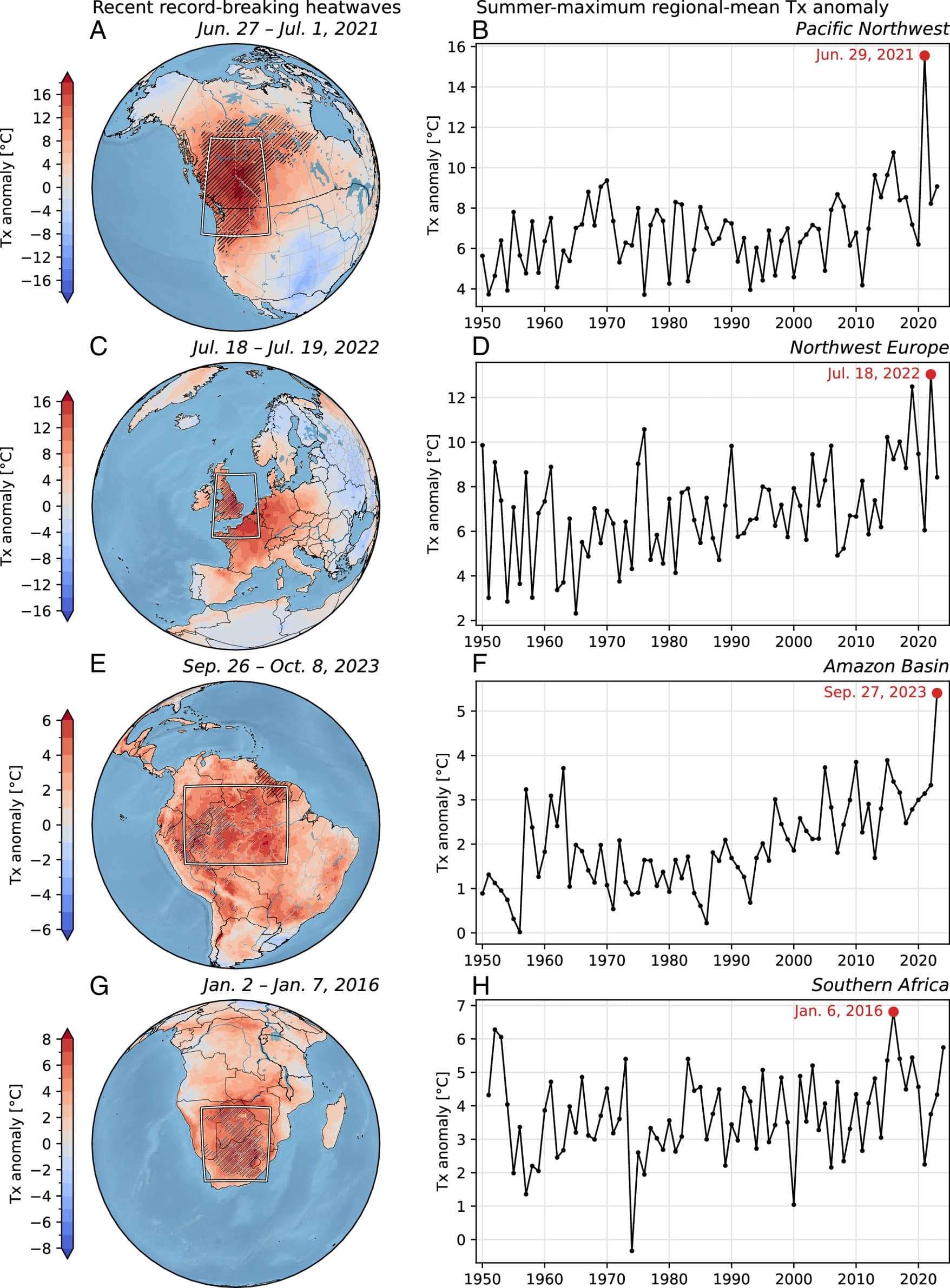
While climate models predicted gradual temperature increases, recent findings reveal heatwaves far exceeding expectations. Scientists have created the first comprehensive global map highlighting zones afflicted by record-setting heatwaves occurring on every continent except Antarctica.
These heatwaves are extraordinary; some locations have witnessed temperature surges reaching up to 54 °F beyond previous daily records. These intense heat events are no minor anomalies—they are severe threats causing significant harm to communities and ecosystems.

The results are devastating: thousands of fatalities, massive wildfires, destroyed crops, and ravaged forests. Researchers caution that this emerging pattern challenges existing climate change paradigms and raises urgent questions about whether we face an irreversible crisis. Learn more about efforts to mitigate related threats climate change.
Global Heat Extremes: Emerging Epicenters
Some of the most intense heat episodes have struck areas including central China, Japan, Korea, the Arabian Peninsula, eastern Australia, and various parts of Africa, turning these regions into unprecedented heat hotspots.
In 2021, the U.S. Pacific Northwest and southwestern Canada endured a historic nine-day heat spell that shattered daily temperature norms by up to 30 °C. Notably, Lytton, British Columbia recorded Canada’s highest temperature ever at 121.3 °F before succumbing to a wildfire days later.
Additionally, areas such as Oregon, Washington, and sections of Canada’s Arctic have faced significant heatwave impacts. Even Europe—a continent long considered resilient to extreme heat—is growing more susceptible.
Between 2022 and 2023, severe heatwaves claimed nearly 60,000 lives across Germany, France, the United Kingdom, and the Netherlands. In parts of northwestern Europe, peak summer temperatures are rising twice as fast as the seasonal average. Many European households, lacking air conditioning, are vulnerable to these escalating temperatures.
Jet Stream Instability Intensifies Extreme Heat
Researchers point to a destabilized jet stream as a primary driver behind these heat extremes. Typically, the jet stream acts as a barrier, keeping Arctic cold air confined. However, accelerated warming in the Arctic has disrupted this flow, generating Rossby waves that trap hot southern air over mid-latitude regions, causing prolonged heatwaves.
Beyond the jet stream, factors like smaller atmospheric waves and vegetation drying—demonstrated during the 2021 Pacific Northwest event—compound the issue. Vegetation lacking moisture evaporates less water, reducing natural cooling and exacerbating heat intensity.
The Devastating Human Impact
Heat has now outpaced hurricanes, tornadoes, and floods as the leading cause of weather-related deaths in the United States. In 2023, heat-related illnesses claimed 2,325 lives, with numbers climbing. Scientists advocate for heatwaves to receive official names to boost awareness and improve readiness.
Despite these warnings, experts emphasize that the most severe impacts are still ahead. Heatwaves are causing extensive damage to human health, food production, plant life, and infrastructure. Rising temperatures are forecasted to worsen, prompting urgent questions about humanity’s preparedness.
Are We Prepared to Adapt?
As heatwaves escalate in frequency and severity, the pressing question remains: can society adapt swiftly enough? The consequences for ecosystems and populations are already dire, and with accelerating climate changes, timely adaptation is critical. It is becoming increasingly apparent that climate change is not a distant issue but a pressing global crisis unfolding now.
This research is detailed in the Proceedings of the National Academy of Sciences journal.
- Categories:
- Science ,
- Climate change










0 comments
Sign in to Comment