
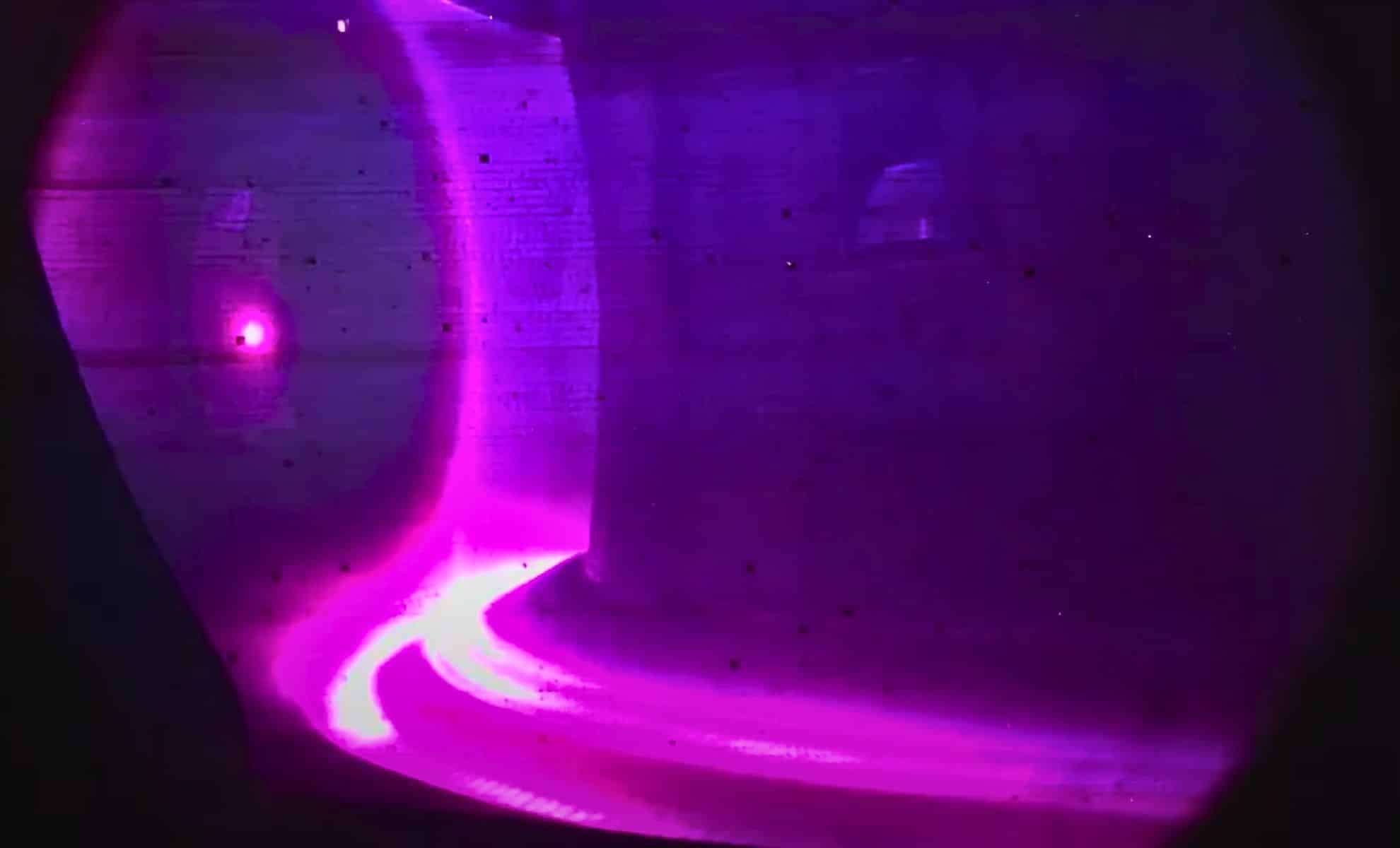
In a significant advancement toward harnessing nuclear fusion as a reliable energy source, French researchers have established a fresh global record for maintaining plasma. On February 12, 2025, the team at the French Alternative Energies and Atomic Energy Commission (CEA) sustained a plasma discharge inside the WEST tokamak reactor for an unprecedented 1,337 seconds, exceeding 22 minutes of continuous operation.
This achievement eclipses the earlier record of 1,066 seconds set in January 2025 by China’s EAST tokamak, marking an impressive 25% increase in sustained plasma duration. More critically, this extended control of plasma duration signals meaningful progress toward practical fusion energy generation.
What Distinguishes This Record Plasma Run?
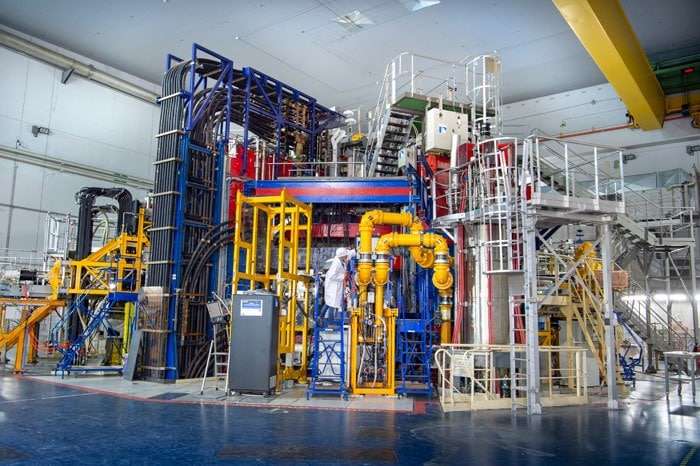
The WEST facility, located at the CEA Cadarache campus in southern France, serves as a leading platform to study the sustainable operation of fusion plasmas essential for future power plants.

During this latest experiment, plasma temperatures soared to around 50 million degrees Celsius, sufficient for fusion reactions to persist. Researchers confirmed that the tokamak’s plasma-facing materials upheld structural integrity despite enduring intense heat and radiation throughout the test.
Anne-Isabelle Etienvre, CEA’s Director of Fundamental Research, emphasized the significance of this milestone.
“WEST has achieved a new key technological milestone by maintaining hydrogen plasma for more than twenty minutes through the injection of 2 MW of heating power. Experiments will continue with increased power. This excellent result allows both WEST and the French community to lead the way for the future use of ITER.”, comment Anne-Isabelle Etienvre, Director of Fundamental Research at the CEA.
The Promise of Nuclear Fusion in Clean Energy Solutions
Nuclear fusion is widely hailed as a potential game-changer for sustainable energy, often described as the ultimate clean power source. Fusion differs from conventional nuclear fission by fusing hydrogen isotopes to form helium, releasing vast amounts of energy without splitting atoms.
The fuel for fusion, abundant hydrogen isotopes, promises near-limitless energy with negligible carbon emissions. Moreover, fusion reactors generate minimal radioactive waste compared to fission plants, positioning fusion as a highly attractive clean energy technology.
The overarching obstacle has been confining the high-temperature plasma inside a powerful magnetic field within the tokamak. If plasma destabilizes, fusion reactions quickly cease, challenging continuous energy production.
WEST’s record-duration plasma offers compelling evidence that stable, long-lasting fusion conditions are achievable, advancing the prospects of fusion as a feasible energy source.
Comparing WEST with Other Global Fusion Initiatives
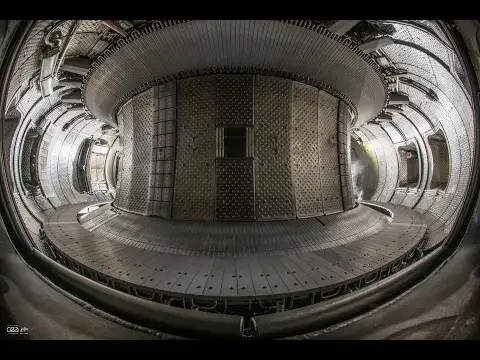
WEST forms part of a global collaboration involving fusion projects such as ITER, EAST, JT-60SA, and KSTAR. ITER, based in France, is the largest fusion experiment worldwide and anticipated to commence operations in the coming decade. Although EAST formerly held the plasma duration record, WEST’s latest feat surpasses it.
Japan’s JT-60SA and South Korea’s KSTAR facilities continue refining plasma confinement and heating techniques to eventually enable commercial fusion power plants.
Collaboratively, these endeavors aim to develop technologies for functional fusion reactors, with WEST’s new data pivotal for ITER’s design and operational strategies. Demonstrating extended plasma sustainment on WEST aids progress in engineering materials and reactor configurations for the next generation of fusion power plants.
Looking Ahead: The Path Forward for Fusion Power
While WEST is not intended as a commercial power generator, its record performance paves the way for future reactors capable of delivering fusion-based electricity on a large scale. Upcoming efforts will seek to lengthen plasma confinement times to several hours and push plasma temperatures towards 100 million degrees Celsius.
Increased heating power and advanced material testing remain critical to ensure reactor components endure the extreme conditions of prolonged fusion reactions without degradation.
Despite substantial progress, commercial fusion remains years away. Achieving net positive energy output — where the reactor produces more energy than it consumes — is a crucial goal yet to be reached. WEST’s success represents a key stride closer to making fusion power a reality.
- Categories:
- Science










0 comments
Sign in to Comment