
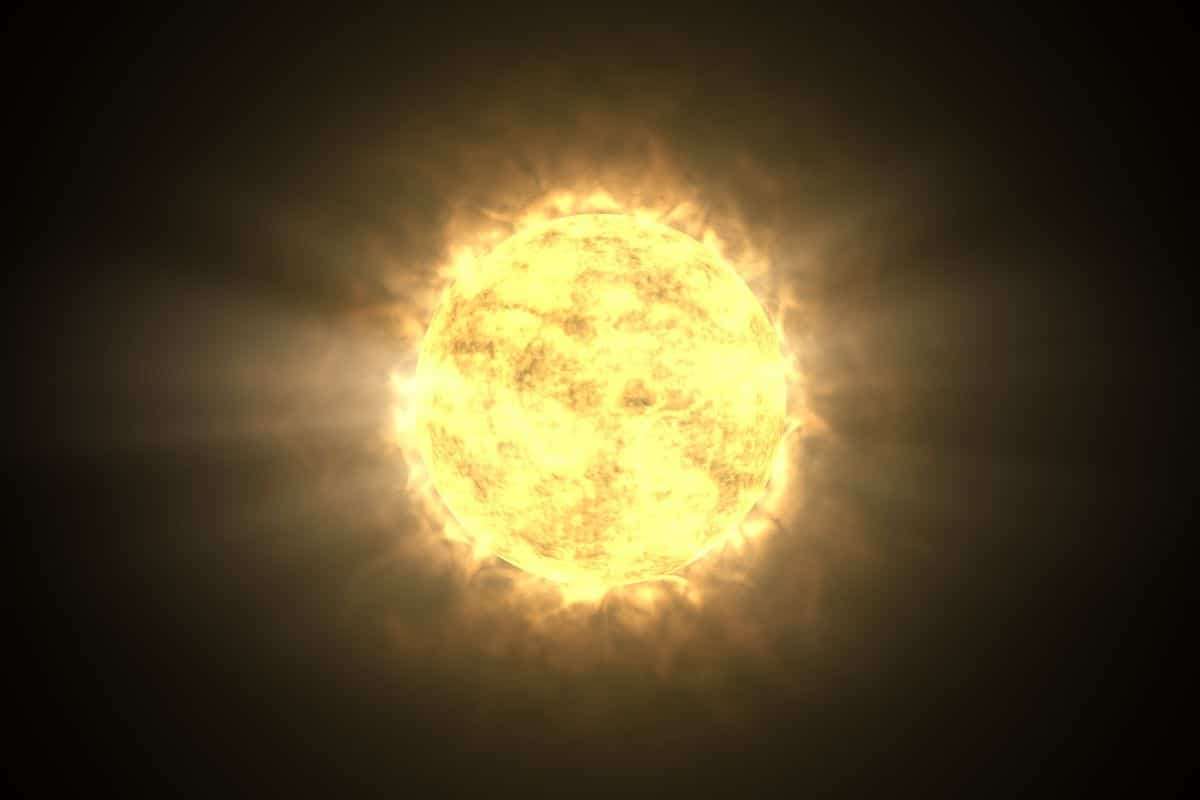
Researchers have made a remarkable advancement in the pursuit of sustainable clean energy. Scientists at the Chinese Academy of Sciences' Institute of Plasma Physics (ASIPP) have extended the operation time of the artificial sun, formally named the Experimental Advanced Superconducting Tokamak (EAST), to an extraordinary 1,066 seconds. This accomplishment brings us a significant step closer to harnessing fusion energy for everyday use.
Breaking New Ground in Fusion Science
The EAST tokamak, situated in Hefei, China, has been an important player in fusion efforts since its first startup in 2006. This toroidal magnetic confinement reactor generates and maintains plasma at extreme conditions, allowing atomic nuclei to merge and release energy as they do in stars.
This recent success shatters EAST’s former record of 403 seconds, showcasing a notable enhancement in plasma stability crucial for uninterrupted power generation in fusion reactors.

The team behind EAST leveraged advanced heating and plasma control technologies, doubling the input energy—the equivalent of running 140,000 microwave ovens concurrently. These improvements ensured a remarkably stable plasma during the record-breaking run, addressing key engineering challenges impeding fusion’s progress.
Emulating the Sun’s Energy Production
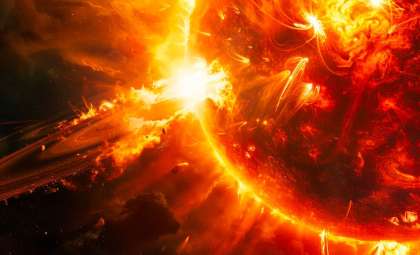
Nuclear fusion, the mechanism fueling the Sun, results from hydrogen nuclei merging under tremendous heat and pressure, releasing vast energy. Fusion represents a promising alternative to traditional energy sources, as it produces minimal radioactive waste and yields harmless helium instead of dangerous byproducts common in nuclear fission.
To achieve this on Earth, reactors like EAST utilize magnetic confinement techniques to hold and control plasma at temperatures nearing 150 million degrees Celsius, much hotter than the Sun’s core. EAST implements a high-confinement plasma mode, optimizing magnetic fields for better plasma retention and energy efficiency.
Despite its high potential, the technology requires overcoming significant hurdles—sustaining plasma stability over long periods remains one of the toughest challenges. EAST’s recent record indicates important progress towards resolving these issues.
The Worldwide Quest for Fusion Energy
While EAST’s milestone stands out, several global projects are advancing fusion research. Notably, the International Thermonuclear Experimental Reactor (ITER) in France, involving 35 nations, aims to become the largest tokamak and demonstrate practical sustained fusion operations on a grand scale.
Additional fusion initiatives are underway in regions like South Korea, the U.S., and Europe, each pursuing diverse reactor designs and strategies to unlock fusion’s potential.
Implications of the Latest Breakthrough
Maintaining stable plasma for more than 1,000 seconds is a pivotal achievement, indicating progress toward continuously operating fusion reactors. For fusion energy to be commercially viable, reactors must run efficiently and steadily for extended durations, ensuring a stable plasma cycle and dependable power output.
“A fusion device must achieve stable operation at high efficiency for thousands of seconds to enable the self-sustaining circulation of plasma, which is critical for the continuous power generation of future fusion plants,” said nuclear physicist Song Yuntao of ASIPP.
Nonetheless, challenges remain. Achieving a “net energy gain” — where the fusion process produces more energy than consumed — has yet to be realized. Upcoming objectives for EAST and similar reactors will focus on scaling up performance and refining energy efficiency to pave the way for fusion’s commercial deployment.
- Categories:
- Science







0 comments
Sign in to Comment