
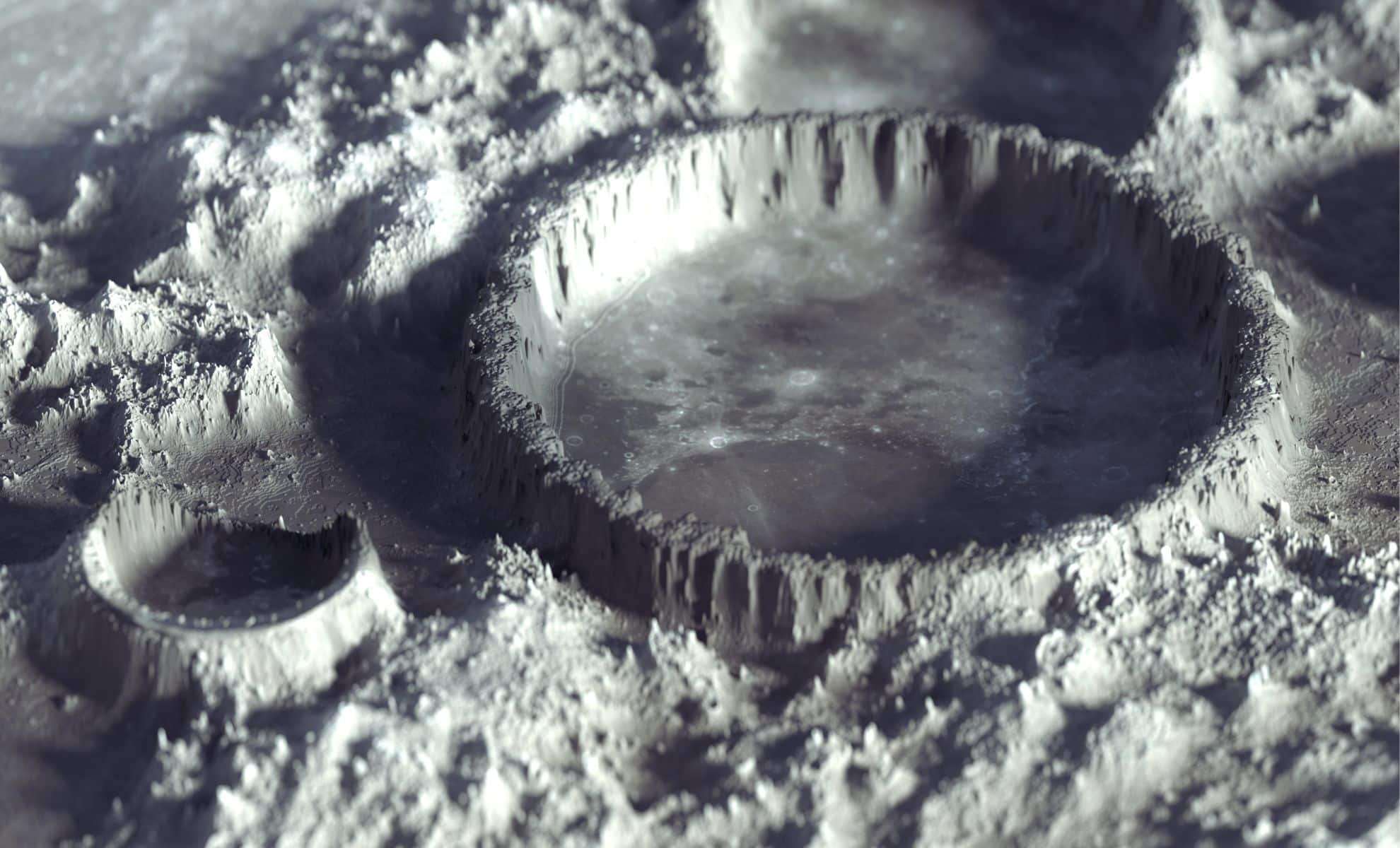
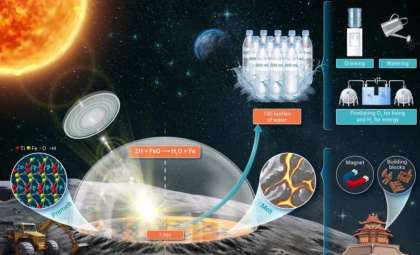
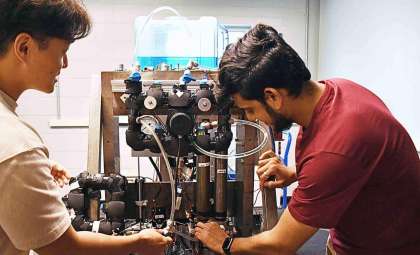
A recent publication in Joule dated July 16, 2025, by researchers at the Chinese University of Hong Kong, Shenzhen, unveils an innovative solar-driven system that could revolutionize lunar colonization. This novel method efficiently extracts water from Moon dust while concurrently transforming carbon dioxide into oxygen and fuel components, potentially minimizing the costly dependence on Earth-supplied resources such as water and fuel.
Unlocking the Untapped Potential of Moon Dust
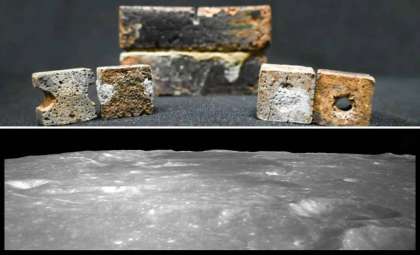
Once considered a lifeless and unyielding substance, lunar regolith has now been recognized for its valuable resource capabilities. New insights reveal that the Moon’s soil harbors usable water reserves that, if properly exploited, could sustain astronauts without continuous Earth deliveries. Lead investigator Lu Wang from the Chinese University of Hong Kong, Shenzhen, remarked, “The unexpected properties of lunar soil have astonished us.”
This advancement hinges on a cutting-edge photothermal process that not only retrieves water but also leverages it to convert CO₂ into breathable oxygen and energy-rich fuels. Such a dual-function approach promises to provide essential life support and propulsion supplies on-site, pushing us closer to self-sufficient lunar settlements.

Solar Energy: The Powerhouse of Lunar Resource Extraction
A defining feature of this breakthrough is its reliance on solar power to drive the extraction mechanism. The system uses concentrated sunlight to generate heat, which facilitates water removal from lunar soil without bulky equipment or intensive power needs. This solar-centric innovation boosts energy efficiency crucial for building cost-effective, long-duration Moon bases.
Wang highlighted, “Our integrated system’s success surpassed our expectations.” Harnessing the Moon’s abundant solar radiation not only fosters sustainability but also slashes the expense and complexity associated with transporting essentials from Earth, clearing a path for more practical lunar missions.
Tackling the Harsh Moon Environment
Despite the promise of this technology, deploying it on the Moon entails overcoming significant environmental challenges. Extreme temperature swings, intense radiation, and low gravity conditions complicate equipment durability and performance. Additionally, the variability in soil composition across lunar regions poses consistency challenges for water extraction processes.
The researchers acknowledge these obstacles and note that the catalyst’s current effectiveness must be enhanced to fully sustain human activities. “Addressing technical barriers and the substantial development costs is essential to enable practical, long-term lunar water harvesting and exploration,” the team states. Continued innovation and testing will be required to adapt this solution to the Moon’s demanding environment, but its prospects inspire optimism for future space habitation.
- Categories:
- News








0 comments
Sign in to Comment