
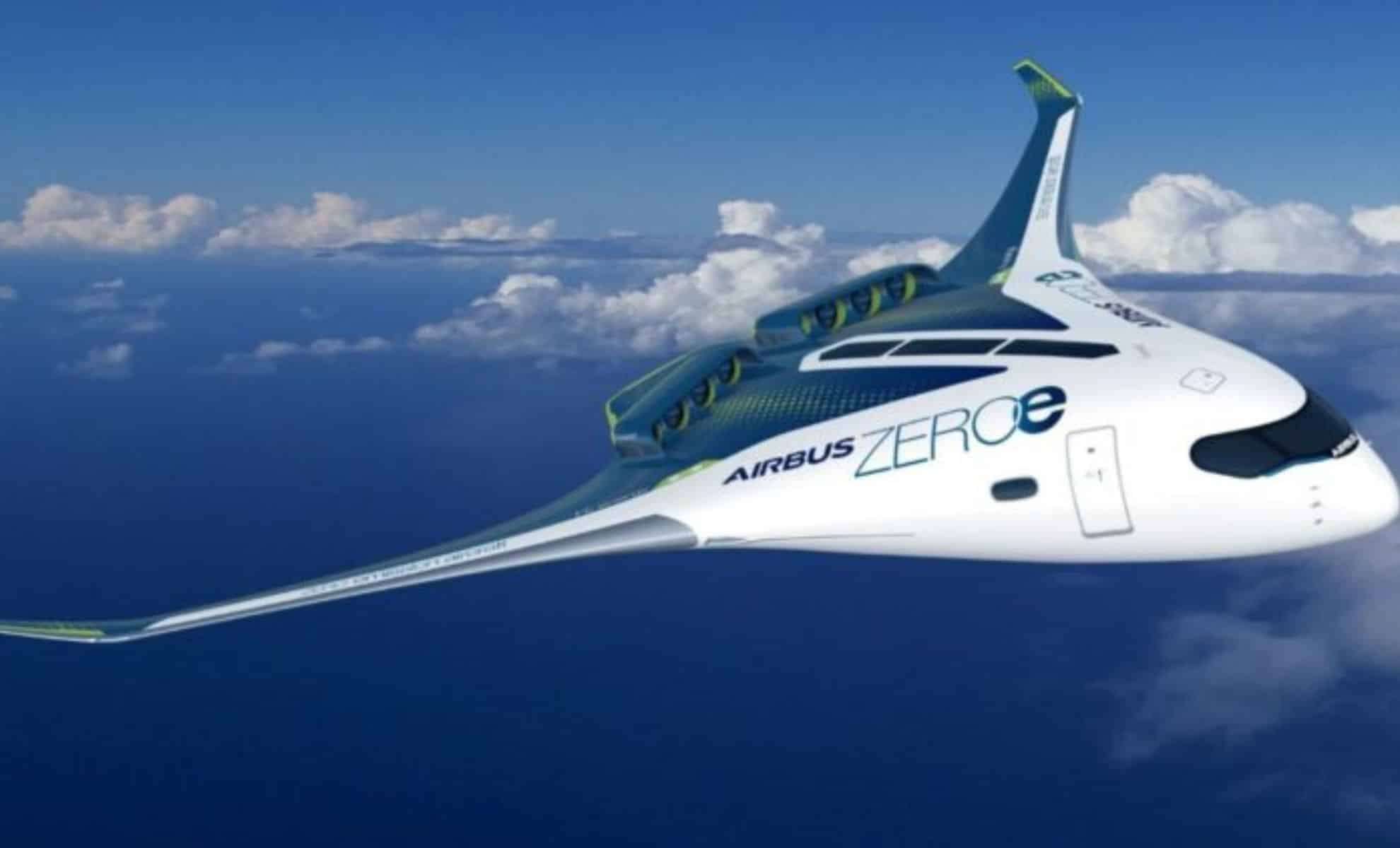
The aviation sector, traditionally a notable source of carbon emissions, is approaching a revolutionary shift. Airbus, a prominent aerospace leader in Europe, has revealed its ZeroE aircraft, the first-ever plane fueled entirely by hydrogen. This cutting-edge technology, running on hydrogen fuel, represents a transformative leap toward eco-friendly air travel. The debut of ZeroE took place at the Airbus 2025 Summit, marking a pivotal advancement in reducing aviation’s carbon footprint.
Hydrogen combustion produces only water vapor, presenting an environmentally sound alternative for powering aircraft engines. While hydrogen vehicles are gaining ground in the car industry, integrating this technology into aircraft had long been considered impractical. Airbus’ innovative efforts have shattered these barriers, positioning ZeroE as a trailblazer in green aviation technology.
From Electric Dreams to Hydrogen Reality
Airbus initially concentrated on creating electric aircraft to lower emissions within the sector. Yet, the environmental drawbacks linked to sourcing materials, particularly the extraction of lithium for batteries, highlighted the challenges of scaling electric planes sustainably. As an alternative, hydrogen, which can be generated through renewable energy like wind and solar power, emerged as a promising and cleaner fuel source.

Although hydrogen-powered vehicles have made strides in the automotive world, aviation requires far greater energy demands, and existing hydrogen infrastructure for planes was lacking. Airbus remains confident that hydrogen fuel will play a central role in the future of flying. The ZeroE initiative aims to minimize the environmental toll of air travel by utilizing hydrogen as its primary energy source.
Overcoming Hydrogen Aviation Challenges
One of the major obstacles with ZeroE lies in the handling and storage of hydrogen, particularly in its liquid state. To maintain liquid hydrogen, extremely low temperatures are necessary, creating logistical complexities for aviation operations. At present, facilities to support liquid hydrogen aviation are limited, and establishing a comprehensive global infrastructure demands substantial investment.
Despite these limitations, Airbus has made measurable advances through rigorous ground tests of its hydrogen systems. Demonstrations have confirmed the viability of liquid hydrogen as an aviation fuel. Nonetheless, challenges like hydrogen’s storage safety and the often high environmental costs of producing hydrogen persist. Ensuring the hydrogen supply chain is clean and renewable is vital to genuinely decarbonizing air travel.
Charting the Path to ZeroE’s Operational Debut
The ZeroE aircraft’s development spans several years, targeting commercial availability by 2030. Initial test flights utilizing hydrogen combustion have shown promising outcomes, producing only water vapor emissions. This breakthrough proves hydrogen-powered planes can function comparably to traditional fossil-fueled aircraft but without harmful exhaust.
Alongside technical advancements, Airbus is developing multi-barrier isolator cabinets to safely store hydrogen during flights. These systems are designed to maintain fuel integrity and passenger safety. Moreover, a worldwide network to refuel hydrogen planes must be built, requiring cooperation across government agencies, industry players, and regulators to make zero-emission flight a global reality.
- Categories:
- News










0 comments
Sign in to Comment