
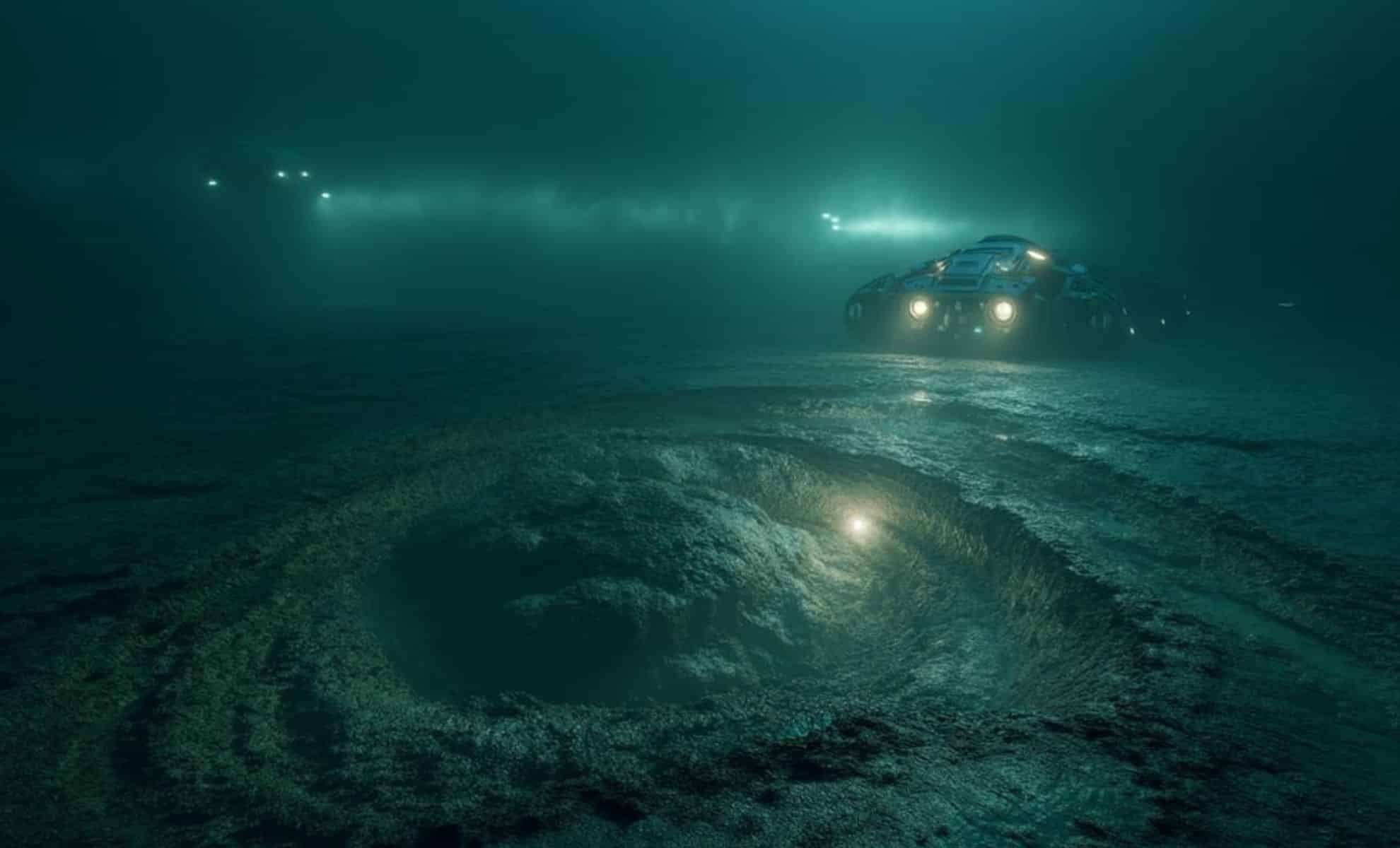
Beneath the frozen surface of Lake Baikal, the planet’s most ancient and deepest freshwater reservoir, a robotic probe has revealed remarkable geological phenomena previously concealed by the lake’s depths. Famous for plunging to 1,642 meters and hosting diverse life forms, Lake Baikal continues to intrigue researchers worldwide.
Mud Volcanoes Activity Uncovered
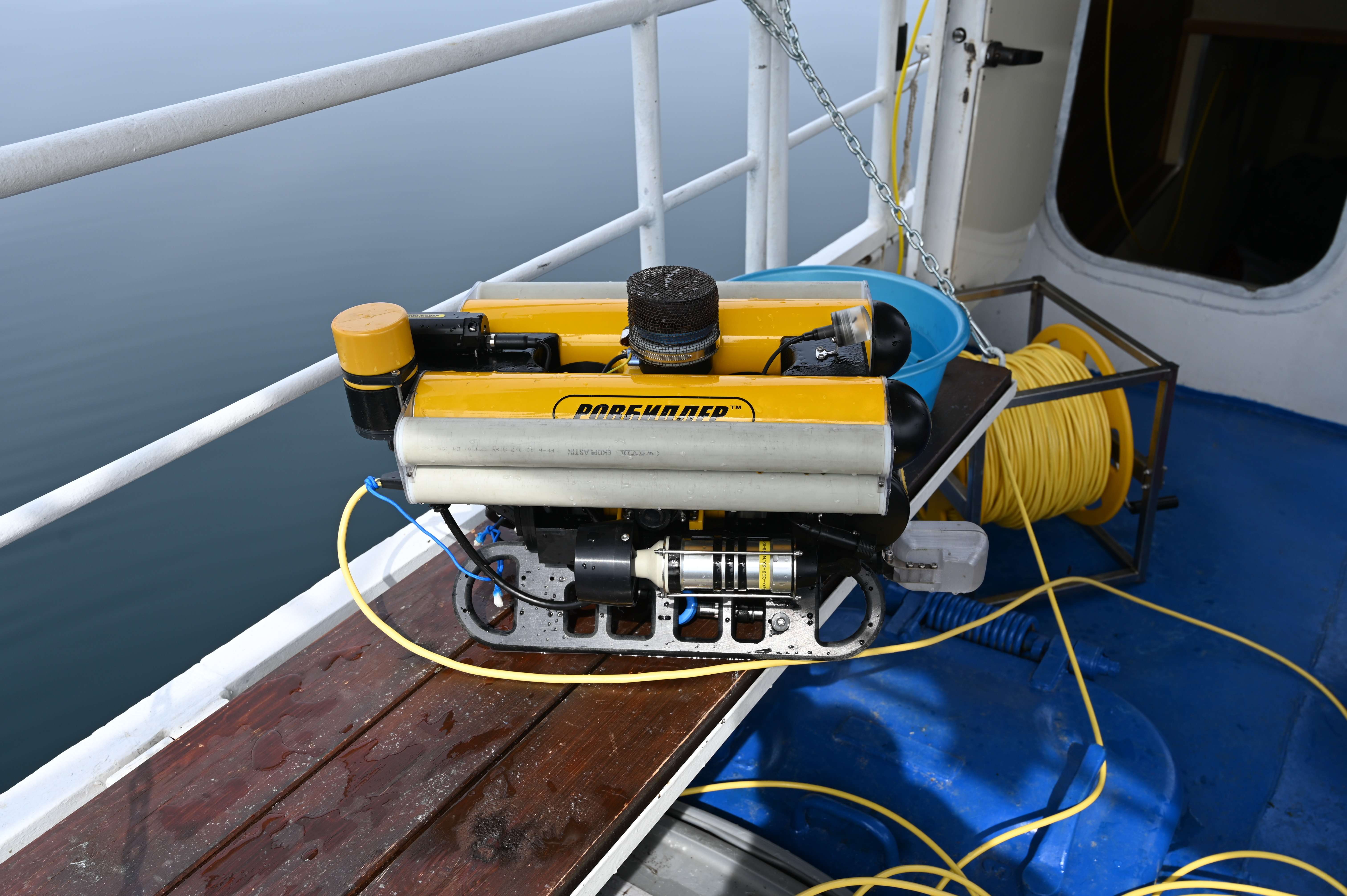
In the summer of 2023, an autonomous underwater vehicle (AUV) was sent by a team of scientists to investigate the chilly waters of Lake Baikal, focusing on the lake's northwestern basin. This robotic explorer recorded astonishing images of mud volcanoes erupting at depths ranging from 100 to 165 meters within Malaya Kosa Bay and Goryachinskaya Bay.
Although mud volcanoes were known to exist in the lake, their vigorous activity at these depths, especially near the Severobaikalsk fault, had not been anticipated. This unexpected proximity sheds light on the relationship between tectonic faulting and volcanic processes.

The Severobaikalsk fault is an active tectonic feature, and the erupting mud volcanoes imply a strong link between earth movements and volcanic phenomena. “The fault is alive,” explained Oksana Lunina, the lead structural geologist on the mission.
These newly observed activities offer promising indicators for potential earthquakes, opening fresh avenues for seismic forecasting in the region.
Evidence Linking Mud Volcanoes and Earthquakes
While mud volcanism isn’t unfamiliar to Lake Baikal, the intensity and positioning of these eruptions are unlike anything previously recorded. The Severobaikalsk fault stretches along the lake’s northwestern edge, with the eruptive mud features seemingly connected to seismic shifts.
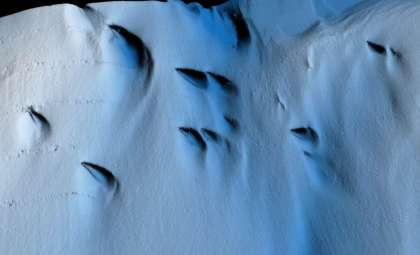
This tectonic-volcanic correlation promises essential data for tracking upcoming earthquake possibilities. The lakebed is marked by extended deformation zones and fractured surfaces. In Goryachinskaya Bay, the AUV spotted steep terrain layered with porous clay ridges and small mud cones, some no taller than five centimeters.
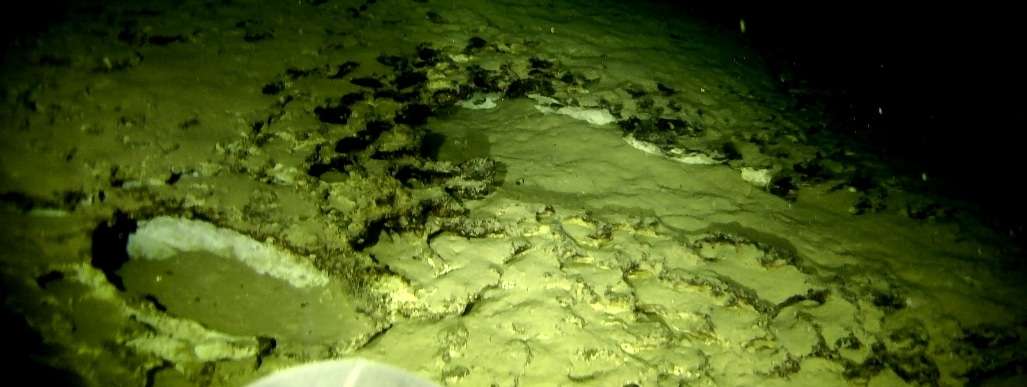
Some of these features show signs of recent disturbance, pointing to ongoing eruptions. Escaping gas-laden fluids beneath sediment layers further confirm the tight connection between mud volcanism and tectonic forces.
Comparable phenomena have been spotted in Solontsovaya Bay, where gas emissions align with ancient seismic breaks. This alignment supports the idea that mud volcanoes might serve as early warnings of imminent seismic events, offering scientists a predictive tool for earthquakes.
Survival in Extreme Habitat
Beyond geological revelations, the robotic mission uncovered extraordinary life forms flourishing amidst Lake Baikal’s icy, high-pressure environment.
Near the mud volcanoes, diverse extremophiles were recorded—including amphipods, gastropods, planarians, and cottoid fish.
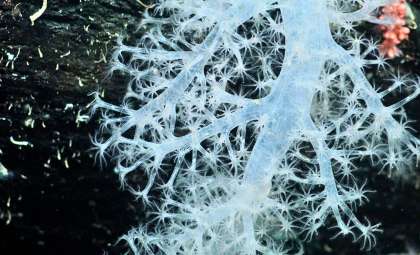
These species dwell within the central vents of the mud volcanoes, enduring intense pressure and near-freezing temperatures. Clusters of white sponges also cling to nearby rocky surfaces.
The resilience demonstrated by these organisms under such harsh conditions reveals new information about life's adaptability. The microbes and fauna inhabiting these depths appear to have developed specialized adaptations to survive in cold, high-pressure habitats down to 165 meters.
Discoveries from Lake Baikal contribute valuable insight into life's persistence in extreme environments, with implications extending beyond Earth.
Some experts suggest that the extremophiles observed may parallel hypothetical ecosystems in subsurface oceans of icy moons like Europa and Enceladus. These celestial bodies are key targets in the search for extraterrestrial life, and Lake Baikal’s isolated underwater ecosystems might mirror conditions capable of sustaining life elsewhere in the solar system.
- Categories:
- Science









0 comments
Sign in to Comment