
The Arctic Ocean has served as a secret repository for Cold War nuclear materials. As melting polar ice opens new sea routes, the hidden legacy of past military disposals is gradually surfacing. Decades of Soviet-era operations left behind radioactive waste that has been insufficiently documented and monitored.
Between the 1960s and the late 1980s, the Soviet Union discarded nuclear materials into Arctic waters, including used nuclear fuel, reactor sections, and other radioactive solid wastes. Much of this was sunk deep offshore in remote, icy areas rarely visited by vessels, with some disposal records incomplete or non-existent.
Uncovering these underwater nuclear sites demands a mix of archival research, advanced geophysical instruments, and complex expedition planning. Factors such as strong currents, incomplete sea floor mappings, and seasonal ice coverage make investigations exceptionally difficult. Nevertheless, new expeditions keep providing valuable insights into these submerged risks.

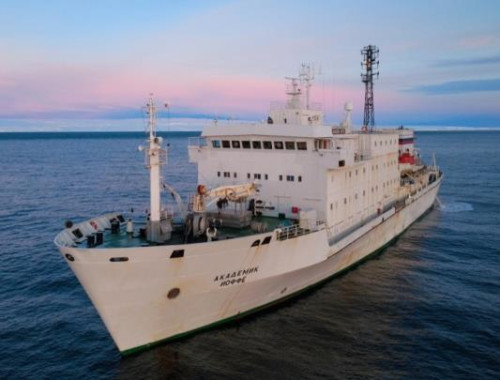
In late 2025, scientists aboard a Russian research ship detected a significant Soviet nuclear waste disposal site missing from official records, located in the Barents Sea.
Discovery of Soviet Nuclear Waste Site Near Novaya Zemlya
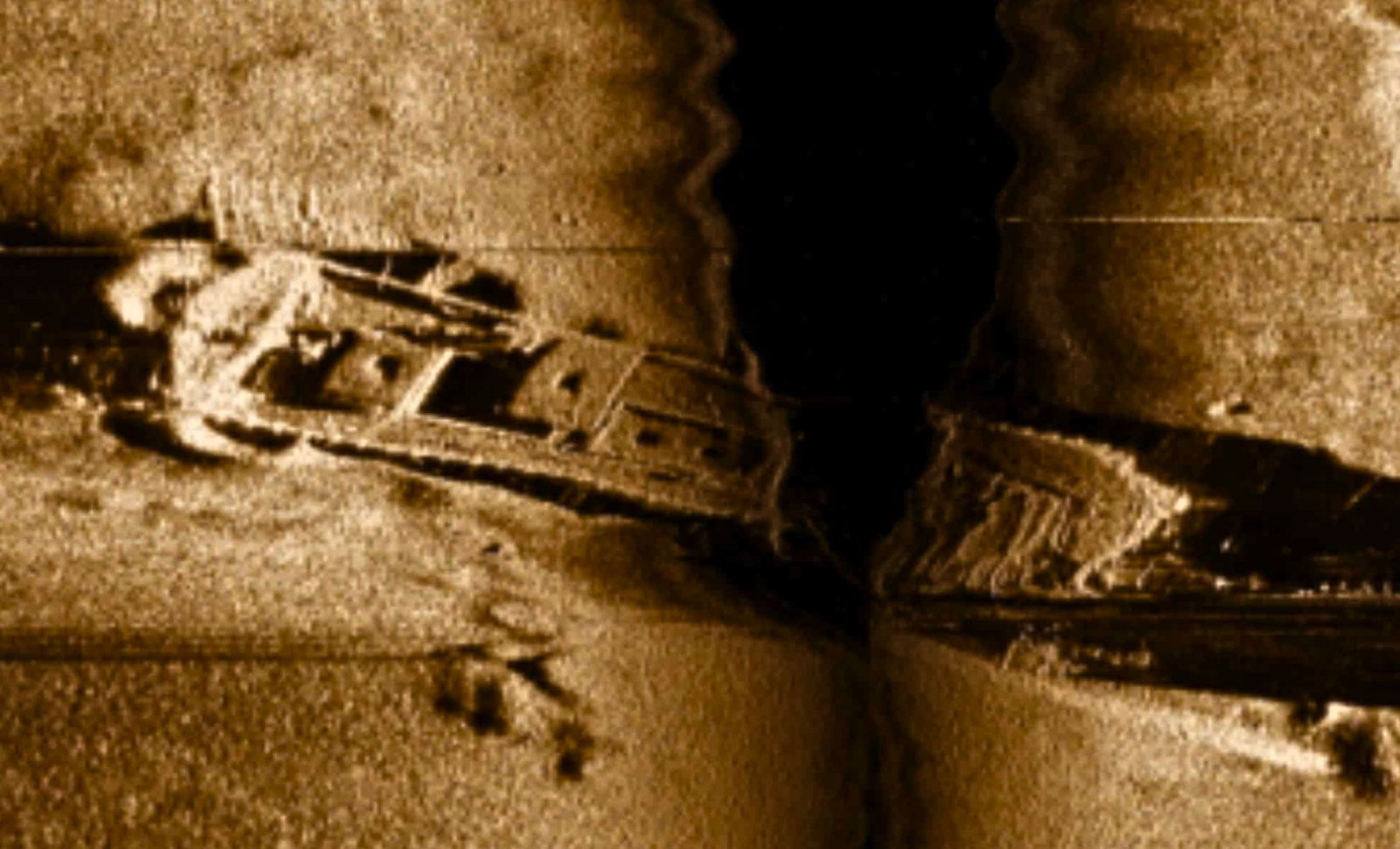
On its 70th Arctic voyage, the Akademik Ioffe vessel, managed by the P.P. Shirshov Institute of Oceanology, identified the wreck of the Likhter-4 barge, scuttled in 1988 purposely. This barge contained two reactor compartments removed from the submarine K-22 and 146 containers filled with solid radioactive waste.
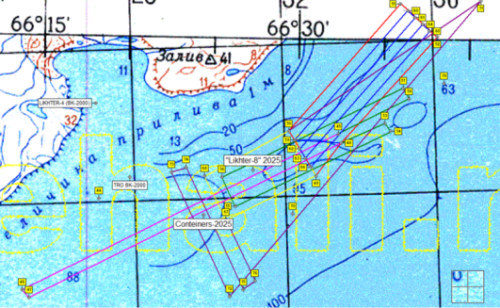
This site was precisely located in the Bay of Currents east of Novaya Zemlya at a depth exceeding 100 meters. Earlier archival information had inaccurately placed it close to the Roze Glacier. Previous expeditions in 2007, 2023, and 2024 tried but failed to verify the barge’s position due to challenging weather and limited operational time.
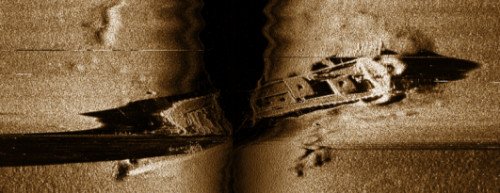
The researchers also confirmed a second suspected vessel, the Nikel barge, believed to hold roughly 580 tonnes of radioactive waste, though its exact location had long been unknown. They employed side-scan sonar and remotely operated vehicles to create detailed mappings of both sites.
This research forms part of a broader national initiative called Scientific and Technological Support for the Rehabilitation of the Arctic Region from Submerged Nuclear Objects, conducted in partnership with the Kurchatov Institute, the Russian Geographical Society, and the Ministry of Emergency Situations.
Radiation Assessment and Safety Evaluation
Submersibles deployed in the survey carried high-precision sonar devices and gamma ray spectrometers, enabling the team to detect and evaluate radioactive waste integrity with increased accuracy compared to prior expeditions.
Measurements of radiation from the Likhter-4 hull and deck showed no evidence of active leaks. The observed radiation was attributed to residual contamination on surfaces rather than breaches in containment. Samples from nearby sediment and local marine organisms contained no traceable artificial radionuclides.
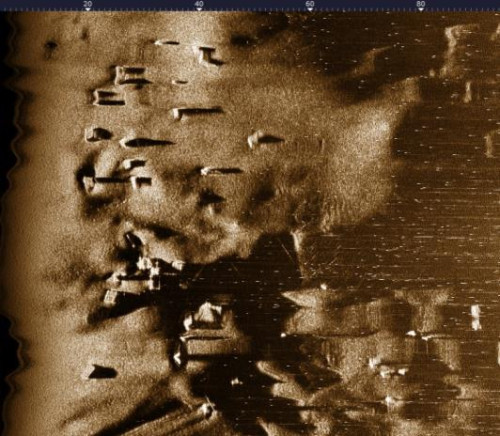
These results are consistent with earlier studies of similar underwater disposal locations. However, uncertainties remain about the long-term durability of containment structures, especially considering shifting Arctic ocean conditions.
The Nikel barge was scanned using sonar imaging and video surveys as well. Independent sources recognize the identification of both vessels as a critical step toward better knowledge of hazardous materials on the Arctic seabed. Environmental analysis revealed no significant spread of radioactive substances beyond the disposal sites.
Surveys of Additional Known Nuclear Wrecks
The expedition also revisited the K-27 submarine wreck in Stepovoy Bay, sunk in 1981 with its nuclear fuel still inside. The K-27 was an experimental vessel that experienced a serious reactor malfunction in 1968 and was considered too dangerous for dismantling, leading to its scuttling.
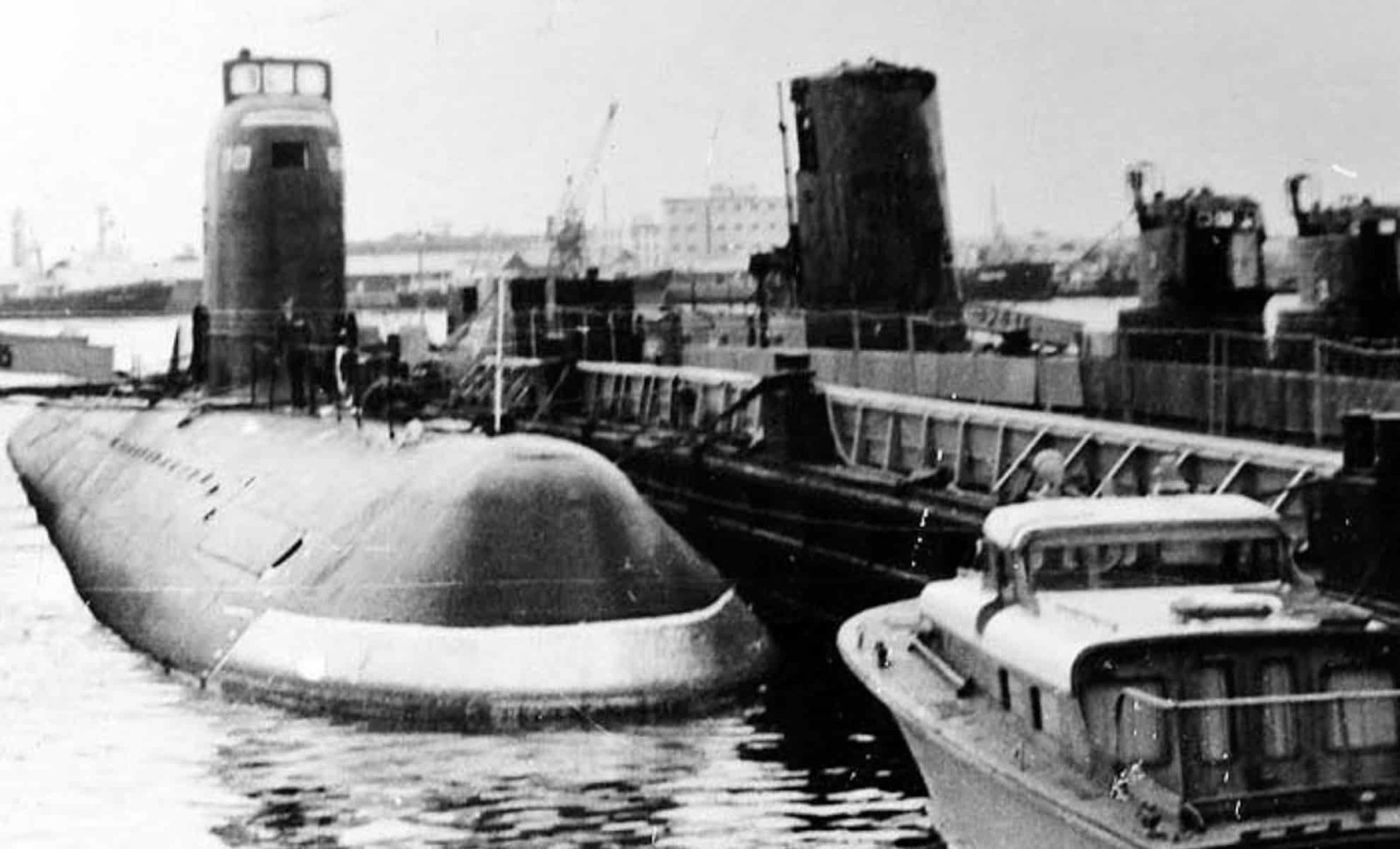
Radiation spectrometry at the site detected no leakage into surrounding waters. Radiation on the visible surfaces was again linked to residual contamination. Experts emphasize that the K-27 remains one of the riskiest submerged nuclear objects globally due to its distinctive lead-bismuth reactor technology.
There are plans to deploy a permanent underwater monitoring station to continuously assess the submarine’s reactor condition and track seabed changes that might threaten containment stability.
Implications for Environment, Policy, and Strategy
The 2025 expedition underscores increasing attention to the Arctic’s submerged nuclear hazards. As the region becomes more accessible and new shipping lanes develop, verifying and securing historic nuclear waste dumps is imperative. Russian scientists note the difficulty stemming from incomplete Soviet-era data and the volume of disposals over several decades.
A recent report backed by the Russian Science Foundation identified waters near Novaya Zemlya as among the most nuclear-contaminated marine zones in the Russian Arctic. The latest expedition was performed under State Assignment FMWE-2024-0024 and Contract No. 105-3-25-44-192 between the Institute of Oceanology and the Kurchatov Institute.
Research included hydrophysical profiling with acoustic equipment to analyze sediment layers and ADCP systems to monitor water currents. Sampling of benthic life, seabed cores, and particulates revealed no signs of active contamination.
Although international media have spotlighted this discovery, no foreign entities publicly participated in the mission. It remains uncertain how the data will influence broader Arctic governance or inspire cooperative environmental measures among Arctic nations.
- Categories:
- News









0 comments
Sign in to Comment