
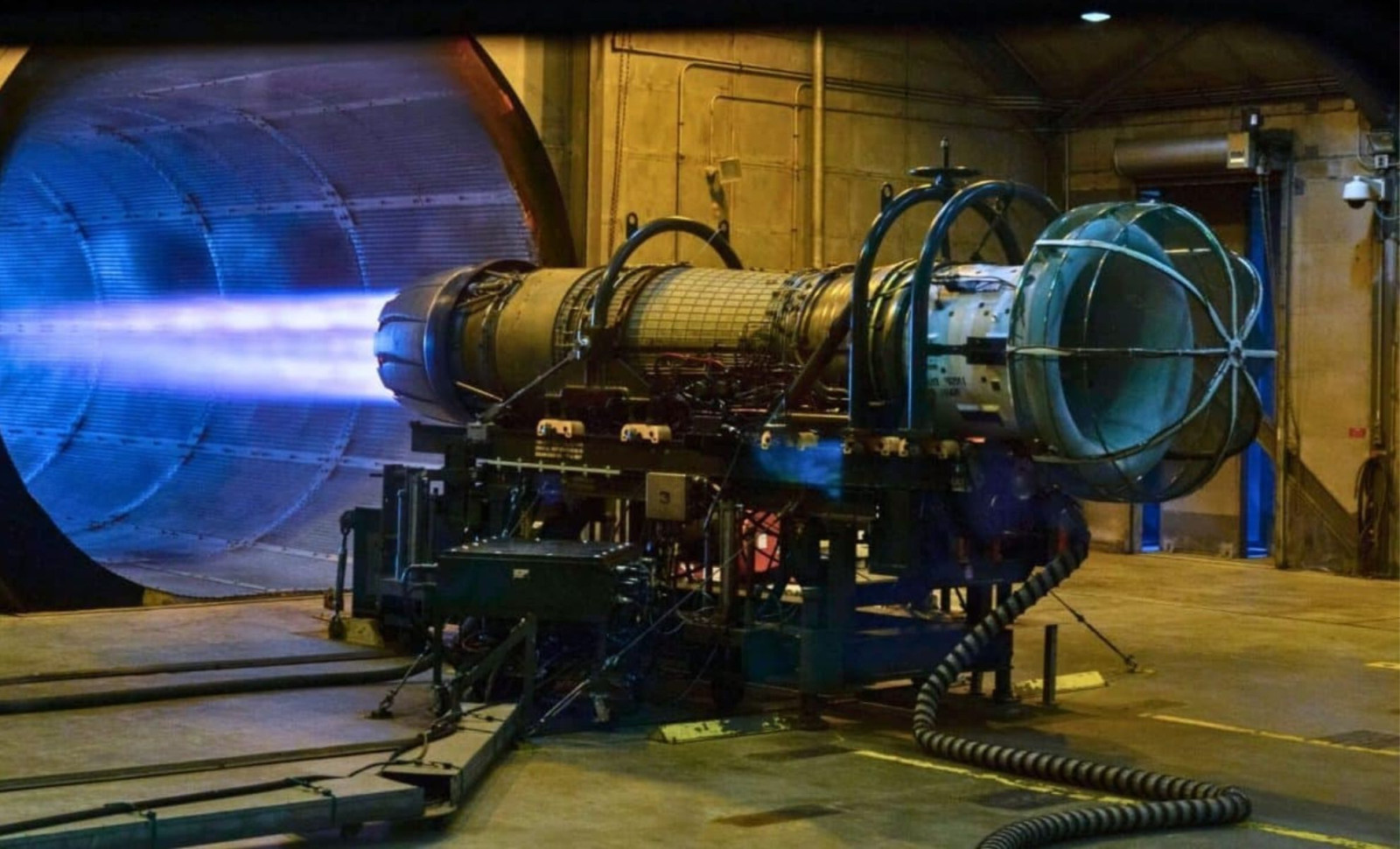
Traveling the vast 225 million kilometers separating Earth from Mars remains a critical hurdle for future space missions. Currently, chemical rockets, which have powered all space exploration to date, require about eight months to make the trek. However, scientists in Russia claim to have designed a new engine that transforms hydrogen into a plasma jet, potentially enabling a journey to Mars in just 30 days.
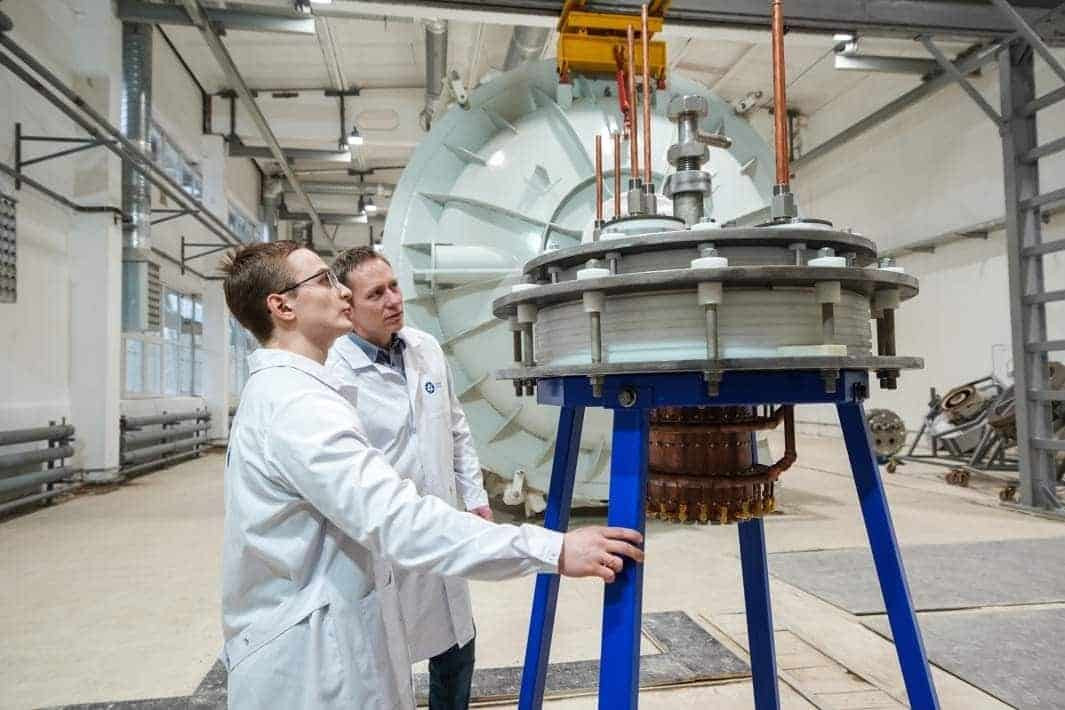
The propulsion technology is being engineered by Rosatom’s Troitsk Institute near Moscow and is undergoing rigorous testing in a 14-meter vacuum chamber that mimics the conditions of deep space. If the system meets expectations, it could revolutionize travel time between planets, reshape spacecraft design, and influence geopolitical competition for space dominance beyond Earth’s orbit.
Besides drastically cutting travel time, this innovation offers significant health benefits by limiting crew exposure to cosmic radiation and the effects of prolonged microgravity. It also paves the way for frequent cargo shipments and a continuous human presence on Mars. Despite these advantages, the jet’s reliance on an onboard nuclear reactor and comparatively low thrust raises questions about its readiness for space missions within this decade.

Achieving an Exhaust Velocity of 100 Kilometers per Second
The magnetoplasma accelerator propels charged particles—including protons and electrons—to speeds reaching 100 kilometers per second, according to Alexei Voronov, First Deputy Director for Science at Troitsk Institute. Voronov explained to Izvestia that traditional propulsion is capped at roughly 4.5 kilometers per second due to combustion limits. This next-generation engine, however, employs electromagnetic fields to accelerate charged particles instead of relying on fuel burning.
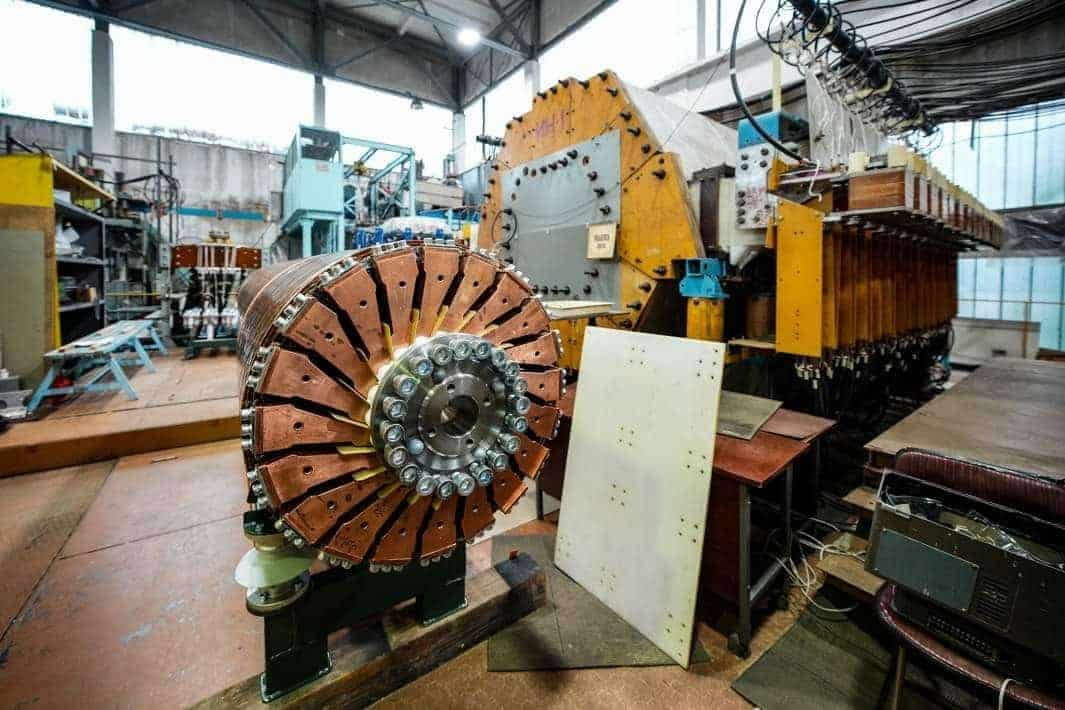
Konstantin Gutorov, the project’s scientific advisor, noted that the prototype operates in a pulsed mode at about 300 kilowatts. Previous testing suggests the engine could function for more than 2,400 hours, adequate for a Mars mission. Current efforts focus on validating performance under these pulsed conditions.
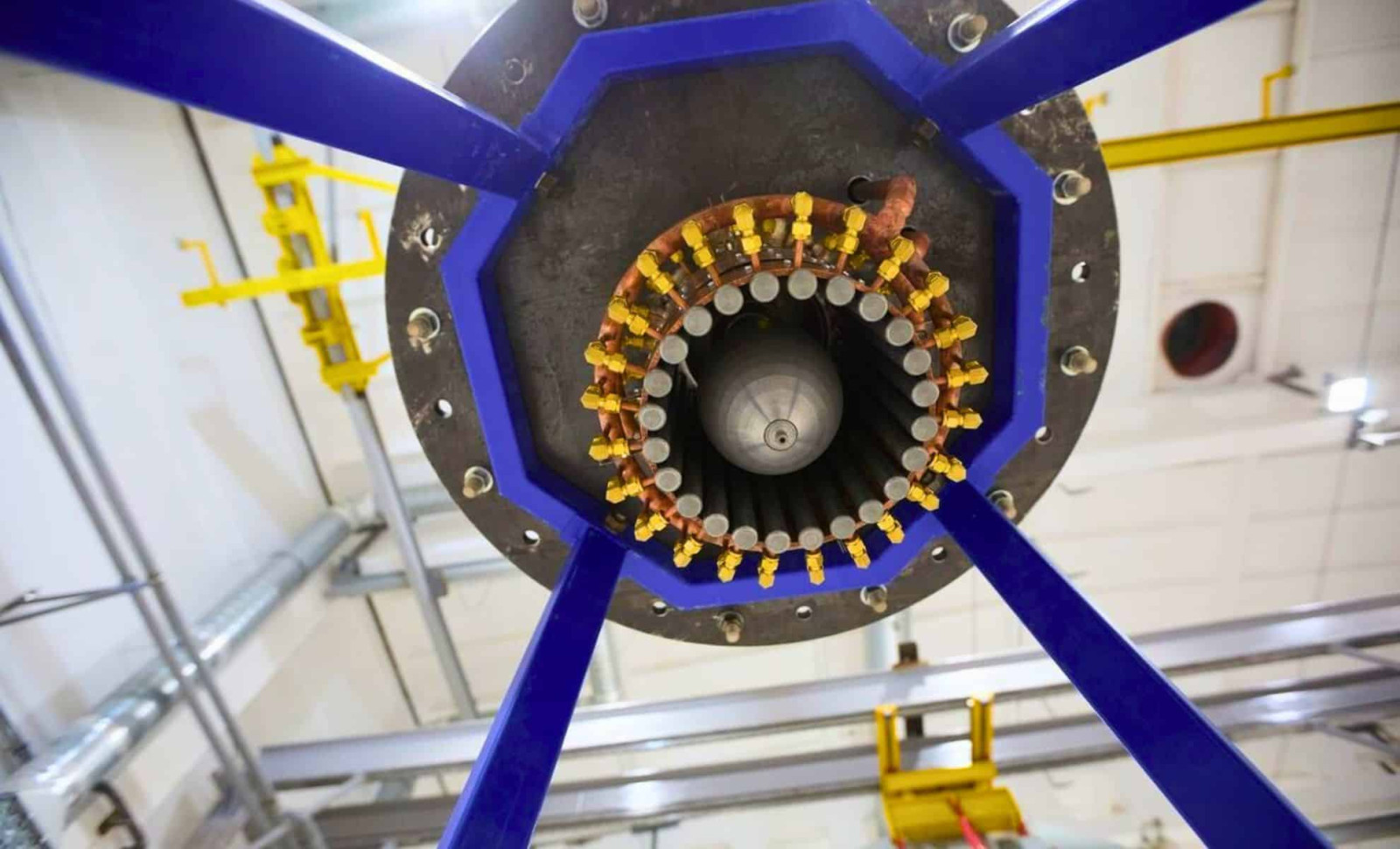
Egor Biriulin, a junior researcher involved in the project, described the engine’s fundamental operation: two electrodes generate a high-voltage magnetic field between them, which accelerates charged particles outwards. This plasma thrust system doesn’t require excessive heating, which minimizes component wear and improves conversion efficiency of electrical energy into propulsion.
With an estimated thrust of approximately 6 newtons, Biriulin claimed it tops the thrust capabilities among similar technologies in development. A spacecraft propelled by this system would undergo gradual acceleration and deceleration phases throughout its voyage to Mars.
Hydrogen Fuel Paired with Nuclear Power
This engine isn’t intended for launching spacecraft from Earth. Conventional rockets would first carry the vehicle into low-Earth orbit, where the plasma engine would then power the interplanetary trip. A compact nuclear reactor onboard would supply the continuous electrical energy needed to create the electromagnetic fields that accelerate the hydrogen working fluid.
Biriulin highlighted two key benefits of hydrogen: its low atomic mass allows for high exhaust velocity with modest fuel consumption, and its universal abundance may one day support refueling missions using resources harvested off-world. Rosatom aims to unveil a flight-capable model by 2030.
Well-Established Plasma Propulsion Roots
Nathan Eismont, a principal scientist at the Russian Academy of Sciences' Space Research Institute, told Izvestia that Russian plasma thrusters are already operating on satellites in the OneWeb network for orbit adjustments and deorbiting. He also mentioned that NASA’s Psyche asteroid mission, launched in 2023, includes Russian plasma engines.
Eismont pointed out that conventional plasma thrusters typically produce jet speeds ranging from 30 to 50 kilometers per second. By achieving velocities near 100 kilometers per second and utilizing hydrogen, the Troitsk engine could elevate global space propulsion to unparalleled heights. Recent coverage from TechSpot places this Russian breakthrough among cutting-edge propulsion efforts underway in the U.S. and China.
Challenges Before a Mars Mission
Progress toward a 2030 operational prototype hinges on completing comprehensive ground tests, securing consistent funding, and independent verification of the claimed performance. To date, no peer-reviewed research has been published, and the engine hasn’t been tested in space conditions.
Space-qualified nuclear reactors are a rarity. Deploying fissile material in orbit involves strict regulatory clearance from national and international agencies. Additionally, Rosatom has kept the reactor’s specifics confidential. Integrating such reactors into manned spacecraft will require addressing intricate engineering problems related to thermal control, radiation protection, and delivering reliable high-power electricity—challenges still unresolved.
In 2025, Igor Maltsev, head of RSC Energia, publicly questioned Russia’s space enterprise, warning that ambitions had outpaced actual capacities. His comments highlight how far the technology still is from becoming dependable flight hardware.
Worldwide Efforts to Speed Up Interplanetary Travel
Russian progress coincides with similar ventures globally. NASA is backing the Pulse Plasma Rocket and Variable Specific Impulse Magnetoplasma Rocket from Ad Astra Rocket Company in Texas, which target Mars trip durations of 45 to 60 days, as noted by TechSpot.
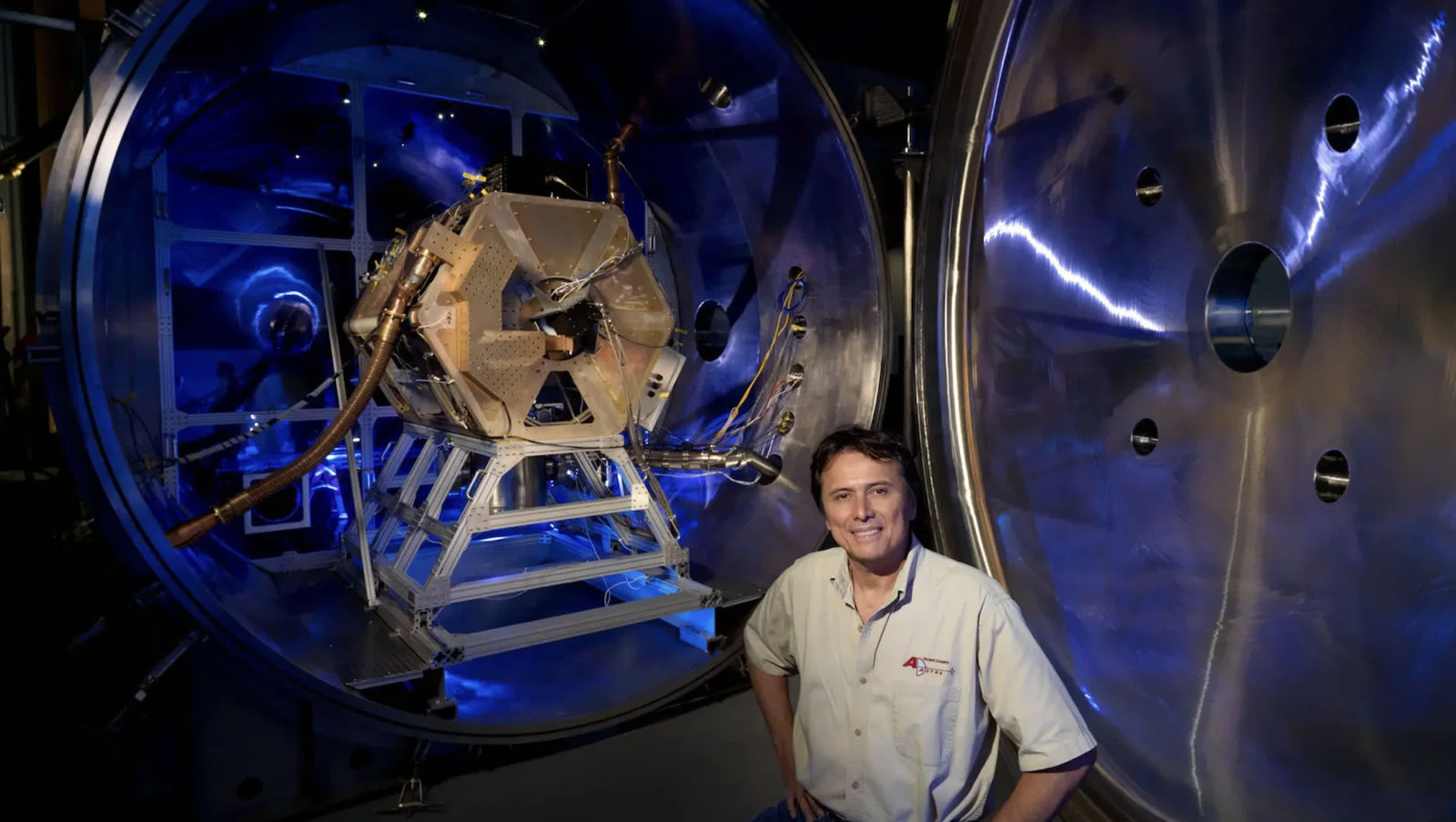
Chinese researchers at the Xi’an Aerospace Propulsion Institute claim to be advancing a high-thrust magnetic plasma engine, according to state media. Meanwhile, scientists at Wuhan University are investigating how ionized gases could improve plasma-based propulsion for high-altitude flight, suggesting a possible new thrust method within Earth's atmosphere.
The worldwide investment in plasma propulsion mirrors a shared understanding: while chemical rockets unlocked access to space, fast interplanetary travel demands innovative technologies. Rosatom aims to have a flight-ready engine by 2030, contingent on successful tests, ongoing funding, and independent validation of its capabilities.
- Categories:
- Space











0 comments
Sign in to Comment