
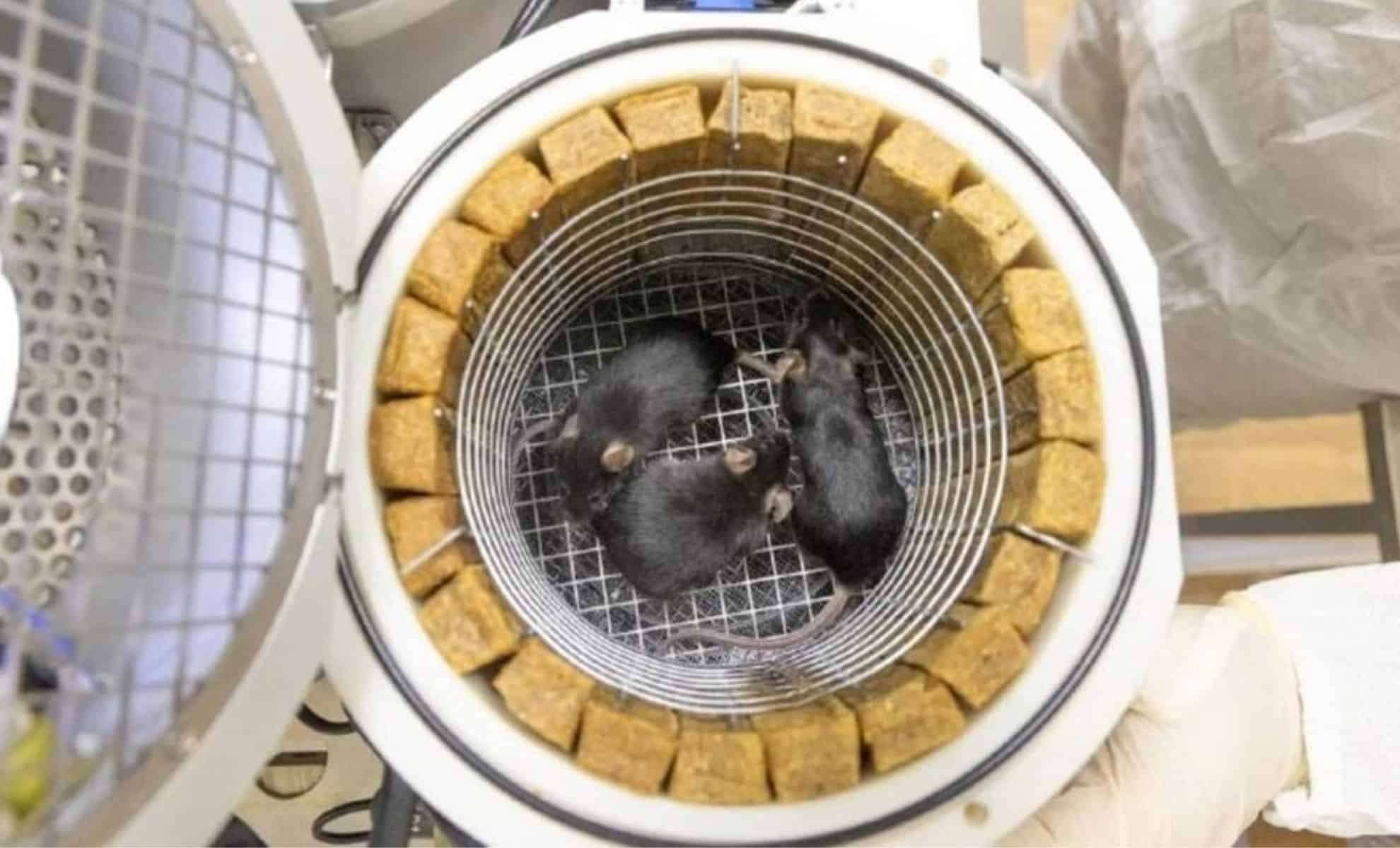
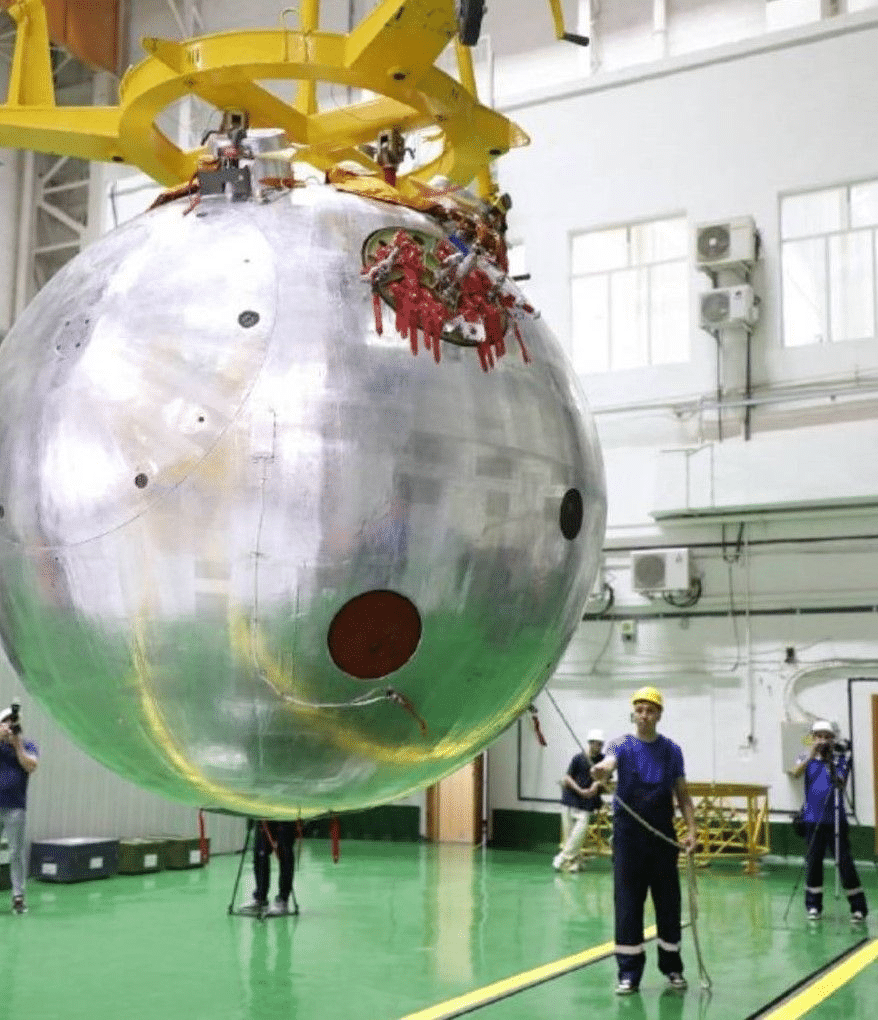
On August 20, 2025, Russia plans to send the Bion-M No. 2 biosatellite into orbit aboard a Soyuz-2.1b rocket launching from Kazakhstan’s Baikonur Cosmodrome. This mission aims to deepen our understanding of how spaceflight influences living organisms. According to Space.com, the biosatellite will carry 75 mice, over 1,000 fruit flies, and various biological specimens during the 30-day spaceflight to observe their responses to high radiation levels. The research will provide essential knowledge related to biological risks of deep-space travel and long-duration missions.
Nicknamed “Noah’s Ark” due to its diverse biological cargo, the mission will also transport lunar simulants—synthetic dust and rocks resembling those found on the Moon's surface. These materials will be returned to Earth for analysis of their reactions to cosmic radiation and vacuum exposure, which will support future lunar construction efforts. The mission's data will enhance understanding of microgravity and radiation effects on organisms, advancing space medicine and astronaut health.
Studying Space Radiation Impact on Mice and Other Specimens
A central experiment aboard Bion-M No. 2 focuses on how space radiation alters mice biology. Chosen for their genetic closeness to humans, quick life cycles, and radiation sensitivity, these mice will be split into three groups: one maintained on Earth under normal conditions, another kept in an Earth-bound flight environment as a control, and a third exposed to 30 days in orbit. This design enables detailed comparisons of biological changes linked to space environment exposure.

The mice will be closely monitored through specialized units equipped with feeding, lighting, ventilation, and waste management systems. Advanced cameras and sensors will relay continuous health data, while some animals will have implanted chips to track physiological shifts. Upon return, analyses will reveal how space conditions affected their biology and their ability to readapt to Earth’s gravity. These insights will shed light on long-term impacts of space environments on living beings and associated risks.
Testing Lunar Simulants for Future Moon Habitat Construction
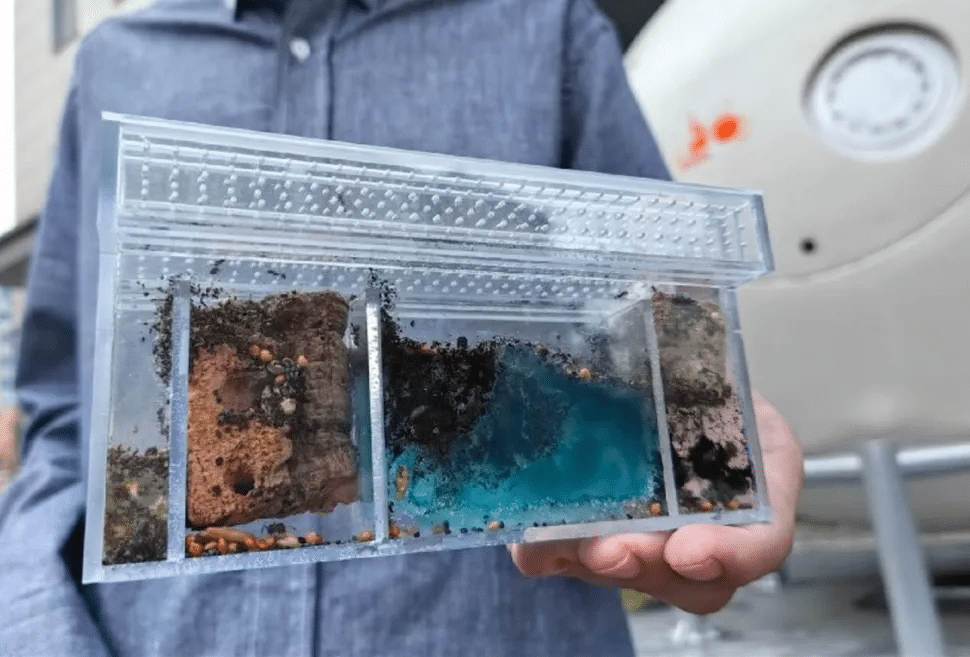
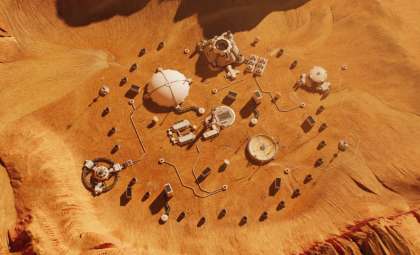
The mission also carries lunar simulants replicating Moon surface dust and rock, particularly from lunar high-latitude regions. The goal is to analyze how exposure to space radiation and vacuum affects these materials. This research holds major importance for upcoming lunar base initiatives, as using native materials for construction will be vital for establishing sustainable habitats. After returning to Earth, the simulants will be examined for any space-induced changes.
Cooperation between the Vernadsky Institute and the IMBP highlights the scientific value of testing these building materials in orbit. Results will provide critical data to understand material behavior under space conditions, helping inform moon colonization strategies.
Understanding Spaceflight’s Effects on Biological Health
The Bion-M No. 2 mission will deliver crucial data on how microgravity and radiation jointly influence biological systems. Researchers seek to determine factors that accelerate biological degeneration during space travel. The findings will clarify how microgravity alters organisms' sensitivity to radiation, influencing planning for deep-space exploration. This knowledge is expected to refine health protocols for astronauts on prolonged missions, improving safety and performance.
The inclusion of more than 1,000 fruit flies adds another dimension to the biological study, as these insects have short lifespans and well-mapped genetics. Examining various organisms aboard this mission will generate a broad dataset to better grasp the multifaceted effects of spaceflight on life.
Key Role of Radiation in Long-Term Space Exploration
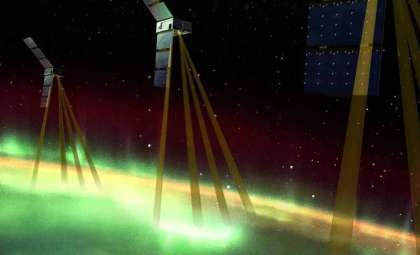
A pivotal focus of Bion-M No. 2 centers on space radiation, which is a significant concern for extended missions due to its harmful effects on biological tissues and increased cancer risks. The satellite will orbit with a nearly circular path at an inclination near 97 degrees, maximizing exposure to cosmic radiation. This orbit will deliver radiation levels roughly ten times higher than those experienced by its predecessor, Bion-M No. 1. By examining impacts on mice and other biological samples, this mission aims to uncover mechanisms of radiation damage and identify ways to counteract them for future moon, Mars, and beyond explorations.
Insights from this experiment will be instrumental in developing improved radiation shielding and health management technologies. Space agencies worldwide regard radiation protection as essential, and the outcomes of Bion-M No. 2 could drive advances in safeguarding astronaut wellbeing on long-distance space journeys.
- Categories:
- News







0 comments
Sign in to Comment