
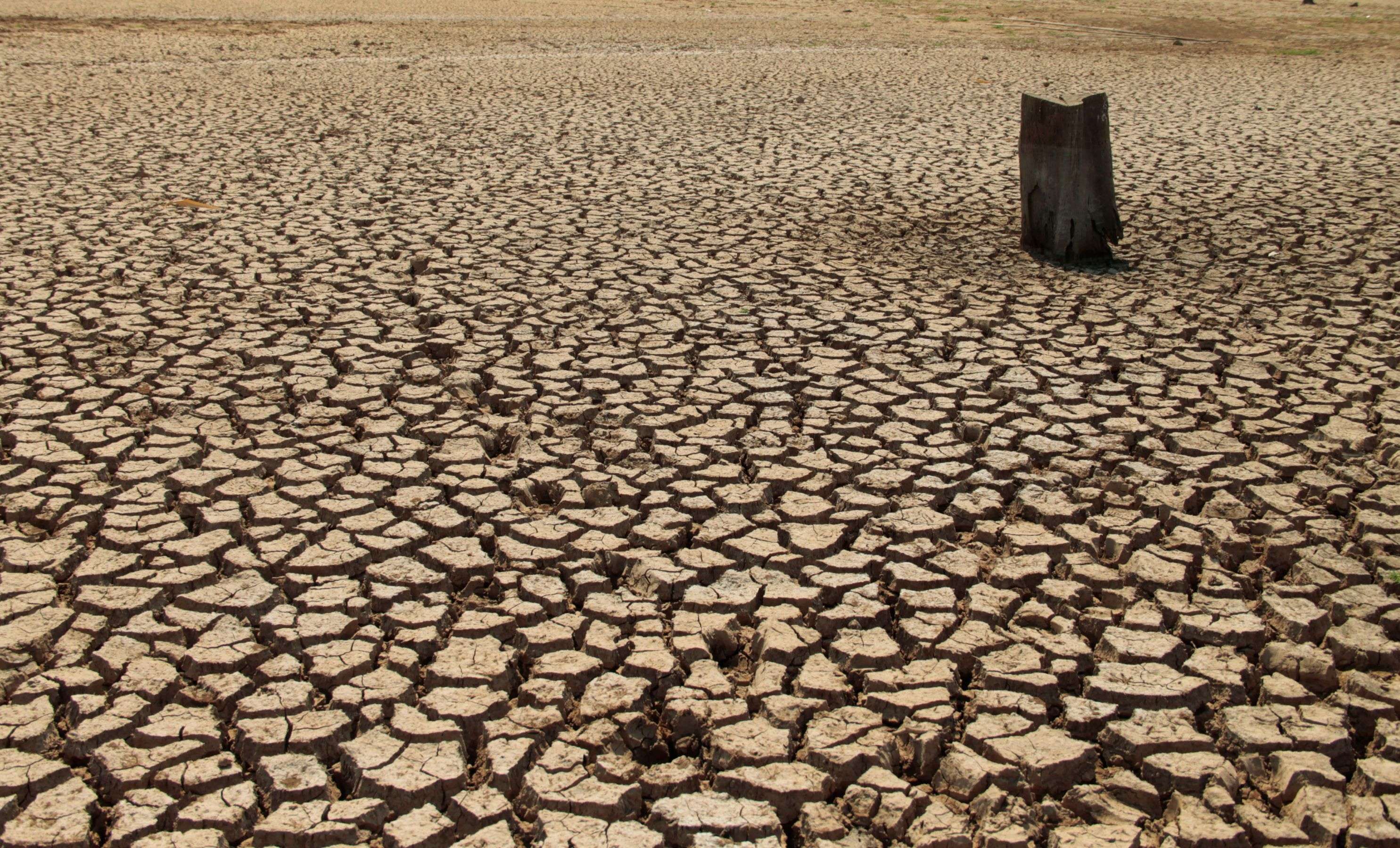
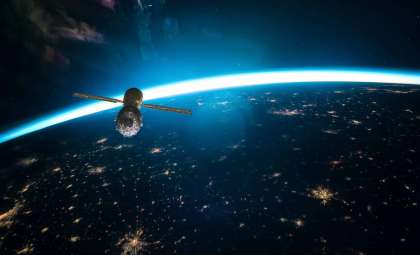
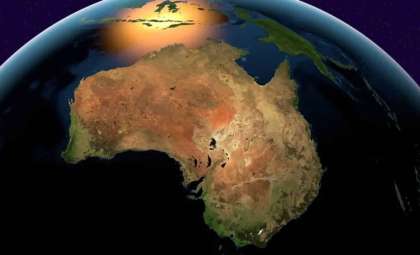
New insights from NASA’s GRACE satellites have unveiled an accelerating crisis: Earth’s continents are losing freshwater at an alarming pace.
Since 2002, freshwater reserves have been diminishing swiftly, with affected regions expanding every year. The data indicates that annually, the land area undergoing significant water loss grows roughly twice the size of California.
Expanding Dry Zones and the Global Water Challenge
These satellite observations identify several hotspots where water depletion is especially severe. The west coast of North America, including the southwestern United States, along with Central America, Southeast Asia, and the Middle East, are experiencing intense drying trends. These drought-prone zones face increasing threats to agriculture, public health, and climate resilience.

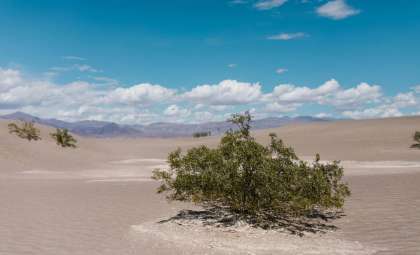
Alarmingly, three-quarters of the world’s population live in regions currently impacted by declining freshwater availability, highlighting the extensive ramifications of this phenomenon. The ongoing drying poses risks of accelerating desertification in already arid places, destabilizing ecosystems and communities.
Groundwater Overuse as a Key Factor
Excessive pumping of groundwater is identified as a critical driver behind the intensifying water deficit. This vital underground reservoir, crucial for drinking water and farming, replenishes far too slowly to match current extraction rates. Areas like California, where groundwater depletion is severe, are especially vulnerable. The unsustainable drawdown of these aquifers has ripple effects on water supplies.
As detailed in the report, ongoing groundwater depletion threatens both water access and food production worldwide. Researchers emphasize the urgent need for sustainable management, warning that “Groundwater is an intergenerational resource that is being poorly managed.”
Climate Change Intensifies Drought and Water Loss
GRACE satellite data further highlights how climate change worsens freshwater shortages through extended droughts and extreme weather. The satellites recorded a sharp uptick in water loss beginning in 2014, coinciding with a powerful El Niño event that disrupted global weather patterns, increasing temperatures and causing prolonged droughts in regions such as Africa.
This strong El Niño persisted until 2016, exacerbating drying trends and setting new global temperature records. While La Niña phases tend to offer brief cooling periods, they have not reversed the overall downward trend in freshwater availability.
Researchers also observe that areas once showing increased wetness are now experiencing reduced moisture gains or stagnation. The emerging pattern signals a broad shift: “even areas that previously showed tendencies to increased wetness are now getting drier or at least not getting wetter at the previously detected pace.”
- Categories:
- News


0 comments
Sign in to Comment