
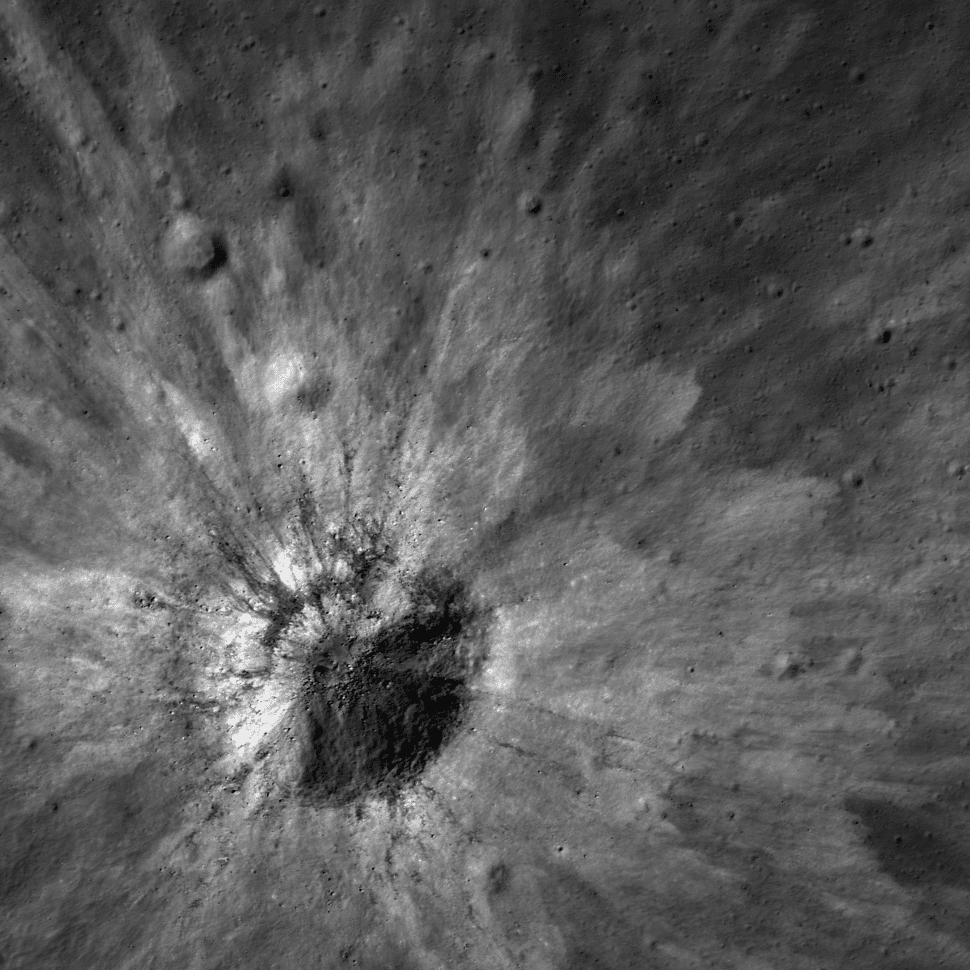
Recent satellite investigations into the Moon’s deepest craters have unveiled unexpectedly low amounts of water ice, raising concerns for upcoming lunar habitation endeavors. Scientists at the University of Hawaii at Mānoa, collaborating with international partners, have revisited data from the ShadowCam instrument aboard the Korea Pathfinder Lunar Orbiter (KPLO), leading to a significant downward revision of water ice estimates in the Moon’s permanently shadowed regions (PSRs). These findings suggest fewer accessible ice deposits than previously assumed, potentially complicating future missions dependent on local water sources.
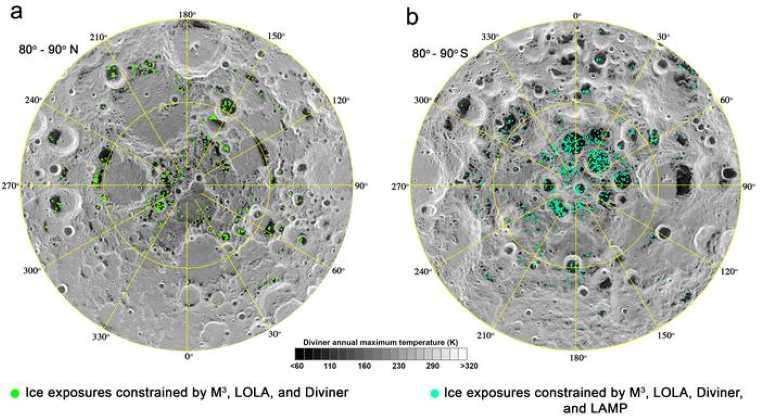
Back in 2018, experts at the University of Hawaii reported that up to 30% of the PSRs' surfaces might harbor water ice, a breakthrough hailed as essential for sustainable lunar exploration. The latest analysis challenges that view, indicating that the maximum ice concentration could be around 20%, which lowers the expected availability of water critical for human life support and resource utilization on the Moon.
Exploring Lunar Craters for Vital Ice Deposits
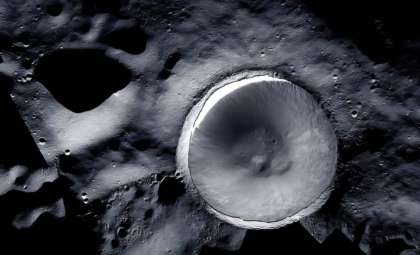
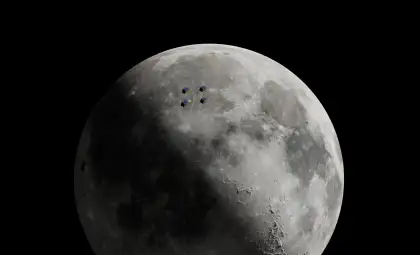
Identifying water ice on the Moon has been a high-priority goal for space missions given its invaluable role in supporting astronauts. Water can provide drinking supplies, oxygen, rocket fuel, and even materials for building habitats. In 2018, the University of Hawaii discovered exposed water ice on the lunar surface, particularly in permanently shadowed regions (PSRs) — areas in perpetual darkness where sunlight never reaches.

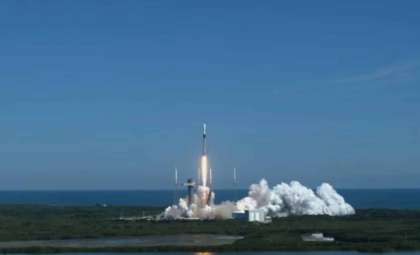
With the deployment of the ShadowCam on the KPLO spacecraft, launched in August 2022, researchers analyzed reflectivity patterns from these shadowed craters. Since water ice reflects light more efficiently than lunar soil, it serves as a prime indicator for remote sensing. Early evaluations suggested water ice concentrations ranged between 5% and 30% within the PSRs.
Graduate student Jordan Ando, part of Shuai Li’s research group, conducted a fresh examination of the high-definition images from ShadowCam and found the brightness levels were not as elevated as previously thought. This led to a revision, placing the water ice content at less than 20% on the lunar surface in these key regions.
Implications for Establishing Human Bases on the Moon
The discovery of lower-than-expected water ice concentrations in the Moon’s PSRs complicates plans for permanent lunar habitations. Water supplies are essential not only for life support but also for generating fuel and constructing infrastructure. Reduced surface ice availability means mission planners may need to alter their resource acquisition strategies to ensure viable long-term operations.
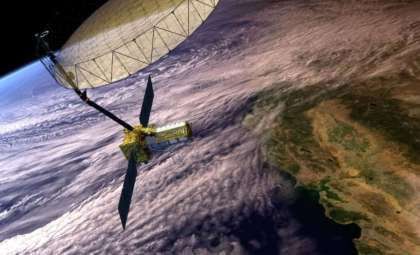
Nevertheless, efforts to locate water continue. Hidden reservoirs of ice beneath the lunar surface remain a possibility. Emerging technologies, such as the Cosmic Ray Radar under development, might revolutionize subsurface ice detection. Research led by Emily S. Costello from the Hawaii Institute of Geophysics and Planetology is focused on utilizing cosmic rays to penetrate the lunar crust and identify concealed ice deposits that could support future lunar settlers.
- Categories:
- News




0 comments
Sign in to Comment