
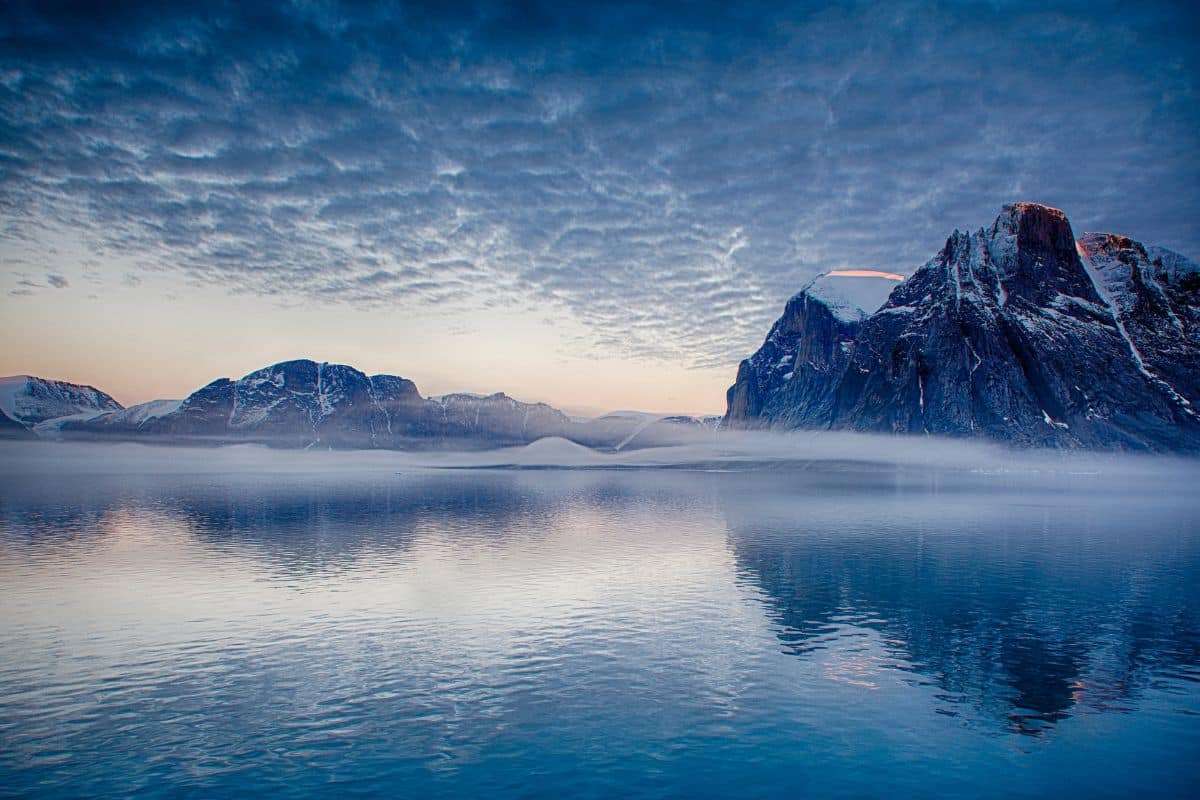
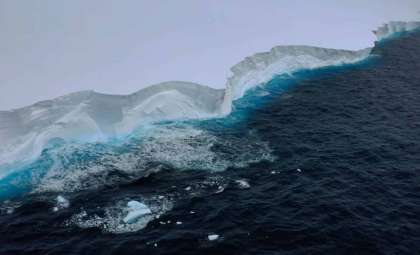
Greenland’s vast ice sheet is diminishing at an alarming speed, and new research indicates it may be nearing a point beyond recovery. Experts caution that a global temperature increase of just 3.6°F (2°C) could trigger an irreversible breakdown of the ice sheet, causing sea levels to rise by up to 23 feet (7 meters) and unleashing widespread environmental impacts.
Approaching a Critical Juncture
Researchers have closely tracked Greenland’s ice loss, which now amounts to 33 million tons every hour. The pressing question has been when this melting will become unstoppable. A recent report in The Cryosphere suggests that this tipping point may arrive sooner than anticipated.
Scientists developed a climate simulation to project Greenland’s ice sheet trajectory under various warming paths. Their findings show that surpassing 230 gigatons (253.5 billion tons) of annual ice loss could trigger a rapid, uncontrollable melting cascade.

Absent significant emissions cuts, this threshold might be crossed by century's end.
Unprecedented Scale of Ice Decline
Spanning 656,000 square miles (1.7 million square kilometers), Greenland's ice sheet is nearly three times larger than Texas. Alongside Antarctica’s ice sheet, it holds over 70% of Earth’s freshwater supply. Its disappearance would bring severe disruption to global coastlines, climate systems, and ocean circulation.
Greenland and Antarctica have already shed 6.9 trillion tons of ice since 1994, with melting rates accelerating continuously. Scientists insist that only aggressive reduction of carbon emissions can effectively slow this alarming trend.
Worldwide Impact of Melting Ice
The full loss of Greenland’s ice would be catastrophic, producing a 23-foot surge in sea levels that could inundate major coastal cities such as New York, London, Miami, and Shanghai. Entire island nations risk complete submersion.
Moreover, this melting disrupts vital ocean currents, notably the Atlantic Meridional Overturning Circulation (AMOC), which governs weather patterns across North America and Europe.
A collapse of the AMOC could amplify hurricanes, intensify heatwaves, and severely affect food production.
Potential Future Scenarios
Presently, the planet is about 2.65°F (1.47°C) warmer than in the late 1800s. While this increase might seem modest, experts warn it is dangerously close to a critical threshold. Projections for 2100 estimate a rise near 3.4°C, which could make ice loss irreversible.
Between 2000 and 2019, glaciers worldwide have lost roughly 294 billion tons of ice annually, accounting for 21% of the current rise in sea levels. If the current trend continues, the amount of lost ice each year could cover an area the size of Lake Superior.
Arctic Melting Accelerates
Greenland is not alone in experiencing drastic ice loss. The Arctic is warming almost four times faster than the global average. Researchers have recorded the disintegration of ice shelves in Greenland and the vanishing of Arctic “ghost islands,” which were actually melting icebergs.
Some scientists worry an irreversible point has already been passed, while others hold hope that swift global intervention can delay severe outcomes. However, the time to act is narrowing rapidly.
- Categories:
- News



0 comments
Sign in to Comment