
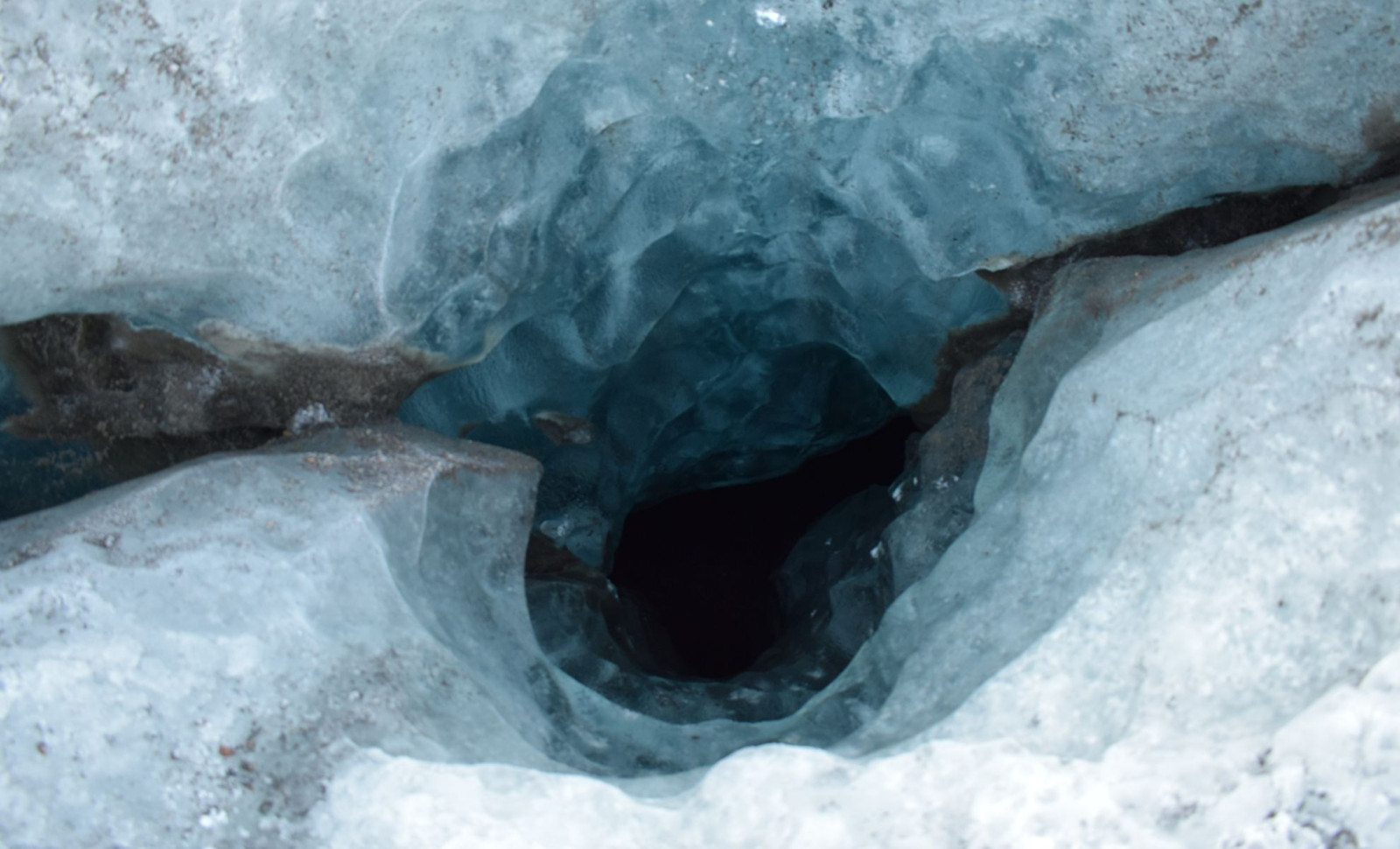
In a groundbreaking expedition to East Antarctica, researchers have uncovered ice containing ancient air bubbles that have remained undisturbed for approximately 6 million years. This discovery represents the oldest ice ever directly dated on our planet, providing an exceptional glimpse into Earth's atmospheric conditions from millions of years ago.
The remarkable find originates from the Allan Hills area, where an international research team examined ice core samples and published their seminal results in 2025 in the journal Proceedings of the National Academy of Sciences. The extent of the discovery surpassed initial expectations, revealing valuable new data about Earth's past.
The team noted that this ice significantly extends the known climate record beyond previously dated ice, granting access to a challenging era in Earth's climatic history.

Ancient Air Encapsulated in Microscopic Bubbles
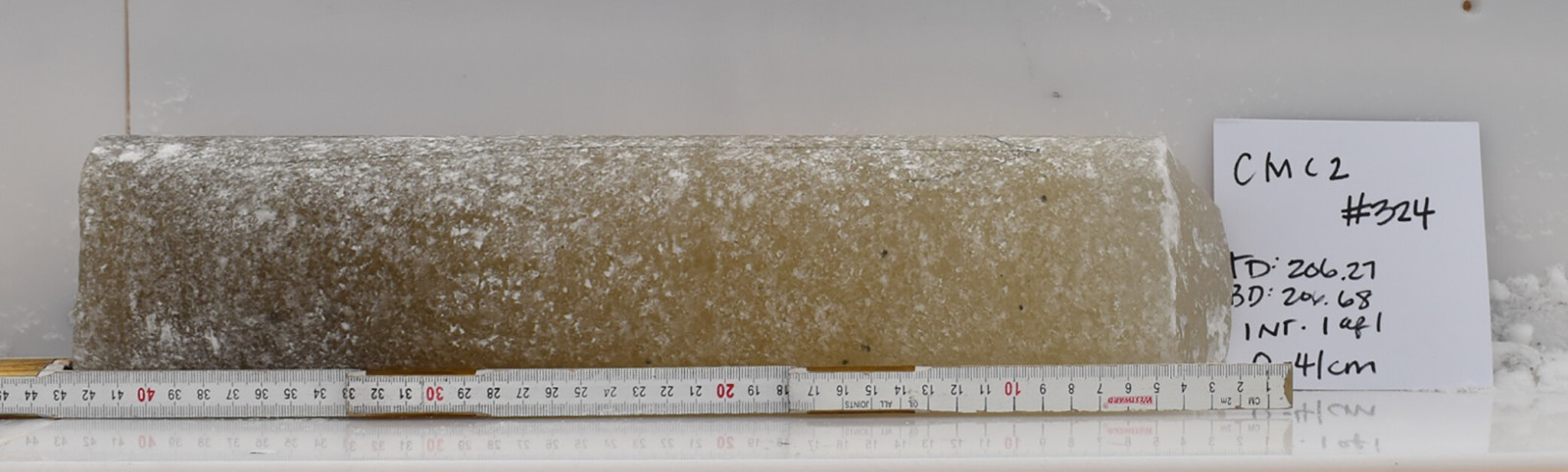
The recovered ice was more than just frozen water; it contained minute air pockets that have sequestered ancient atmospheric gases for millions of years. As reported in Proceedings of the National Academy of Sciences, the scientists analyzed isotopic signatures within these bubbles to reconstruct environmental conditions from this remote epoch.
Sarah Shackleton, a principal investigator at Woods Hole Oceanographic Institution, highlighted the discovery's importance in a statement:
“Ice cores are like time machines that let scientists take a look at what our planet was like in the past. The Allan Hills cores help us travel much further back than we imagined possible.”
Laboratory studies of the chemical makeup of the trapped air revealed that the region's temperature has dropped by about 12°C (22°F) over the past 6 million years. This cooling trend aligns well with prior evidence indicating that Earth experienced warmer climates during that time.
Unique Topography Brings Ancient Ice Close to the Surface
Extracting old Antarctic ice typically demands drilling to great depths, often over 2,000 meters (6,561 feet) in many East Antarctic locations. However, the Allan Hills site presented a far shallower prospect.
The researchers drilled to depths between 100 and 200 meters (328 to 656 feet) and retrieved long cylindrical ice cores. They explained that the region’s mountainous terrain combined with the slow movement of ice sheets caused much older ice strata to be pushed upward, exposing them nearer the surface. The team continues to investigate the factors that allowed such ancient ice to persist in this area.
Shackleton attributed these conditions to a blend of intense winds and persistent frigid temperatures, adding:
“Along with the topography, it’s likely a mix of strong winds and bitter cold. The wind blows away fresh snow, and the cold slows the ice to almost a standstill.”
She also mentioned that Allan Hills stands out as both a prime locale for locating shallow ancient ice and one of the toughest environments to conduct fieldwork.
Expectations Surpassed with Unexpectedly Ancient Ice
Although the team selected Allan Hills with the hope of uncovering ice dating to around 3 million years ago, they were taken aback by the unprecedented age revealed by their analysis. Ed Brook, COLDEX Director and paleoclimatologist at Oregon State University, explained their initial goal:
“We knew the ice was old in this region. Initially, we had hoped to find ice up to 3 million years old, or maybe a little older, but this discovery has far exceeded our expectations,” he explained in a statement published by Oregon State University Newsroom.
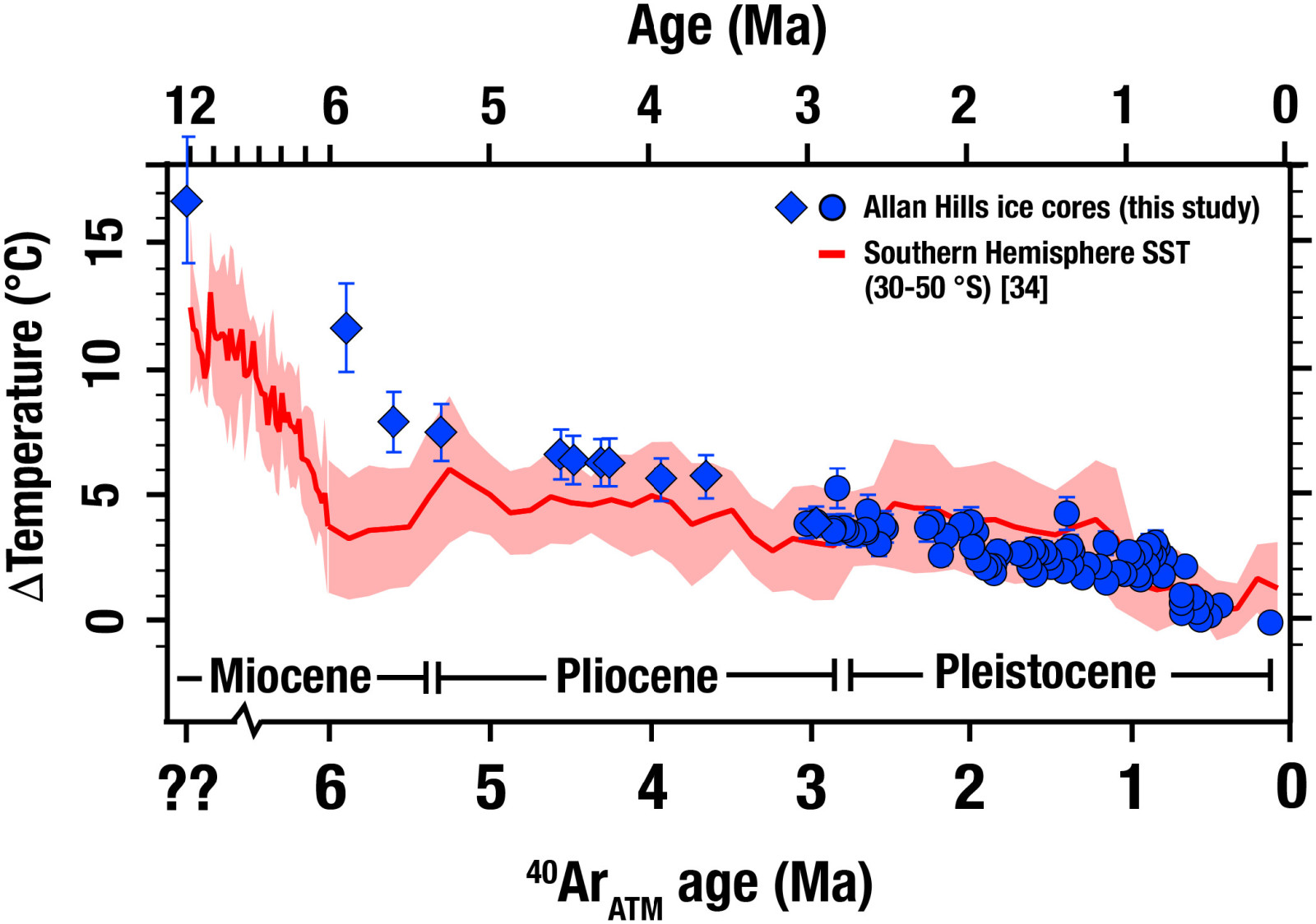
John Higgins of Princeton University noted the creation of a series of “climate snapshots” extending nearly six times further back in time than prior ice core records, complementing more recent Antarctic climate data.
Brook revealed that this landmark discovery has prompted plans for a more expansive study of the Allan Hills region.
“Given the spectacularly old ice we have discovered at Allan Hills, we also have designed a comprehensive longer-term new study of this region to try to extend the records even further in time, which we hope to conduct between 2026 and 2031.”
- Categories:
- Science












0 comments
Sign in to Comment