
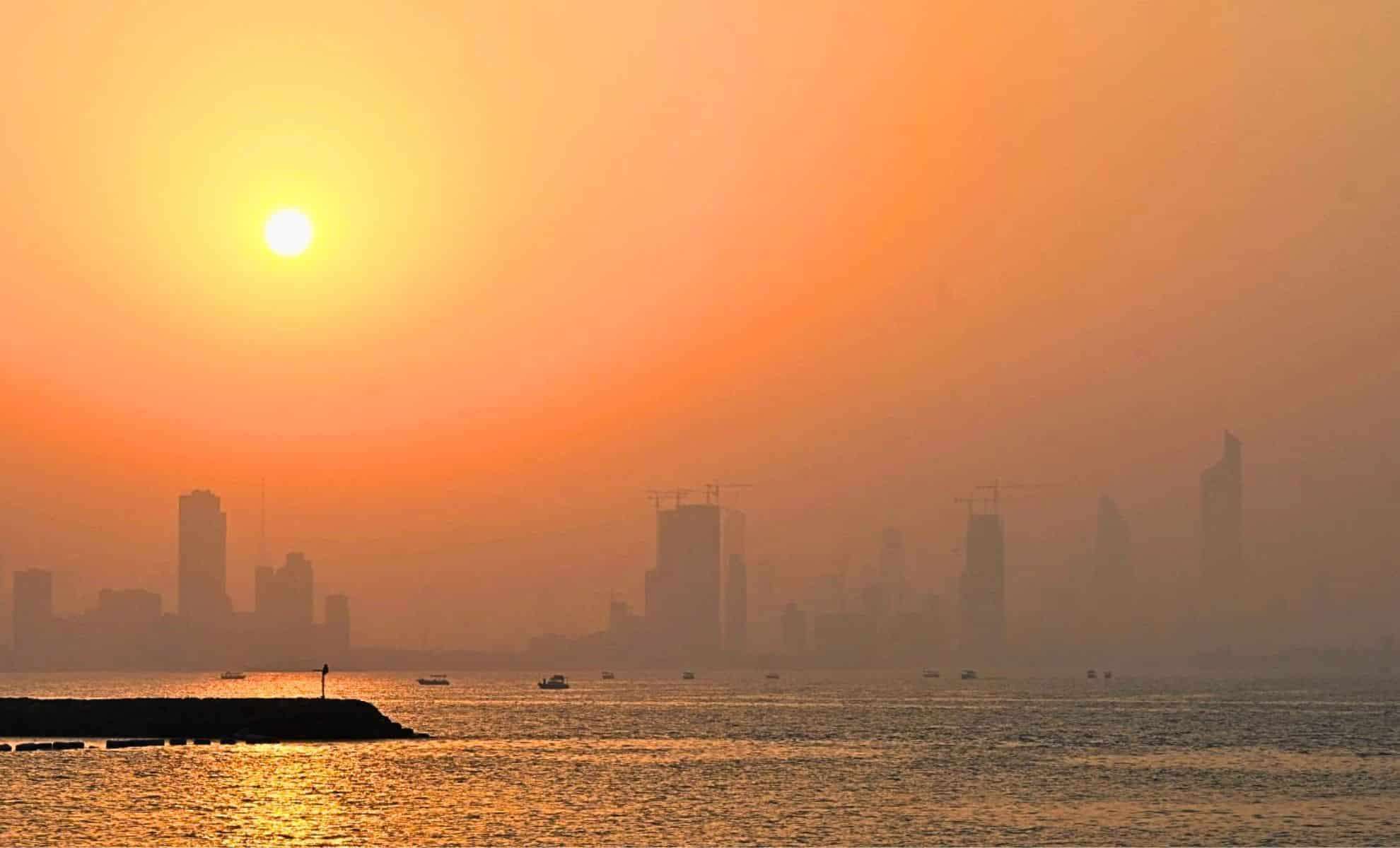
Since preindustrial times, global temperatures have already risen by 1.5°C. Should warming reach 2°C—a threshold emphasized in the Paris Agreement—extensive regions could become dangerously inhospitable for humans. A recent article in Nature Reviews Earth and Environment alerts that this modest temperature rise may expand unlivable land area threefold, threatening millions.
Growing Zones of Intense Heat
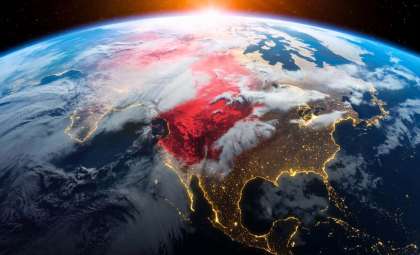
Current temperature increases are already transforming ecosystems and human life. However, an additional 0.5°C rise could drastically enlarge territories where humans cannot safely perform basic activities. At a 2°C increase, regions burdened by extreme heat stress could encompass an area comparable to the United States.
Older populations are even more vulnerable. People over 60 have diminished heat tolerance, suggesting that up to 35% of Earth's surface may become too hazardous for sustained exposure, up from 21% at present.

Understanding Human Heat Limits
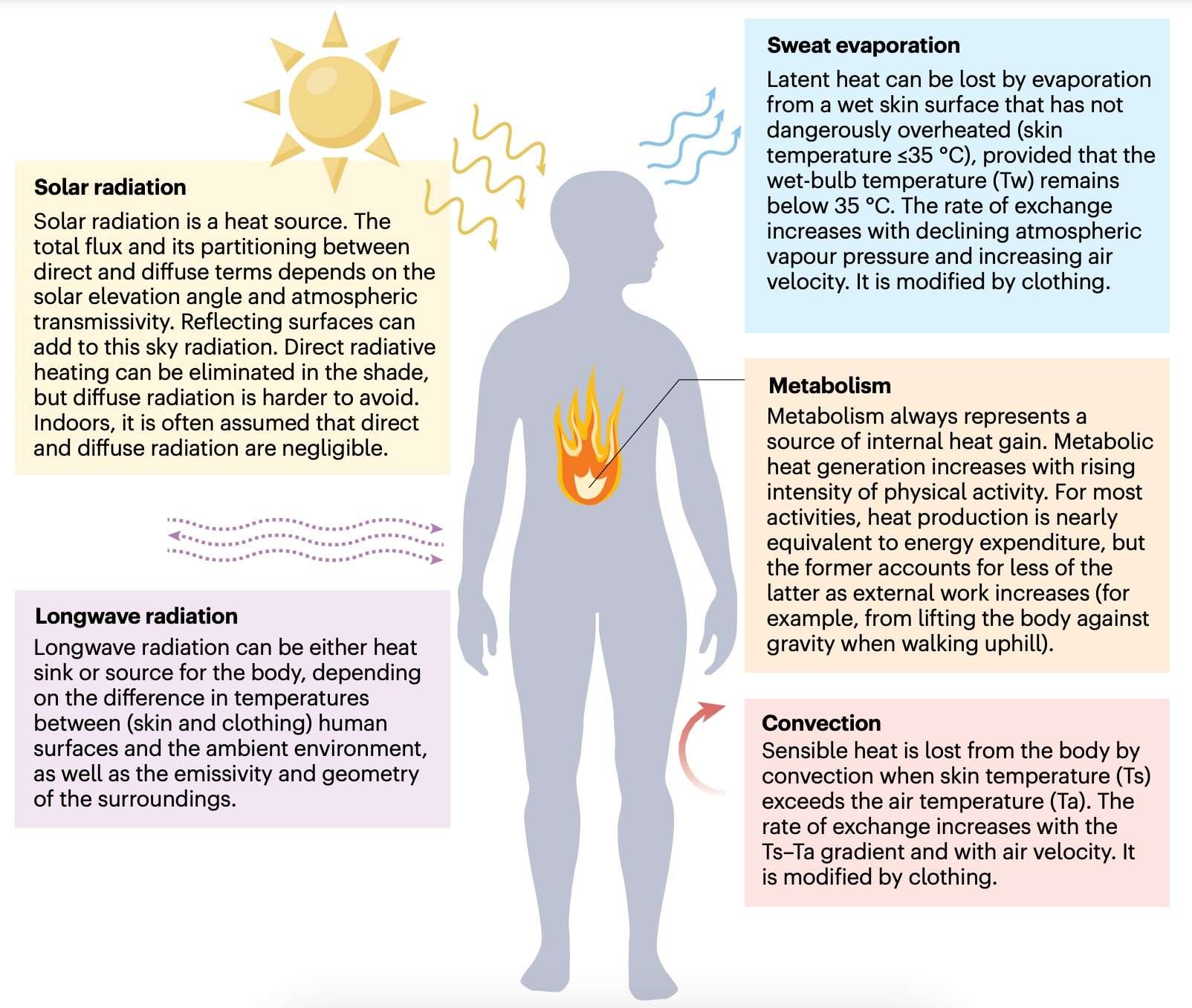
Human bodies regulate temperature through sweating, convection, and metabolic changes. But beyond certain environmental limits, these mechanisms fail. Researchers identify two key heat stress thresholds:
- Uncompensable heat: Occurs when the body gains heat faster than it can shed it—even when shaded and well-hydrated. Currently impacting outdoor workers, firefighters, and athletes, this condition could become far more common.
- Unsurvivable heat: Reached when the core body temperature hits 42°C (107.6°F) within six hours, causing fatal heatstroke. At 2°C warming, this danger significantly increases for older adults. If global warming reaches 4–5°C, even healthy young people, especially in tropical regions housing 40% of humanity, would face extreme hazards.
Recent Heat Waves Push Human Endurance to the Edge
Extreme heat episodes in recent years have tested human limits in several hotspots. Locations such as the Persian Gulf, Indo-Gangetic Plain, southern U.S., Mexico, and Australia have faced temperatures challenging even the healthiest individuals.
“During such heat, extended outdoor presence—even in shaded, breezy settings with adequate hydration—can lead to deadly heatstroke,” warns Tom Matthews, a prominent climate researcher at King’s College London.
Potential Consequences Beyond 2°C Warming
A 4°C rise in temperature would render nearly 40% of Earth's land inhospitable to physically healthy adults. Only high-latitude regions and some cooler mid-latitude areas might remain livable.
The outlook is worse for those over 60, as 60% of the planet’s surface could experience uncompensable heat stress, severely limiting daily functioning.
Mitigation and Adaptation Are Vital
The most effective response lies in cutting fossil fuel emissions and safeguarding natural carbon reservoirs like wetlands and forests. Equally important is adapting to evolving conditions.
“As more locations endure climates beyond human tolerance, providing consistent access to cooler spaces will be critical,” explains Matthews.
Unchecked warming threatens to make prolonged outdoor activity in many regions perilous, necessitating unprecedented societal adjustments. Decisions made today will resonate across future generations.
- Categories:
- Science








0 comments
Sign in to Comment