
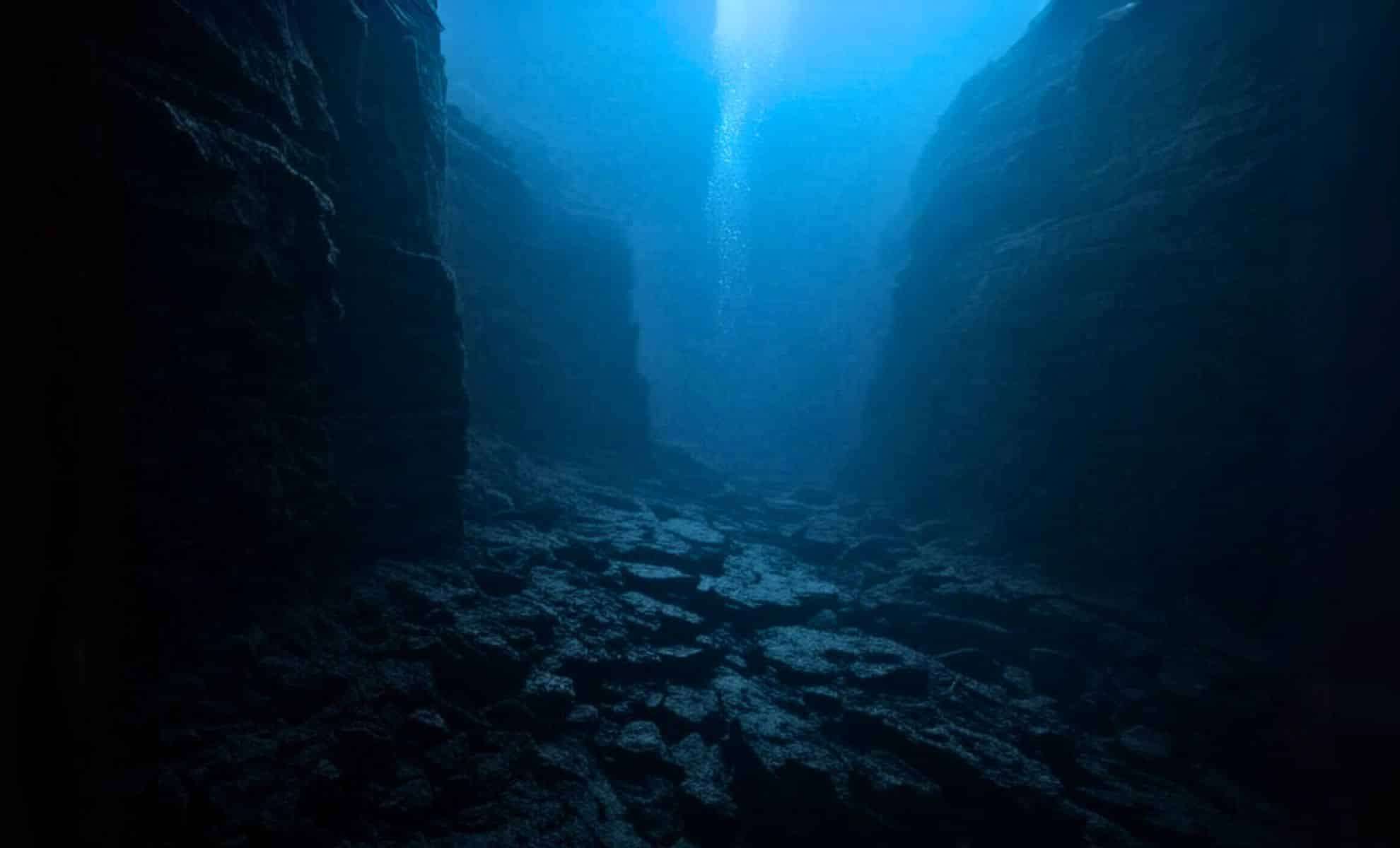
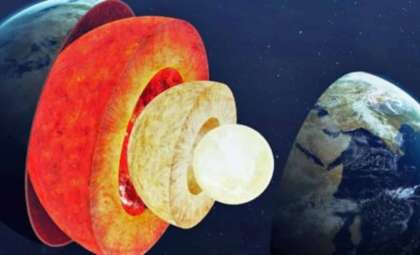
Far below Earth's crust, scientists have uncovered a remarkably well-preserved ancient ocean floor that has been concealed for hundreds of millions of years. This groundbreaking observation, made possible through advanced seismic techniques, provides unprecedented insights into the dynamic processes operating deep within our planet since the age of dinosaurs.
A Buried Prehistoric Seafloor Lies Within the Mantle
Led by Jingchuan Wang, a postdoctoral scholar at the University of Maryland, the research identifies a dense segment of oceanic crust that descended deeply into Earth's mantle, effectively preserving a crucial piece of the planet's geological past.
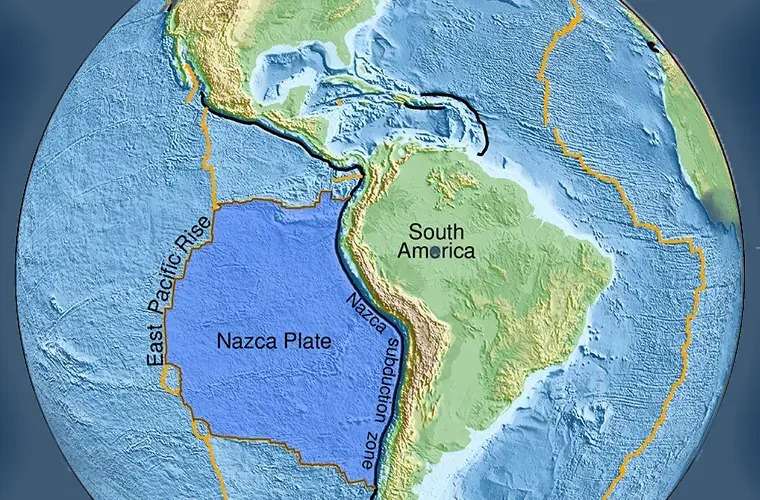
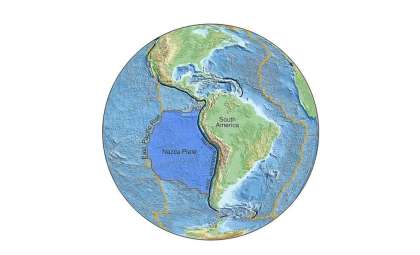
Employing seismic wave imaging, the team investigated the East Pacific Rise, a tectonically active region where oceanic plates diverge. Although this area has been well-known geologically, its subsurface features remained largely unexplored until now. Below the surface, the researchers detected a thick, dense formation unlike any mantle structures previously documented.

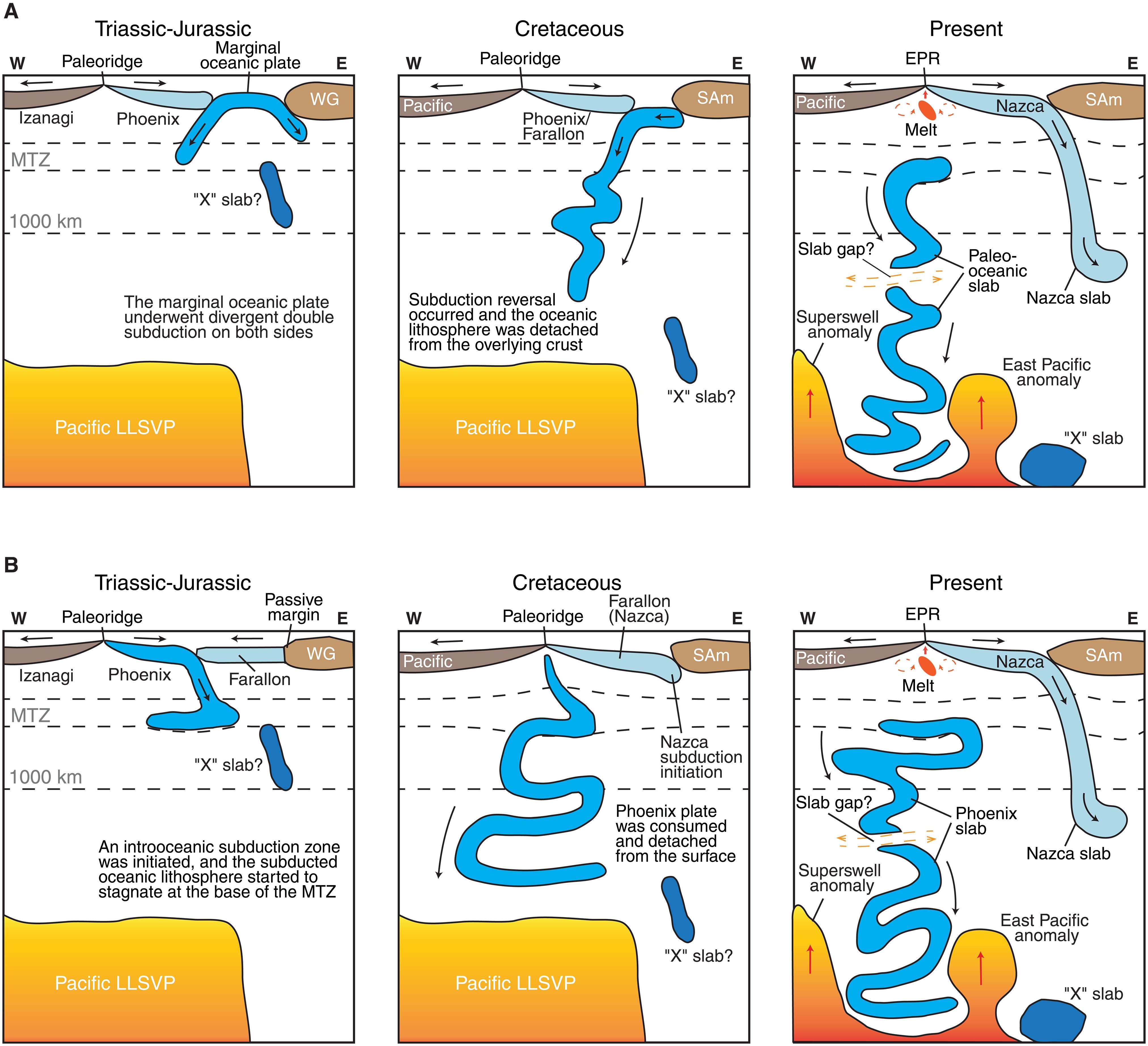
By tracking how seismic waves change speed through various underground materials, the investigation revealed the presence of an ancient oceanic slab that was subducted approximately 250 million years ago, remaining intact deep within the Earth ever since.
Reconsidering Established Views on Mantle Dynamics
The findings, published in the journal Science Advances, challenge long-standing assumptions about mantle evolution. Previously, it was believed that subducted oceanic crust rapidly dissolved and mixed within the mantle. Contrary to this, the data indicate that these slabs can persist for hundreds of millions of years, significantly impacting our understanding of plate tectonic activity.
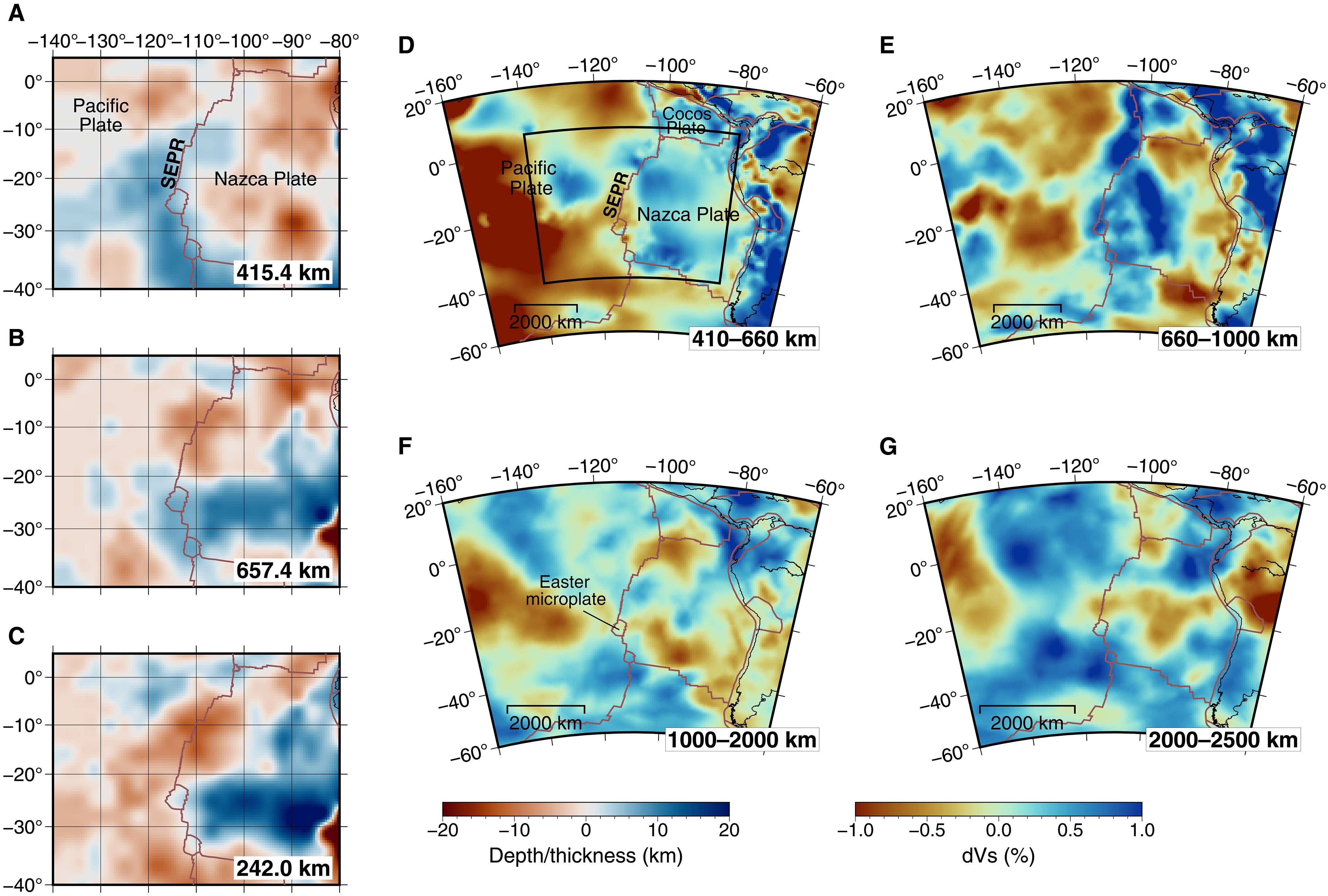
The researchers leveraged seismic imaging techniques comparable to medical CT scans, monitoring seismic wave patterns generated by earthquakes to construct highly detailed images of deep mantle structures. Their results identified an unusually thick segment in the mantle transition zone, found between depths of 410 and 660 kilometers.
This transition zone forms the dividing line between Earth's upper and lower mantle and varies in thickness depending on environmental conditions such as temperature and material composition. Discovering a dense layer here suggests that some subducted oceanic plates might become trapped at this boundary, contrary to older models expecting complete descent into the lower mantle.
A Slowly Descending Remnant from Earth's Past
An unexpected revelation from the study is that this buried oceanic crust within the mantle transition zone is descending at a much slower rate than previously anticipated. The colder and denser nature of this material seems to impede the sinking of subducted slabs.
“We found that in this region, the material was sinking at about half the speed we expected,” Wang explained.
This means that oceanic crust subduction is not a rapid disappearance into Earth's interior but a prolonged process that leaves significant traces influencing the planet’s deep structure over extensive time periods.
The Importance of This Discovery
Gaining a clearer understanding of how subduction affects the inner Earth is key to studying natural phenomena such as volcanic eruptions, earthquakes, and the development of oceanic trenches. Traditionally, research has focused on surface geological evidence, but this seismic approach delves far deeper.
The findings shed light on how mantle structures react over extensive timescales, raising intriguing questions about their influence on Earth's surface conditions far from the original subduction sites.
One particularly fascinating implication is that the detected fragmented Pacific Low Shear Velocity Province, a seismically complex mantle region, may be associated with the deeply buried seafloor unveiled in this study.
Unraveling Earth's Ancient Geological Record
This is only the start of mapping Earth’s concealed tectonic history. Wang and his collaborators aim to investigate additional locations across the Pacific Ocean and other areas worldwide. Their goal is to compile a comprehensive map of dormant ancient subducted slabs.
This research further links subterranean mantle processes with volcanic behavior on the surface. When subducted matter heats and rises, it triggers mantle upwelling, leading to volcanic activity.
Better insights into subduction mechanisms, mantle transition zone properties, and the distribution of Large Low Shear Velocity Provinces (LLSVPs) will refine our knowledge of how Earth's crust evolves over millions of years.
Implications for Earth's Geological Future
This discovery reshapes the perspective on mantle circulation and reveals that numerous ancient features might still lie hidden deep inside the Earth.
“We believe that there are many more ancient structures waiting to be discovered in Earth’s deep interior,” Wang stated.
Unearthing these mantled relics offers valuable clues to Earth’s geodynamic history and may also shed light on geological processes on other planets.
The research counters the outdated view of the mantle as a homogenous, slowly convecting region. Instead, it highlights a complex and dynamic interior layered with materials moving at different speeds, recycled through geological cycles lasting hundreds of millions of years.
The East Pacific Rise’s concealed oceanic crust exemplifies Earth's constant cycle of tectonic destruction and renewal, ongoing for eons beneath our feet.
- Categories:
- Science


0 comments
Sign in to Comment