
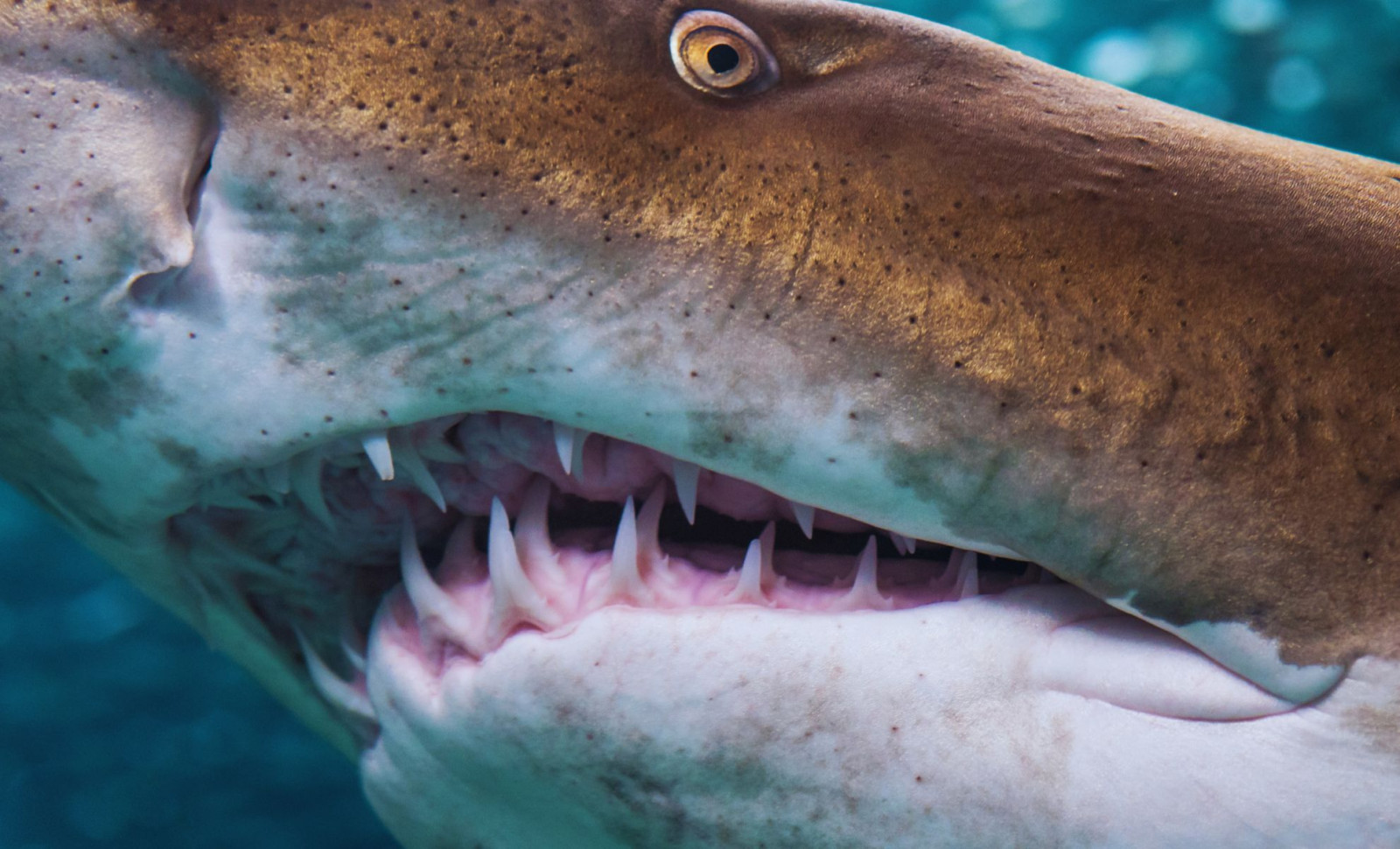
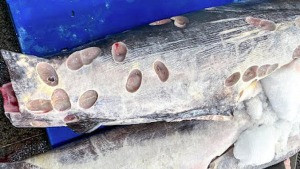
After years of puzzling over the precisely round scars seen on a variety of fish and marine mammals, scientists have at last uncovered the culprit. Researchers from the University of Hawaii at Manoa have, through extensive analysis of bite data and environmental conditions over a decade, identified the distinctive feeding habits of the elusive cookiecutter shark.
These modest-sized but fierce sharks have left undeniable imprints on prized commercial species such as swordfish and bigeye tuna, as well as on man-made objects like submarines and on various marine mammals. The findings, published in Marine Ecology Progress Series, represent the most thorough examination of this species to date.
A Decade of Tracking a Rare Predator
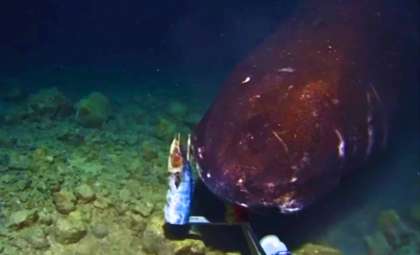
Although rarely seen, cookiecutter sharks (Isistius brasiliensis) have long been linked to distinctive bite wounds. The recent study collected data spanning 2011 to 2023, merging bite incidence records and observed encounters with environmental data to develop a detailed behavioral model of the shark. Their approach uniquely blended field biology, computational modeling, and insights from traditional Polynesian fishing knowledge.

By integrating contemporary science with indigenous observations, researchers have pieced together an in-depth understanding of a shark previously too elusive to study comprehensively.
Unique Feeding Technique
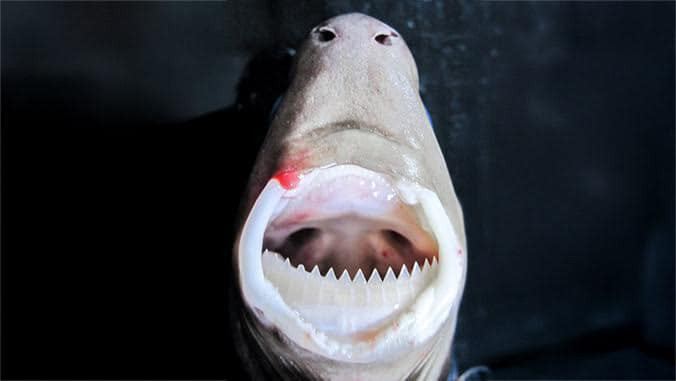
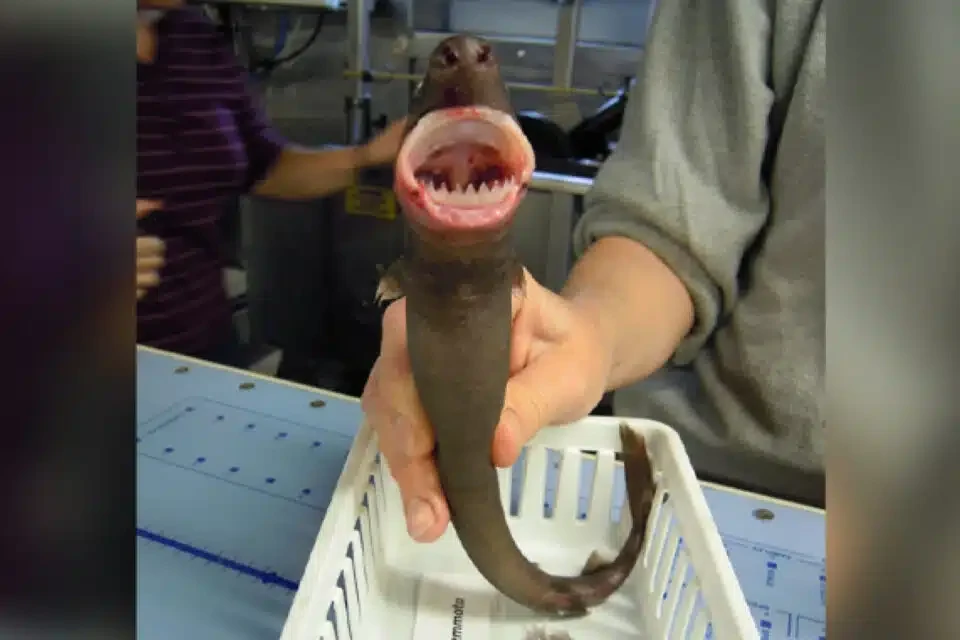
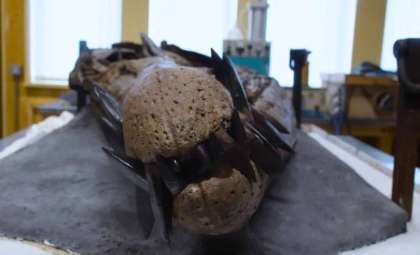
This shark is renowned for its rare method of feeding. Instead of consuming prey outright, it attaches with a suction-like mouth and spins to excise a perfect circular chunk of flesh, producing a near-surgical wound. The research explains the shark’s jaw anatomy is especially adapted, with up to 37 small, straight teeth in the upper jaw and 25 to 31 large, serrated teeth in the lower jaw.
Beyond this biological peculiarity, these swimmers—measuring about 20 inches—regularly shed all their teeth simultaneously and swallow them, likely to recycle calcium. Gizmodo points out that while cookiecutter sharks primarily prey on large fish and marine mammals, they have also been known to damage underwater devices and submarines. Despite this, human encounters are exceedingly rare and pose minimal risk.
Activity Linked to Moon Phases
The study of longline fisheries revealed that cookiecutter shark bites peak at night, particularly during new moon periods when darkness is at its most profound. These predators appear to utilize darkness for stealth attacks from deep water. Data showed that swordfish experienced more nocturnal attacks, whereas bigeye tuna were bitten more frequently during daylight.
These results imply that cookiecutter sharks adapt their prey selection based on light availability and prey habits. The team’s predictive models also accounted for environmental variables like sea temperature, salinity, and surface elevation, enabling precise estimates of where and when bite incidents are most likely. This knowledge may help fishermen reduce losses due to bite damage.
Confirming Indigenous Wisdom
The researchers validated their findings by consulting traditional Polynesian fishing accounts, which have long documented the mysterious circular bite wounds now confirmed to originate from cookiecutter sharks. These historical records establish the shark’s presence in Hawaiian waters well before scientific documentation. Co-author Donald R. Kobayashi of the Pacific Islands Fisheries Science Center noted the elusive nature of these sharks and the challenges in studying them.
“These enigmatic creatures have resisted formal study due to their habitat, behavior, and apparent rarity,” he said in a statement. “So it is quite gratifying to personally contribute some solid scientific knowledge towards understanding them and their ways.”
Though currently classified as Least Concern on the IUCN Red List, experts emphasize monitoring their populations closely as fishing intensifies and ocean conditions evolve.
- Categories:
- Science









0 comments
Sign in to Comment