
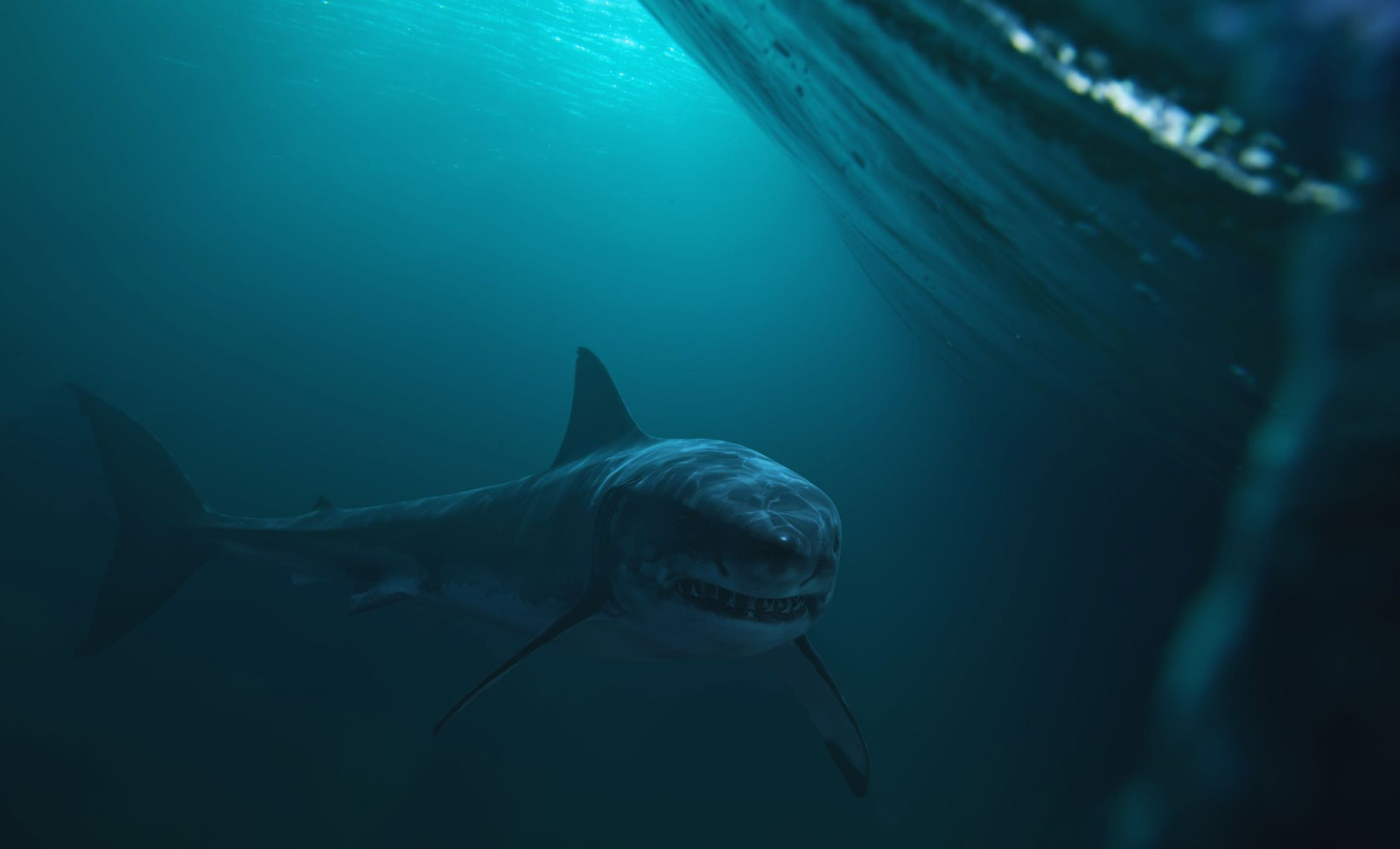
Researchers have uncovered the fossilized remains of a massive shark in northern Australia, challenging previous assumptions about when colossal ocean predators first appeared. This Early Cretaceous shark, measuring up to 8 meters in length, roamed the seas around 115 million years ago, substantially earlier than the well-known megalodon.
Experts believe this newly identified shark belonged to a lineage separate from the ancestors of megalodon, the 18-meter apex predator that dominated oceans much later. This find not only sets a new precedent for shark size at this period but also sheds light on a lesser-known era of shark development.
An Apex Predator From the Dinosaur Era
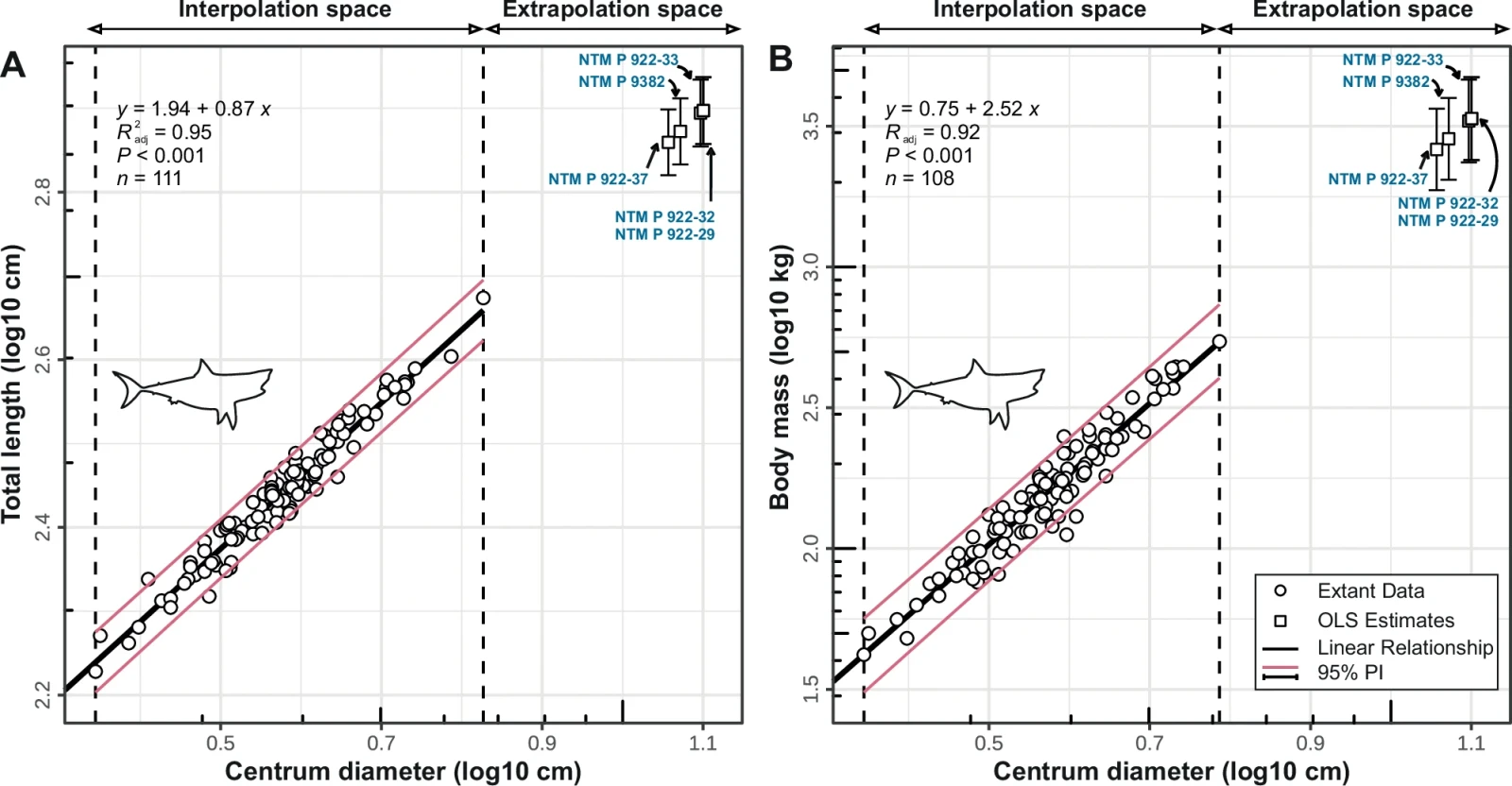
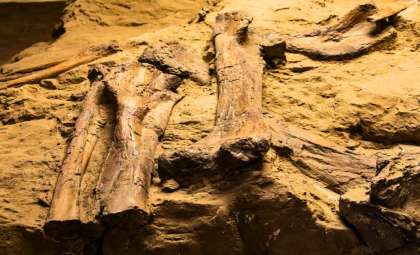
The fossilized vertebrae were extracted from marine sediment layers dating back to the Early Cretaceous, roughly 115 million years ago. Published in Communications Biology, the research estimates the shark’s length to be between 6 and 8 meters, with a weight of several tonnes. The fossilized bones have visible growth rings, which allowed scientists to analyze the shark’s age and growth patterns, a technique commonly applied in contemporary shark studies.

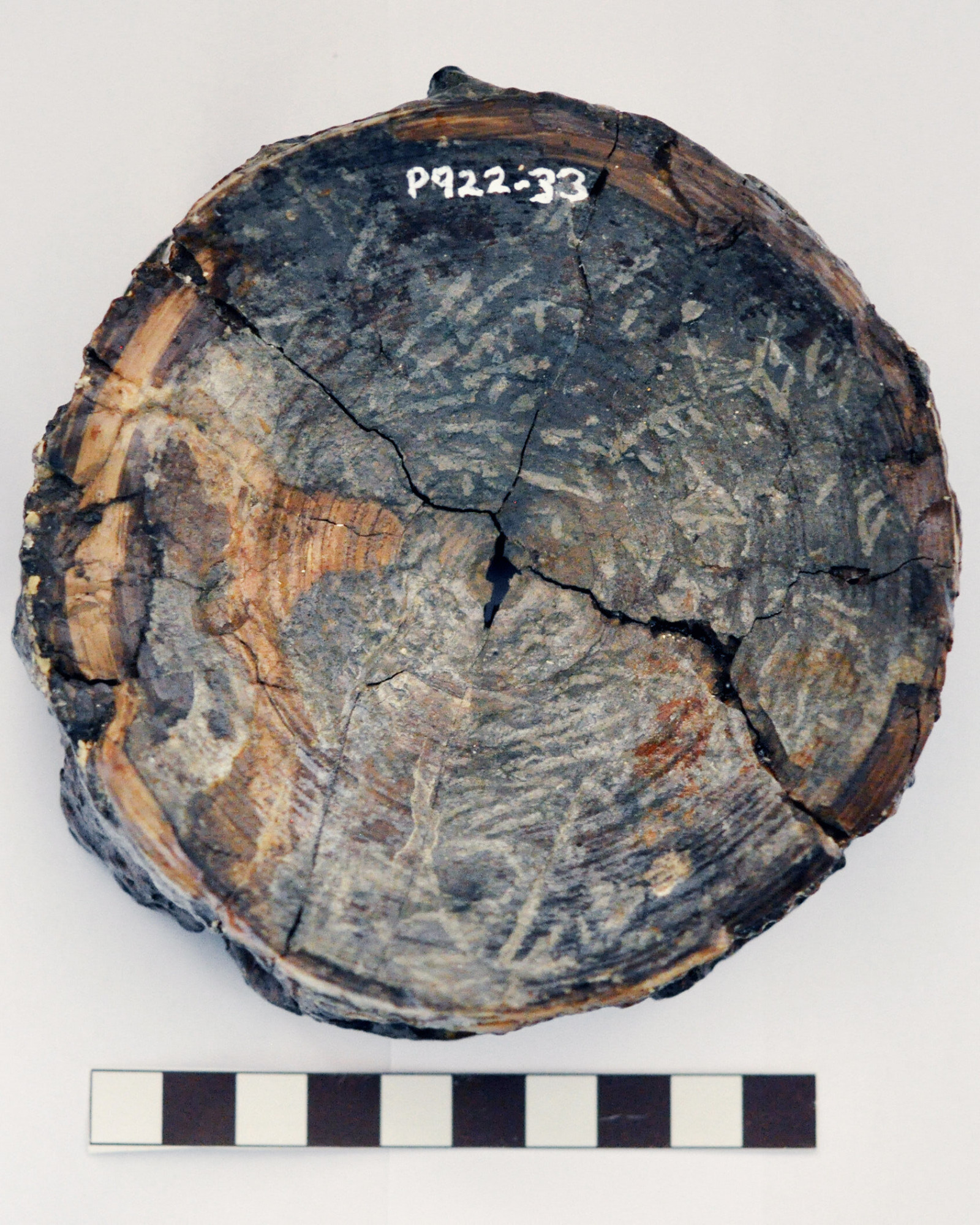
The remarkable preservation quality surprised researchers, since shark skeletons consist mainly of cartilage, which generally decays rapidly and rarely fossilizes. The vertebrae’s size and shape indicate a swift and resilient predator built for high performance in aquatic hunting.
A Divergent Evolutionary Path
Previously, scientists believed the rise of giant predatory sharks happened later in the Cretaceous. As Benjamin Kear, senior curator of paleobiology at the Swedish Museum of Natural History and co-author of the study, remarked:
“It would’ve looked for all the world like a modern, gigantic shark, because this is the beauty of it.” he added, “This is a body model that has worked for 115 million years, like an evolutionary success story.”
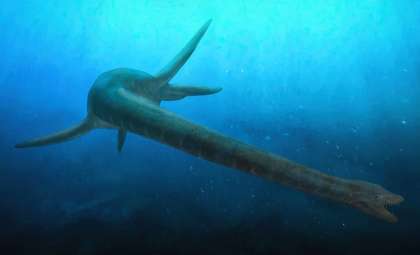
The research suggests this ancient shark shared its environment with marine reptiles such as plesiosaurs and likely competed for resources. Its impressive size indicates it was a dominant predator, long before later species rose to ocean supremacy.
Australia’s Growing Role in Fossil Discoveries
A report from the Western Australian Museum’s website highlights how this discovery emphasizes Australia’s significance in the study of marine vertebrate evolution.
While many renowned shark fossils have been found primarily in Europe and North America, this fossil places Australia prominently at the forefront of research on the origins of ocean giants. Ongoing geological investigations promise more insights into ancient marine ecosystems.
“This is where our modern world begins,” stated Kear. “By looking at what happened during past shifts in climate and biodiversity, we can get a better sense of what might come next.”
- Categories:
- Science








0 comments
Sign in to Comment