
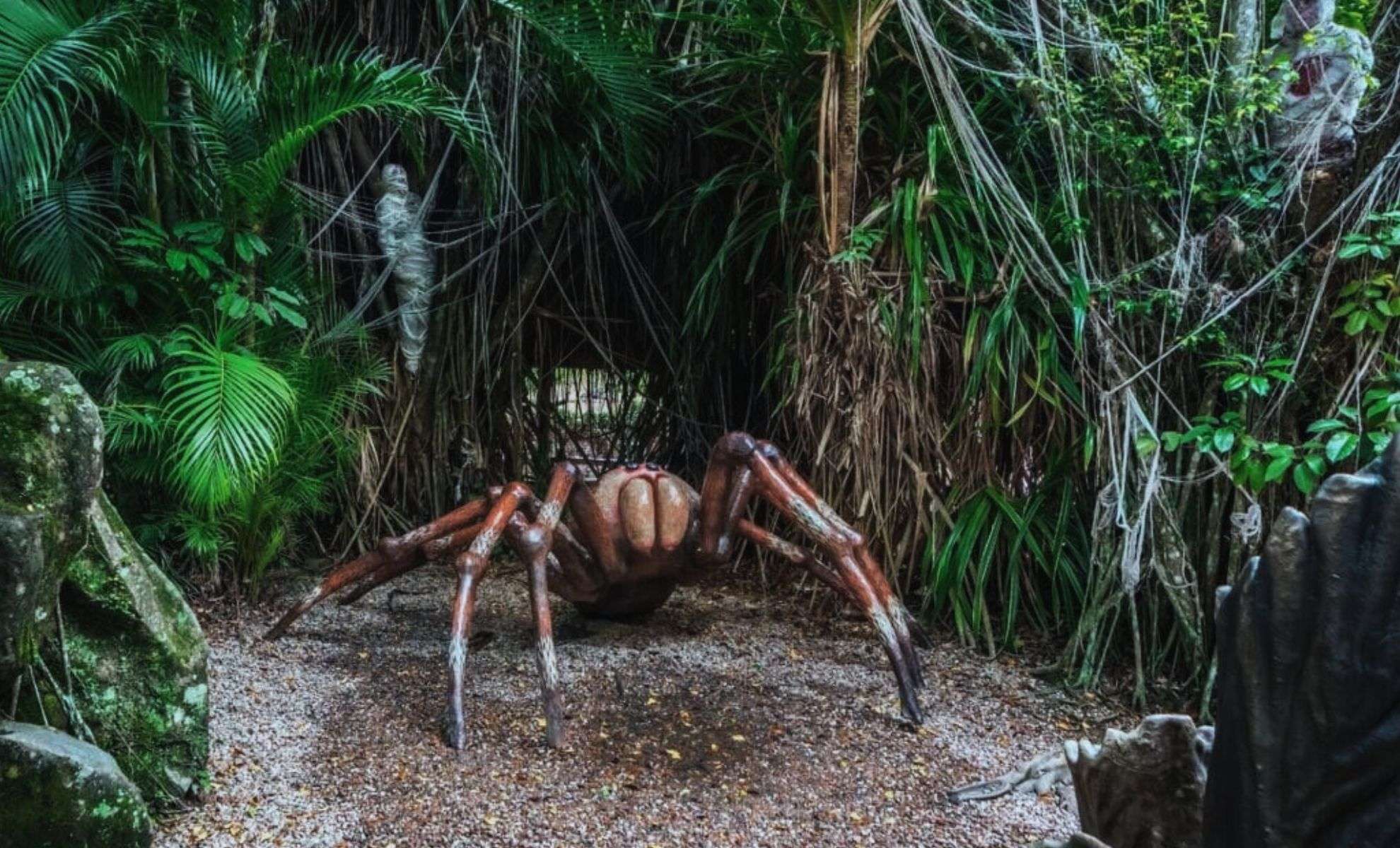
Researchers have uncovered a fossilized spider in eastern Australia’s grasslands that stands as the largest spider fossil ever identified on the continent and possibly ranks among the largest worldwide.
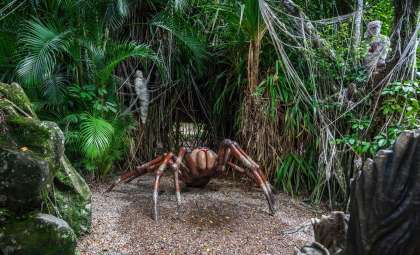
Named Megamonodontium mccluskyi, this spider was characterized in a peer-reviewed article featured in the Zoological Journal of the Linnean Society. With a body length of 23.3 millimeters, it is approximately five times bigger than its nearest living relatives found in Southeast Asia. While modest in absolute measurement, within the realm of trapdoor spiders, it is extraordinarily large.
Interestingly, this fossil is from an extinct branch of brush-footed trapdoor spiders (Barychelidae), a family whose modern species primarily inhabit tropical areas like Papua New Guinea and Singapore. This fossil marks the first global discovery of a Barychelid spider fossil and is only the second mygalomorph spider fossil unearthed in Australia—a group that includes tarantulas and trapdoor spiders.

“We rarely find spider fossils in Australia,” said Dr Matthew McCurry of the Australian Museum, lead author of the study. “This is a major missing piece in our understanding of how spiders evolved on the continent.”
McGraths Flat: A Window into an Ancient Rainforest
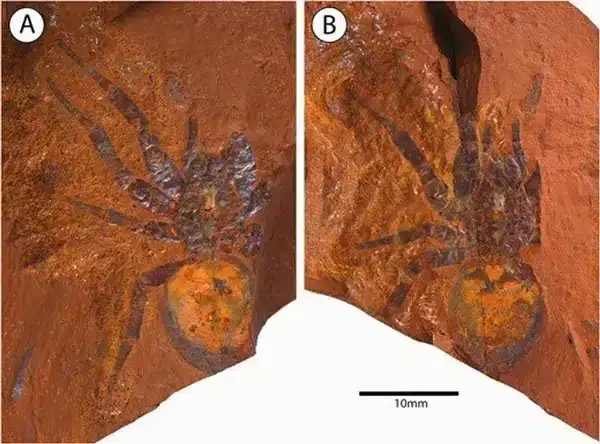
The fossil was excavated from McGraths Flat in New South Wales, a site dating back to the Miocene epoch, roughly 11 to 16 million years ago. During this period, the area was covered by lush rainforests rich with diverse wildlife such as fish, insects, and flowering plants. Today, this location contrasts sharply as dry grassland, making it invaluable for scientists investigating Australia’s climatic transformations.
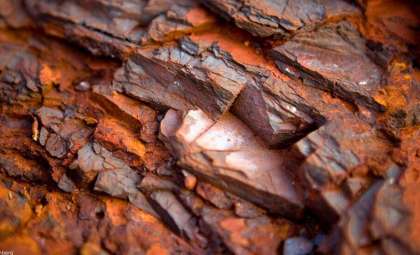
Encased in fine-grained goethite, the spider fossil exhibits extraordinary detail, enabling researchers to utilize scanning electron microscopy to study minute attributes like its claws, leg setae (hair-like structures), and even impressions of the internal body. These microscopic features were crucial in confirming the species’ taxonomy and its relationship with modern rainforest spiders of the genus Monodontium.
The research suggests this ancient lineage thrived during Australia's wetter Miocene conditions but dwindled as the continent became more arid. This fossil thus provides direct evidence that drying climates played a role in local extinctions, affecting invertebrates like spiders alongside larger fauna.
Why Spider Fossils Are Uncommon in the Geological Record
Despite spiders’ long-standing presence on land, their fossils are extremely scarce due to their soft bodies and hidden lifestyles, notably females residing in burrows. Australia has recorded only four spider fossils in total.
This makes Megamonodontium mccluskyi a landmark find—not only does it constitute a new genus and species, but its exceptional preservation sheds light on features often lost over time, such as claw dentition and setal patterns. These details help trace spider evolution and adaptations to environmental shifts.
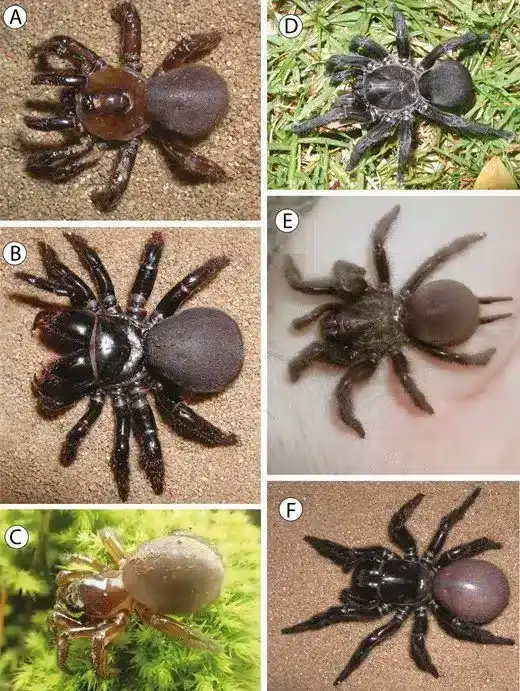
Although this ancient spider lived millions of years after dinosaurs vanished, its impressive size and burrowing behavior imply it could have been a dominant invertebrate predator in its habitat. Arachnologist Dr Robert Raven from Queensland Museum commented in a BBC interview: “Not only is it the largest fossilized spider found in Australia, it’s also the first from this entire family. It’s like opening a whole new book.”
Insights into Biodiversity Changes and Climate Impact
Now recognized as one of the Southern Hemisphere’s premier fossil sites, McGraths Flat offers profound insights on biodiversity shifts driven by climate change. Alongside this spider, fossils of leaves, flowers, insects, and even neural tissue from jumping spiders reveal a once-rich rainforest ecosystem that was rapidly replaced by aridity.
These discoveries not only deepen our understanding of lost species but also highlight how climate fluctuations ripple through ecosystems. According to Science Advances, the site preserves subcellular structures, providing unparalleled detail into extinct organisms.
The extinction of Megamonodontium mirrors a broader pattern in Australia’s past: as rainforests receded, dependent species declined too. Researchers are now using these patterns to better predict biodiversity responses amid ongoing climate challenges.
- Categories:
- Science




0 comments
Sign in to Comment