
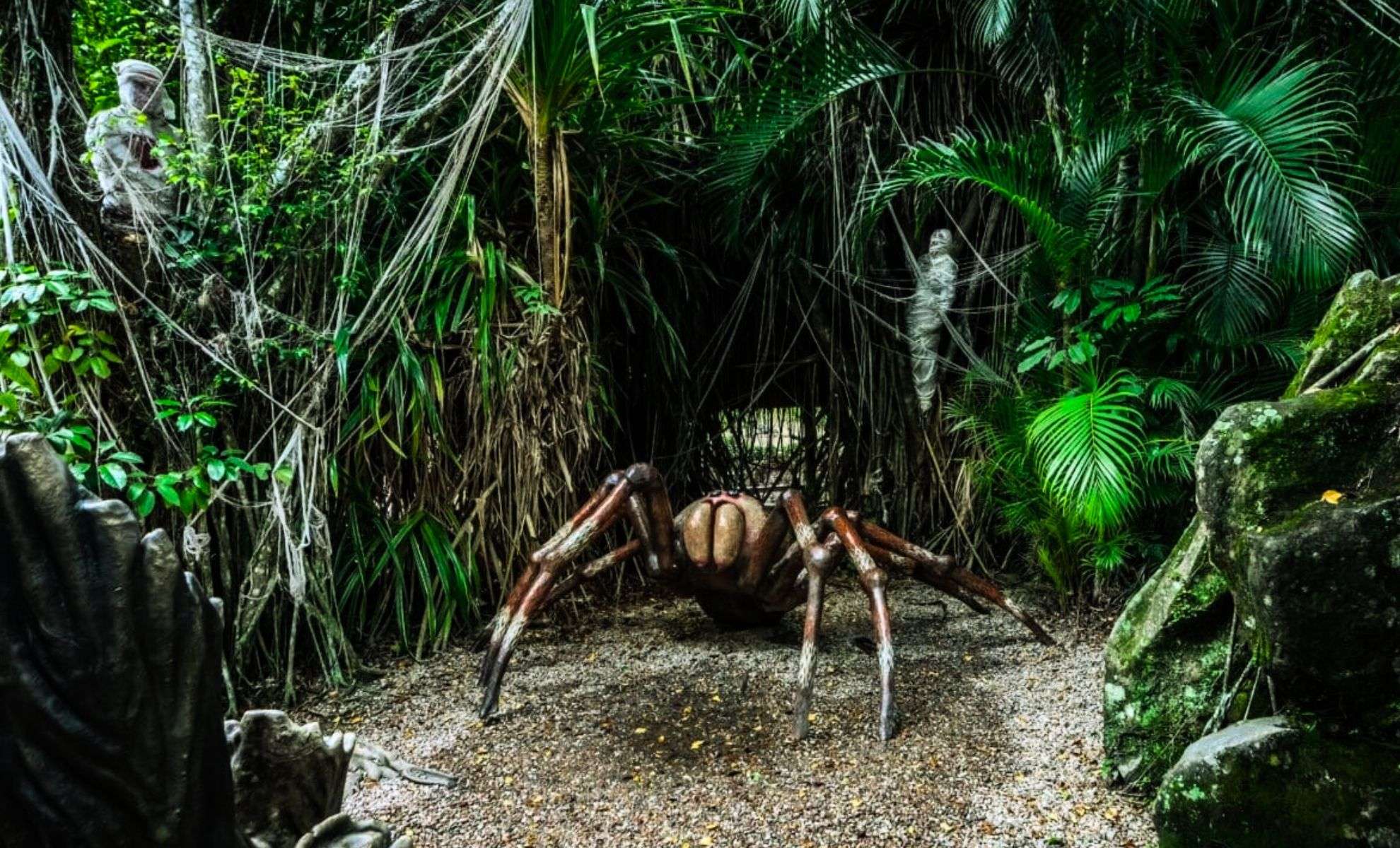
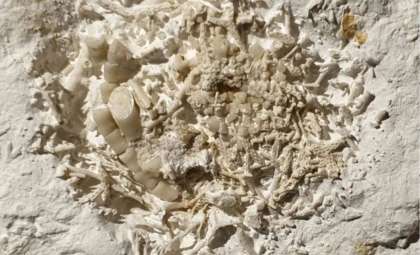
In a newly published peer-reviewed article in the Zoological Journal of the Linnean Society, researchers detail the discovery of an exceptionally preserved fossil of an enormous trapdoor spider found in New South Wales, Australia. This extinct arachnid, named Megamonodontium mccluskyi, measured an impressive 23.31 millimeters in body length, dwarfing modern-day trapdoor spiders by about five times. Originating from the Miocene epoch, it gives scientists a rare glimpse into the ancient rainforest ecosystems that once thrived in the region.
Groundbreaking Fossil Illuminates Spider Evolutionary History
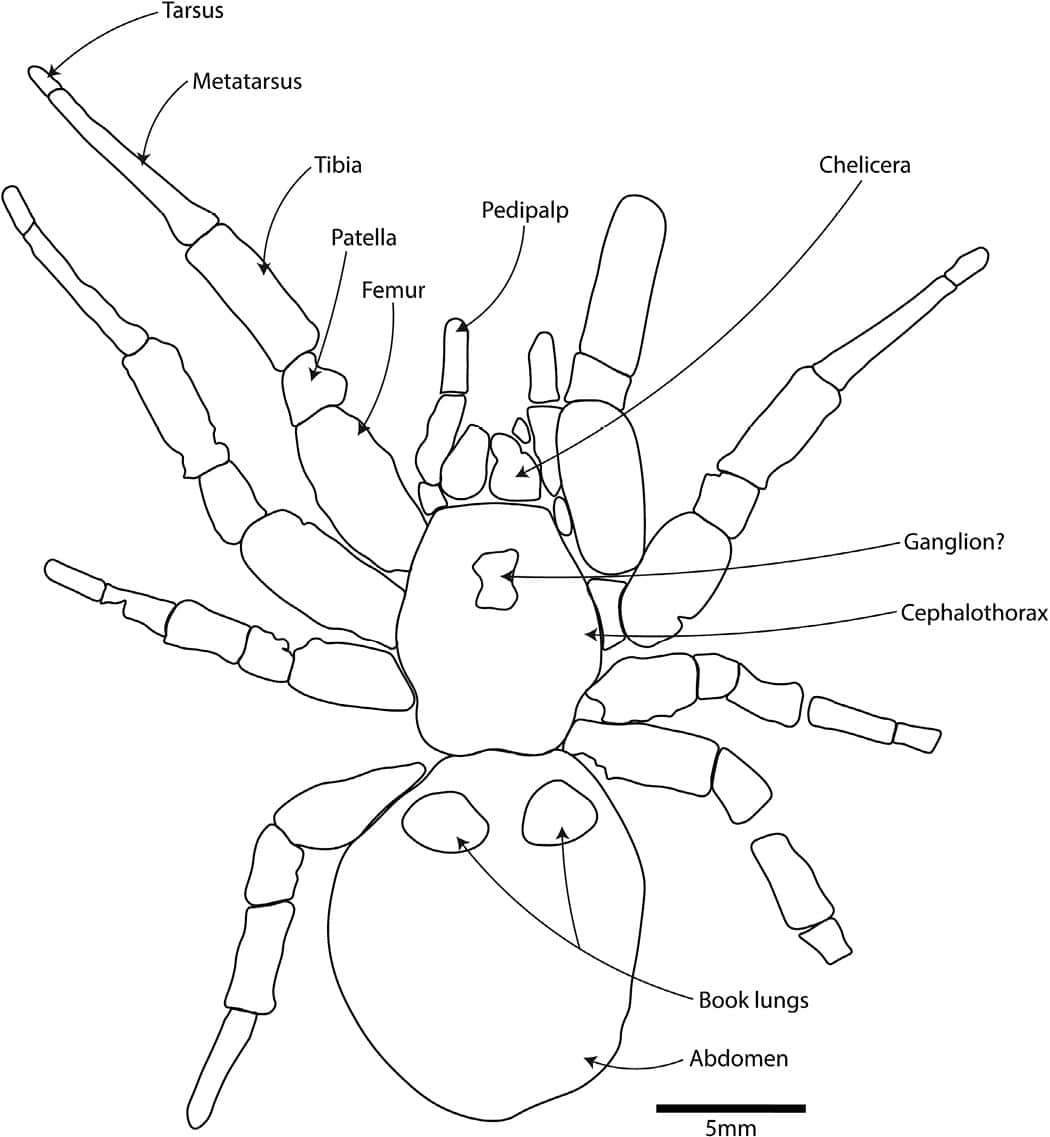
Australia has yielded only four known spider fossils, making this specimen exceptionally valuable to paleobiologists. Unique to this find is that it represents the first fossil record of the Barychelidae family worldwide. The research team employed scanning electron microscopy to examine fine anatomical features such as claws and sensory hairs (setae) on its legs and pedipalps. These detailed observations confirmed its close ancestral ties to contemporary trapdoor spiders.
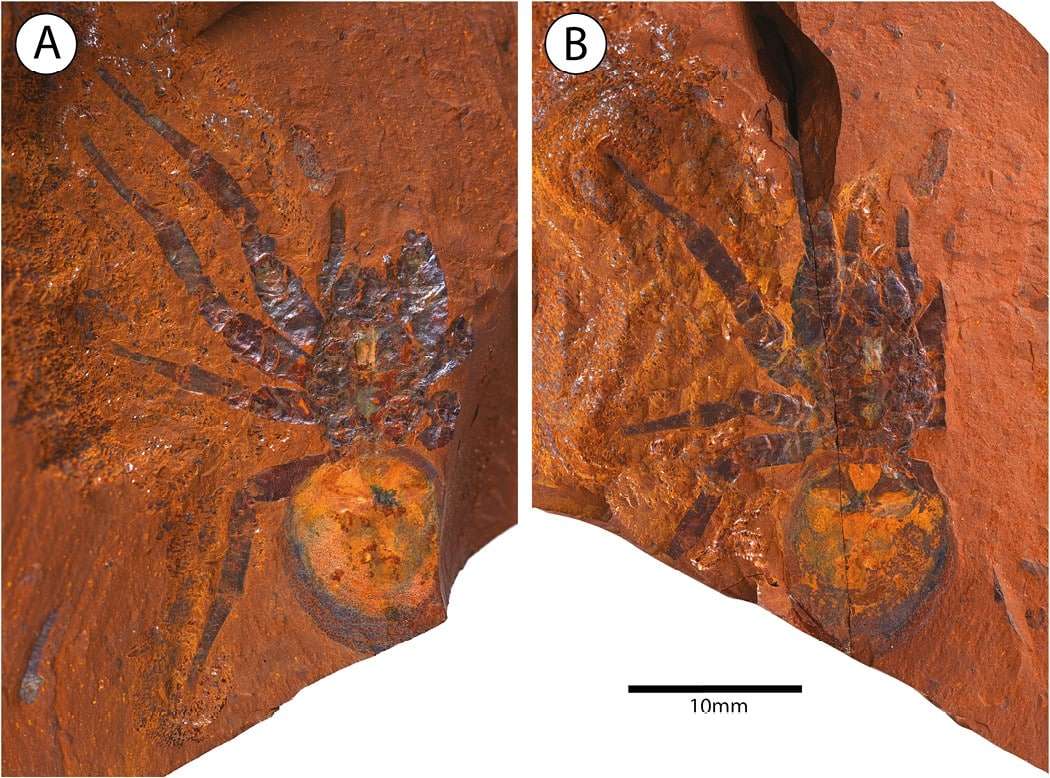
Lead paleontologist Matthew McCurry from the University of New South Wales remarked that the scarcity of these fossils has long hindered the full understanding of trapdoor spider evolution. This discovery begins to bridge significant gaps in the fossil record, providing crucial evolutionary insight.

An Ancient View into Australia’s Miocene Rainforest Habitat
The fossil derives from the McGraths Flat site, renowned for its remarkable preservation of Miocene-era plants and insects, some exhibiting intact cell-level details. Once a thriving humid rainforest, this location gradually transformed into the dry grasslands present today.
Contemporary relatives of M. mccluskyi are native to rainforests in Singapore and Papua New Guinea, which suggests that comparable habitats once stretched across parts of Australia. The species likely became extinct on the continent due to prolonged aridification, a climatic shift that reshaped Australia’s biodiversity.
Fossils Offer Crucial Insights into Past Climate Dynamics
The McGraths Flat deposit functions as a natural archive, capturing detailed evidence of how environmental changes impact living organisms. Finding a giant rainforest spider alongside fossilized tropical flora and insects creates a direct connection between ecosystem conditions and species adaptation.
Researchers stress that these fossils not only reconstruct ancient ecosystems but also inform predictions about how species might adapt to future climate shifts. Queensland Museum’s Robert Raven highlighted that M. mccluskyi is “the largest fossil spider ever discovered in Australia,” representing a valuable reference point for understanding long-term evolutionary responses to environmental change.
The revelation of Megamonodontium mccluskyi contributes a crucial chapter to the story of Australia’s prehistoric life, underscoring how landscapes and organisms have been molded by extinction, adaptation, and environmental transformation over millions of years.
- Categories:
- Science




0 comments
Sign in to Comment