
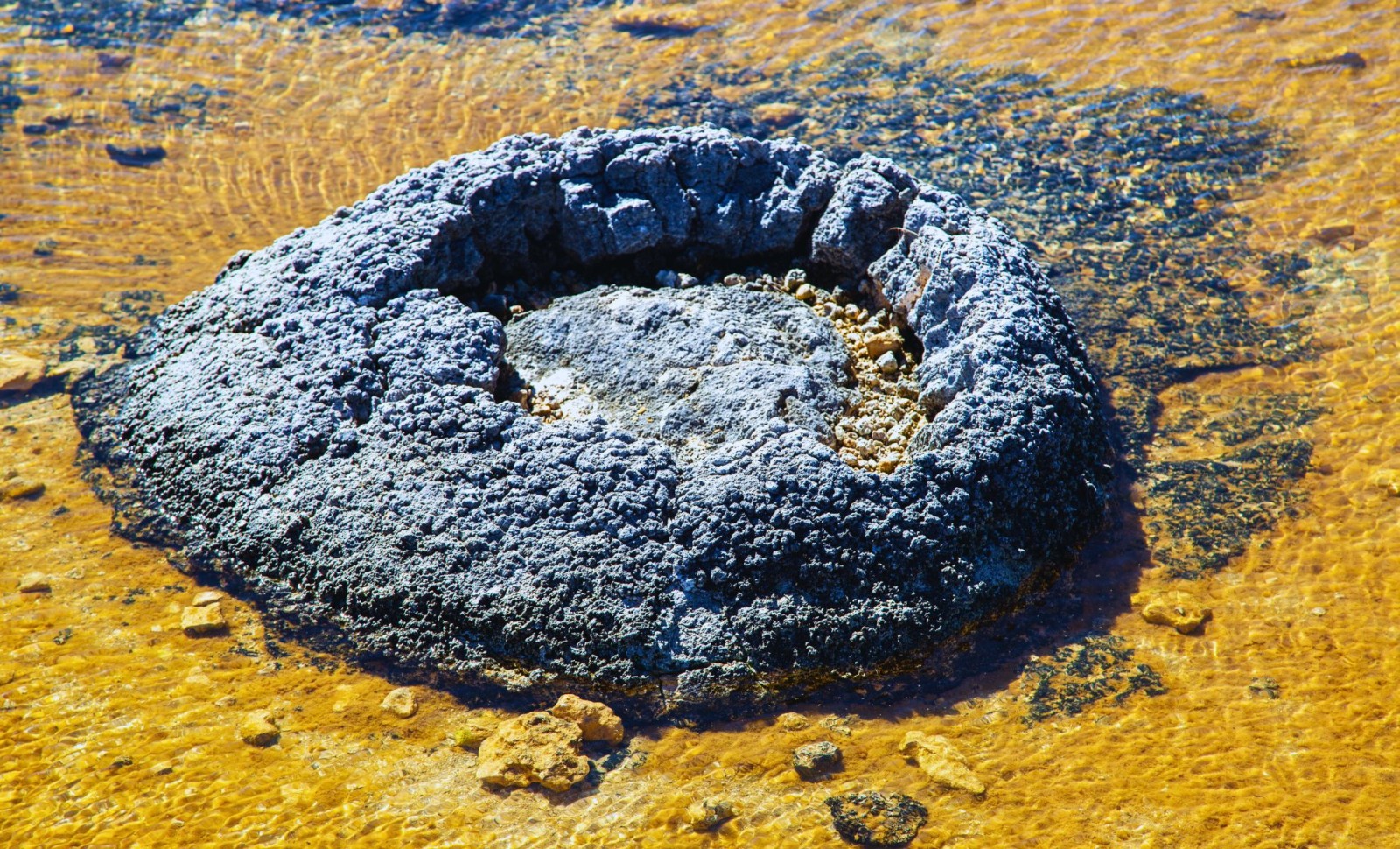
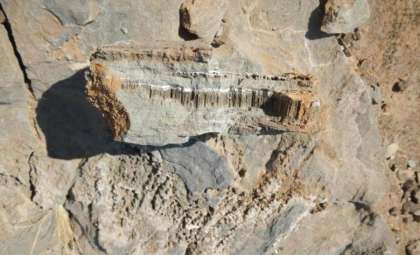
For years, the fossils located in Western Australia's Pilbara region sparked intense scientific debate. Were these formations truly remnants of early life, or merely strange geological features? Recent breakthroughs have now verified that these fossils, dating back an astounding 3.5 billion years, represent the oldest confirmed traces of life on our planet.
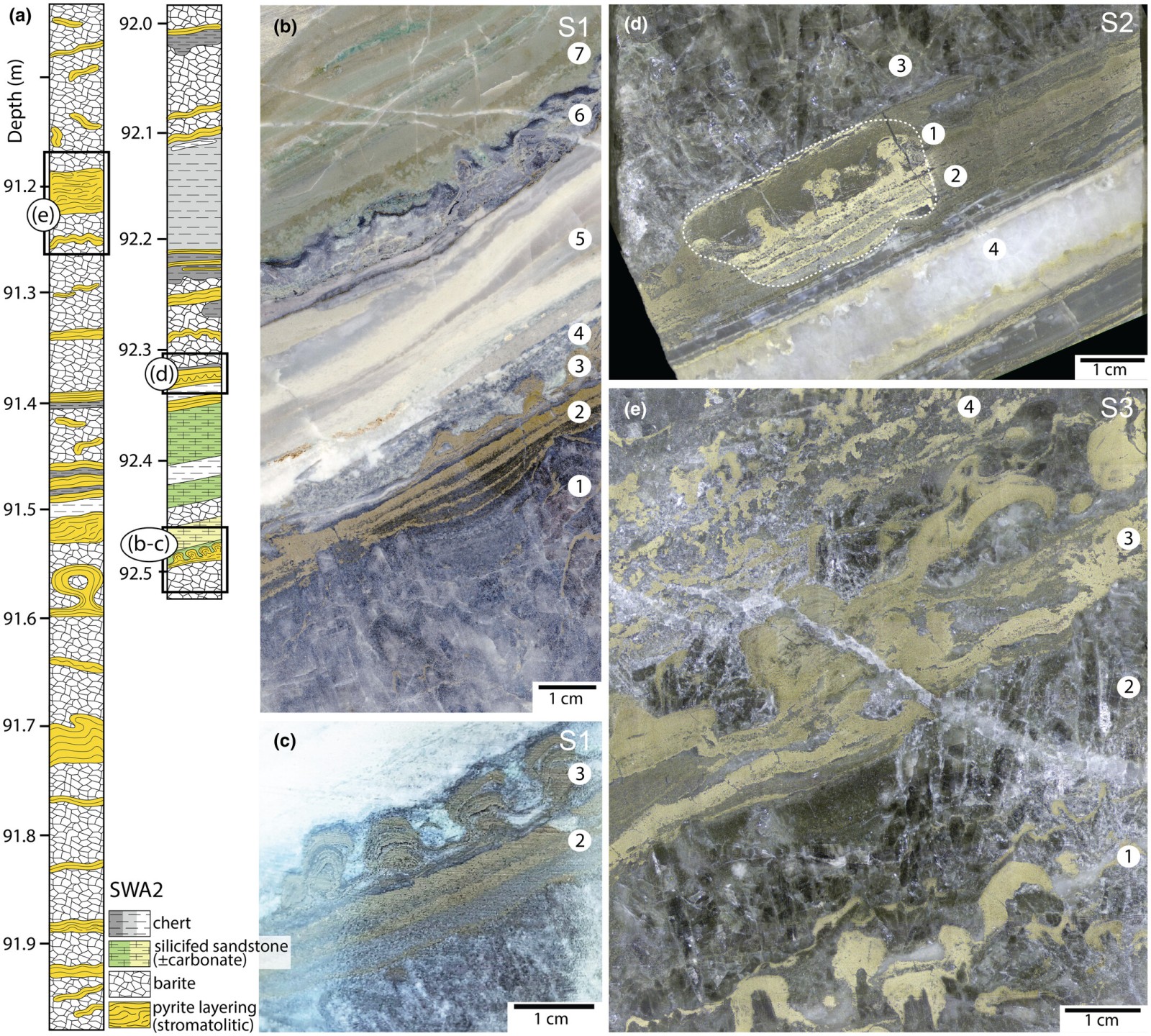
The Pilbara fossils have intrigued researchers since their discovery in the 1980s. Initially thought to possibly indicate ancient biological activity due to their unique mineral patterns, skepticism lingered among experts. However, new findings identifying preserved organic material within the fossils have conclusively proven that these stromatolites are of biological origin.
Understanding Stromatolites: The Microbial Architects of the Ancient Earth
Stromatolites are rock-like structures formed by colonies of cyanobacteria, which are tiny, single-celled organisms. These bacteria produce sticky mucilage that traps sediment particles, gradually building layered deposits. It is this distinctive stratification that has made stromatolites such valuable fossil evidence, especially those discovered in the Dresser Formation, which rank among the planet's oldest examples.

The breakthrough came with a recent research article published in Geobiology, highlighting the detection of preserved organic compounds inside these fossils. Dr. Raphael Baumgartner from the University of New South Wales, who led the study, called this a pivotal advancement in our grasp of early Earth life. He stated:
“For the first time, we’re able to show the world that these stromatolites are definitive evidence for the earliest life on Earth.”
Resolving a 30-Year Scientific Puzzle
Since their initial discovery in the 1980s, these fossils were a promising clue to Earth’s primordial life forms. Yet, debate persisted: some researchers proposed that geological processes might have created similar-looking formations without any biological input. This uncertainty has persisted until now.
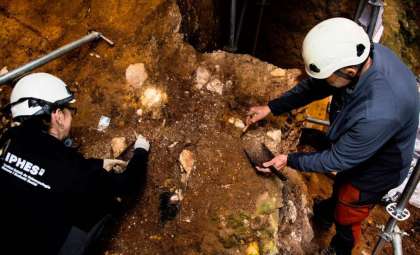
The latest investigation employed advanced techniques, allowing Baumgartner’s team to extract deeper core samples from the rocks.
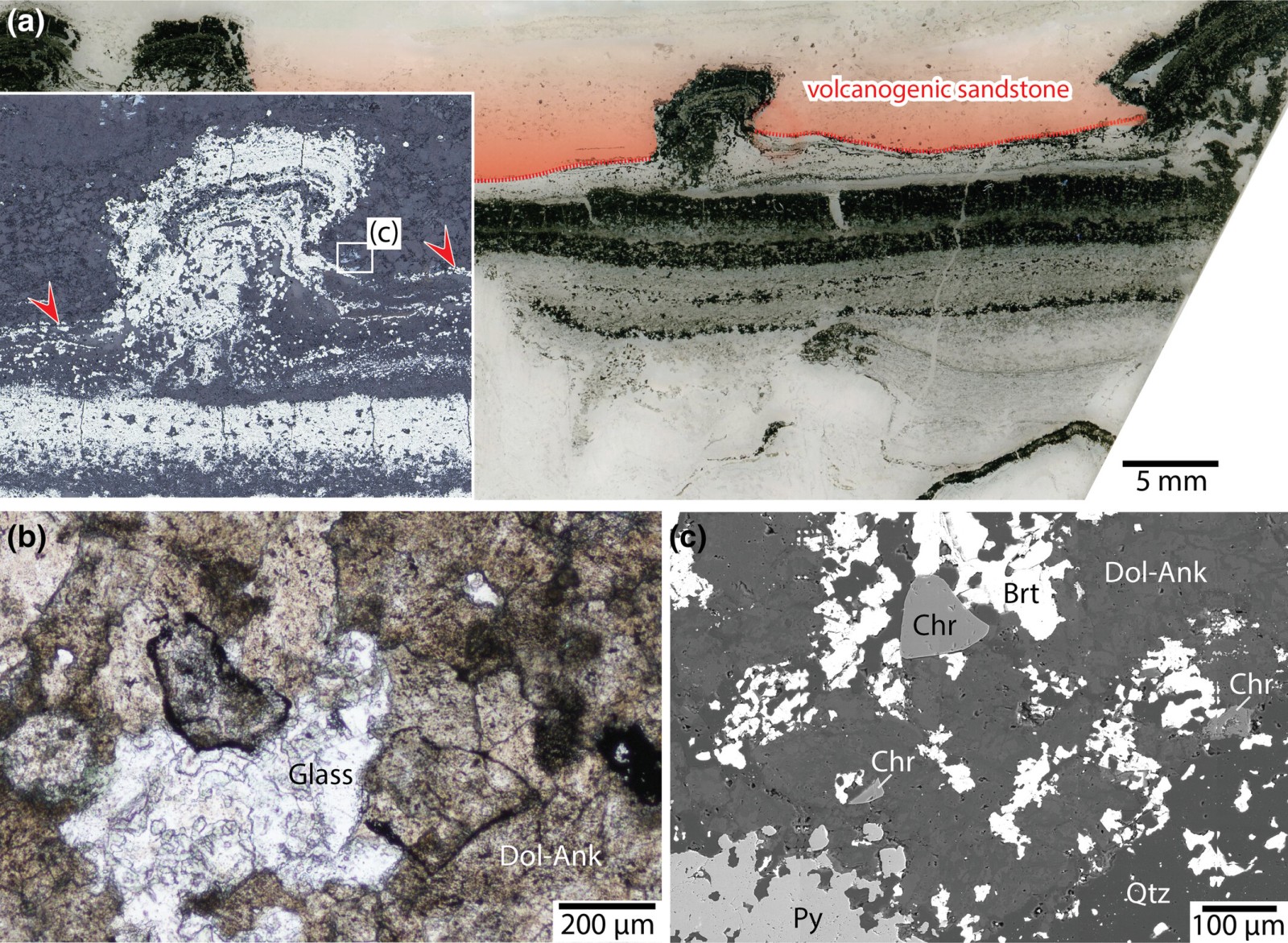
“Looking at drill core samples allowed us to look at a perfect snapshot of ancient microbial life.” Dr Baumgartner added: “The organic matter that we found preserved within pyrite of the stromatolites is exciting – we’re looking at exceptionally preserved coherent filaments and strands that are typically remains of microbial biofilms,”
As explained by Professor Martin Van Kranendonk, an authority in the field, this discovery serves as a “smoking gun”, conclusively verifying that the Pilbara fossils originate from biological sources during an ancient Earth era. This breakthrough must have been a major triumph for those involved.
Implications for the Quest to Find Life Beyond Earth
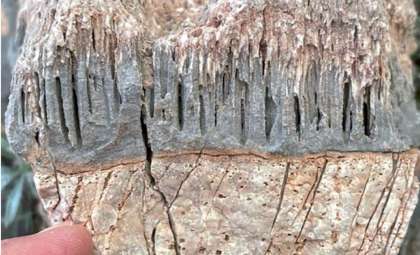
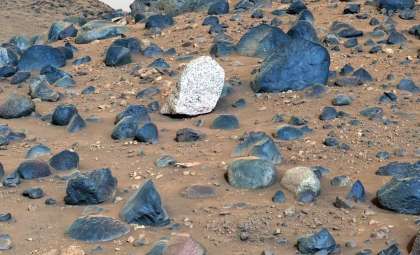
This discovery holds significance beyond Earth's history, directly influencing ongoing efforts to detect extraterrestrial life, particularly on Mars. The potential existence of ancient life on Mars drives many current space exploration missions.
By understanding how Earth's stromatolites preserve evidence of early life, scientists hope to refine methods for identifying similar fossils on Mars. In fact, last August, teams from NASA, ESA, and RosCosmos conducted fieldwork in Pilbara to study these techniques firsthand. NASA’s Mars 2020 rover project scientist, Ken Farley, emphasizes that examining Earth's most ancient organisms is crucial preparation ahead of mankind’s mission to Mars.
If Martian life existed, it was likely microscopic, akin to the cyanobacteria that built stromatolites here. According to Professor Van Kranendonk:
“It is deeply satisfying that Australia’s ancient rocks and our scientific know-how is making such a significant contribution to our search for extra-terrestrial life and unlocking the secrets of Mars.”
- Categories:
- Science



0 comments
Sign in to Comment