
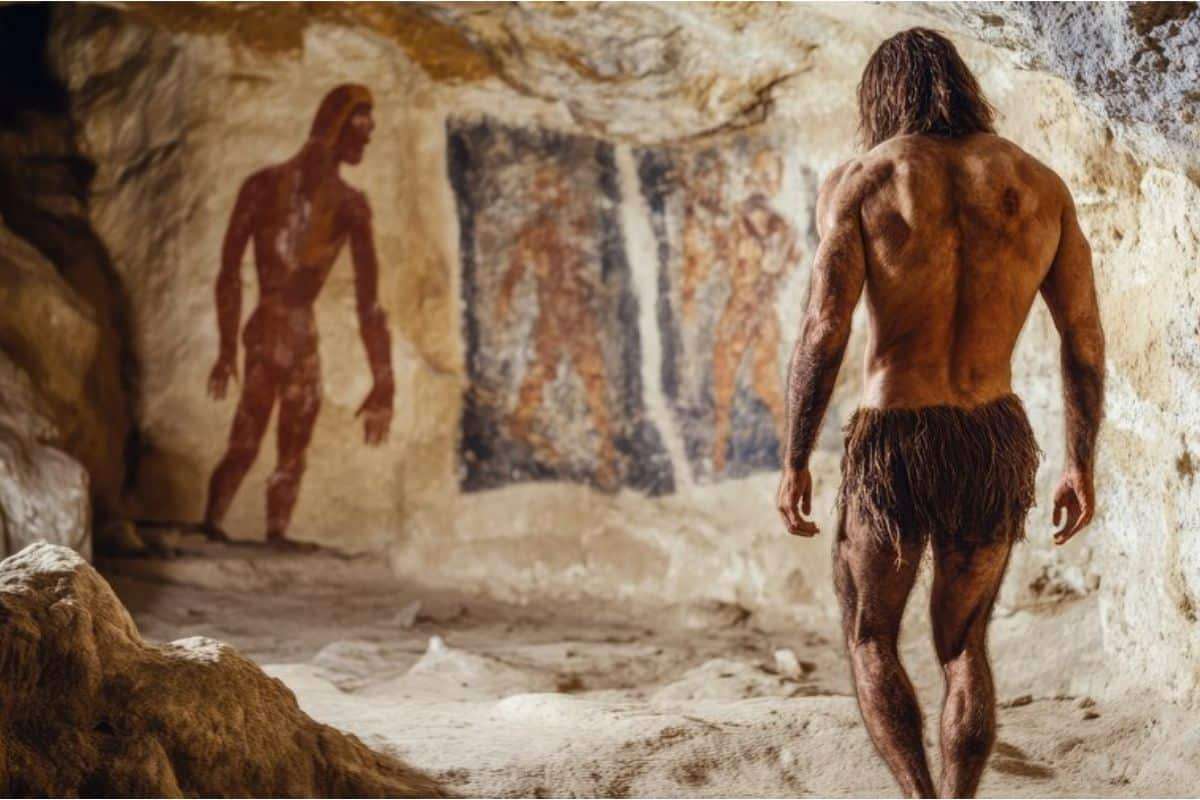
New fossil research is transforming our comprehension of Neanderthal ancestry, challenging previously accepted notions about their evolutionary path. An investigation into inner ear structures indicates early Neanderthals may not have undergone a severe genetic bottleneck at the species' inception, disputing a long-standing theory.
Unraveling the Complex Evolutionary History of Neanderthals
For decades, experts have thought that Neanderthals, appearing around 250,000 years ago, descended from pre-Neanderthals inhabiting Eurasia between 500,000 and 250,000 years ago.
Genomic data previously pointed to an early population bottleneck—a sharp decline in numbers—that reduced genetic diversity at the dawn of Neanderthal lineage. This belief influenced much of the scientific narrative on their genetic evolution.

Nevertheless, the recent research, headed by Alessandro Urciuoli at the Institut Català de Paleontologia Miquel Crusafont, presents an alternative view. By studying the semicircular canals of the inner ear, vital for balance and spatial orientation, the team uncovered data contradicting the idea of an early population bottleneck.
Insights from Ancient Fossil Sites
The investigators analyzed fossil remnants from two important locations: Sima de los Huesos in Atapuerca, Spain, a 430,000-year-old site with the largest collection of pre-Neanderthal fossils, and Krapina in Croatia, dating from approximately 130,000 to 120,000 years ago, boasting one of the most extensive early Neanderthal fossil collections.
They found that pre-Neanderthals and early Neanderthals maintained comparable levels of variation, whereas later classic Neanderthals showed a significant reduction in diversity. This discovery suggests the genetic bottleneck likely took place much later, around 110,000 years ago, rather than at the species’ origin.
Revising the Timing of the Bottleneck
The inner ear findings correspond with earlier genetic research, confirming classic Neanderthals had diminished genetic diversity compared to their forebears but contradict the idea that diversity loss commenced at the species' emergence.
Co-author Mercedes Conde-Valverde notes these results offer “strong evidence of a bottleneck event,” occurring after early Neanderthals had already diversified. This points to a gradual evolutionary progression rather than an abrupt shift.
Urciuoli remarked on the surprising nature of the data: “We were surprised to find that the pre-Neanderthals from the Sima de los Huesos showed morphological diversity similar to early Neanderthals from Krapina,” he explained.
Further studies incorporating both paleogenetics and morphological analysis will be essential to deepen our understanding of Neanderthal evolution and their role within human ancestry.
- Categories:
- Science









0 comments
Sign in to Comment