
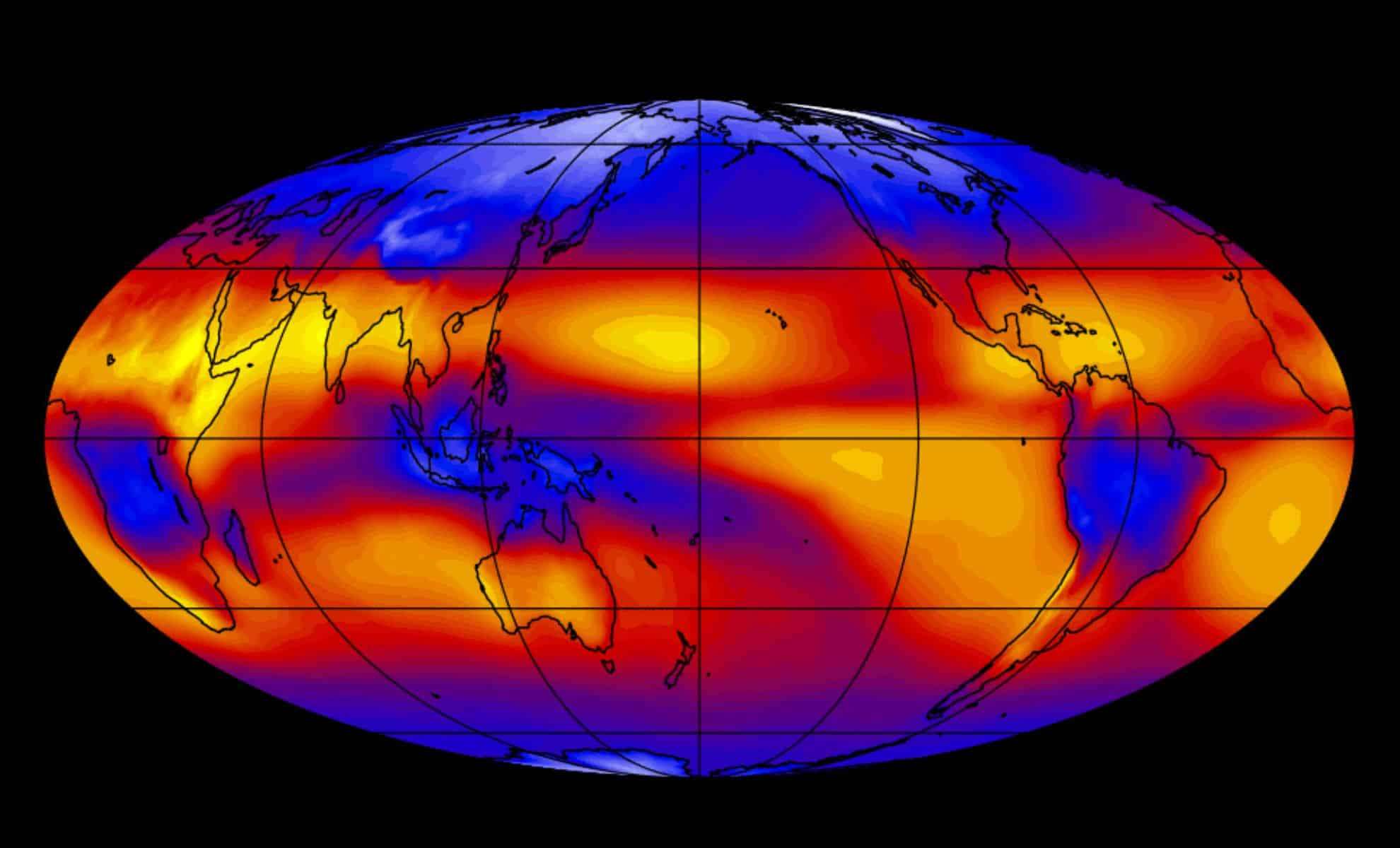
A groundbreaking research article published in AGU Advances reveals a worrying rise in Earth's energy imbalance. This imbalance—the gap between solar energy absorbed and the energy the Earth emits back into space—has been increasing steadily for many years. Recent satellite measurements, however, indicate that this escalation is occurring far faster than climate models had anticipated, prompting concern among experts. At the same time, the satellites monitoring this vital metric are nearing the end of their service, putting at risk the continued observation of this critical climate indicator.
Unprecedented Growth in Energy Imbalance Raises Concerns
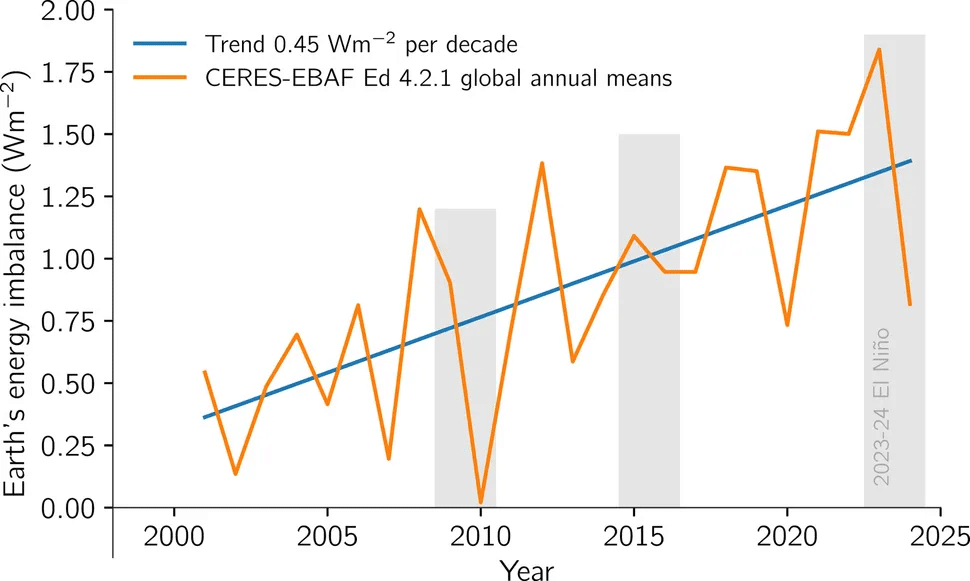
In the last 20 years, the planet’s energy imbalance has surged to double its previous measurements, with 2023 showing a remarkable 1.8 watts per square meter—twice what earlier models had forecast. The escalation is primarily driven by rising greenhouse gas concentrations, which trap heat and reduce Earth's ability to radiate energy back into space. This surplus energy fuels global warming and exacerbates extreme climate impacts. While short-term climate patterns like El Niño may explain some variability, the ongoing trend suggests underlying complexities that scientists are eager to unravel.
The Vital Role of Satellites and Their Uncertain Horizon
Satellites have been indispensable in quantifying Earth’s energy imbalance, offering real-time insights that guide climate projections and policy. However, these instruments are aging, and the next generation, planned for launch in 2027 as part of NASA's Libera mission, faces the challenge of limited operational redundancy with only a single satellite expected to be active. Scientists express apprehension that this gap could hinder accurate, continuous monitoring.

Thorsten Mauritsen, meteorology professor at Stockholm University and lead author of a recent commentary, stresses the critical nature of these data: “What we get from [these] satellites is roughly one decade faster data, so that’s why it’s so critical. The absolute best option is that NASA continues,” he told Live Science.
Consequences of a Growing Energy Imbalance
The intensifying energy imbalance has direct and urgent implications. Mauritsen explains, “The larger the imbalance is, the faster climate change happens. If we have more imbalance, that means more energy accumulating, [so] temperatures rise faster.” This accelerated warming heightens the risk of crossing irreversible climate thresholds.
Moreover, the persistence of this imbalance complicates efforts to cap global temperature rise at 2 degrees Celsius (3.6 degrees Fahrenheit). According to Mauritsen, “We expect temperatures to stabilize after we stop burning fossil fuels, roughly. But if that imbalance stays very high, then it pushes further that temperature level that we can stabilize at. That means we have less CO2 left that we can emit before we get to 2 degrees Celsius [or 3.6 degrees Fahrenheit of warming].”
Why Continuous Monitoring of Earth’s Energy Imbalance Is Essential
Tracking Earth’s energy imbalance offers more than just temperature forecasts; it serves as a crucial benchmark for how close the planet is to climate equilibrium. The absence of precise, ongoing data would leave the scientific community operating with blind spots regarding climate progression. Mauritsen highlights this by saying, “It tells us how far we are from stabilizing Earth’s climate, and that’s why we need to measure it. If we don’t know this, then we are driving our climate system blindfolded.”
The call for enhanced and resilient climate observation technologies has never been more urgent, as gaps in data will impede global strategies to confront the escalating climate emergency.
- Categories:
- News











0 comments
Sign in to Comment