
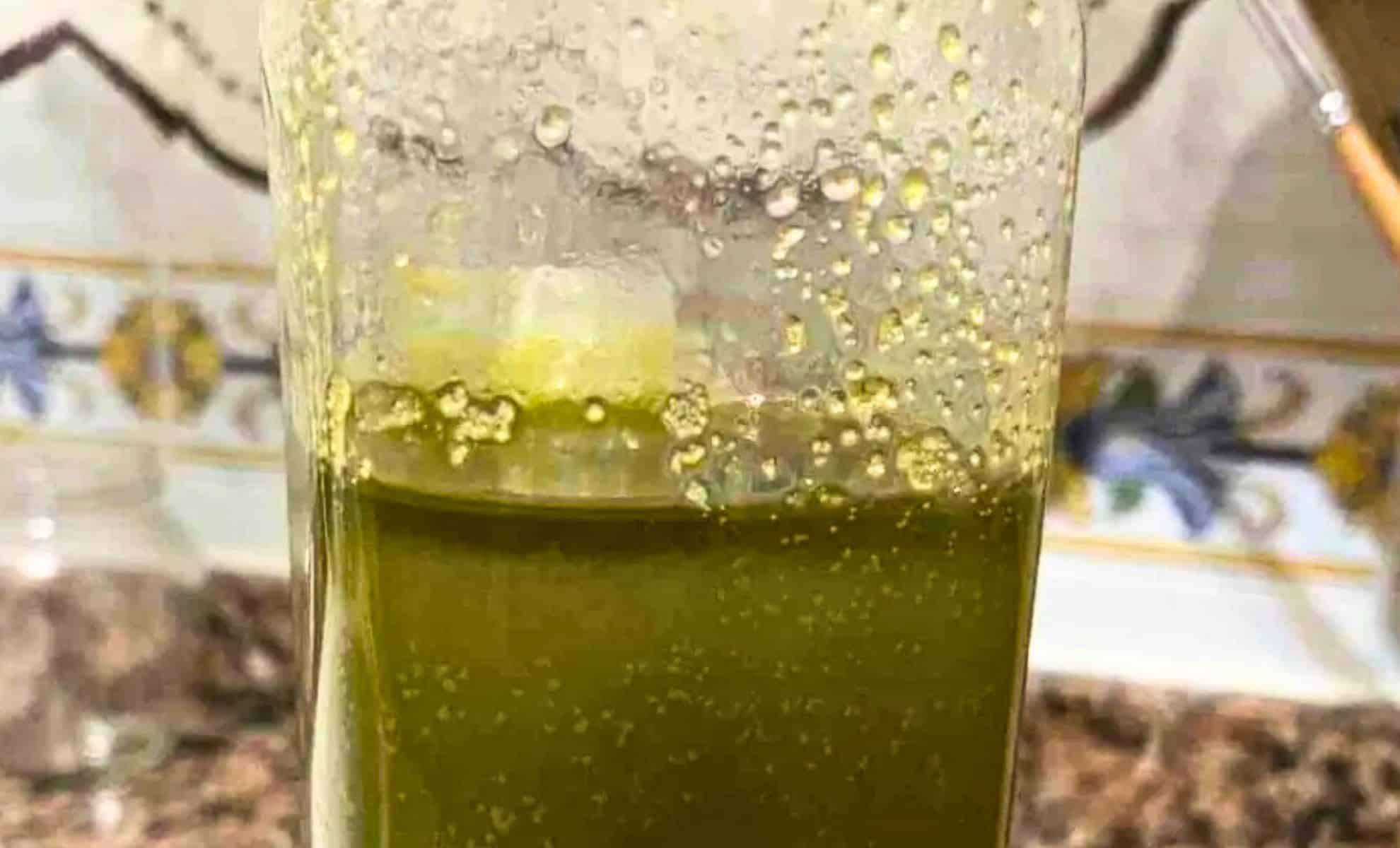
Olive oil, often hailed as “liquid gold,” is a kitchen essential cherished for its distinctive taste and nutritional advantages. Despite its popularity, many are unaware that olive oil has a limited shelf life after opening, and consuming it beyond that point can pose health hazards.
What Causes Olive Oil to Spoil?
Proudly used in countless recipes, olive oil’s quality isn’t permanent. Specialists at the North American Olive Oil Association (NAOOA) reveal that exposure to oxygen, heat, and light triggers its gradual deterioration. Depending on storage methods, the oil’s freshness can diminish within months.
When stored optimally—in cool, shaded environments—olive oil retains quality for up to a year. However, if subjected to high temperatures or direct sunlight, it may spoil in just three to four months after opening.

Distinct markers of spoiled olive oil include a strange “pencil shavings” smell and an off-putting nutty flavor. These changes signal the oil is unsafe for consumption, and rancidity carries significant health implications.
Ingesting rancid olive oil can cause digestive distress such as nausea, vomiting, and diarrhea. Furthermore, oxidative compounds formed in spoiled oil might increase the risk of chronic ailments like heart disease, emphasizing the importance of discarding deteriorated oil promptly.
Olive Oil’s Impact on Well-being
While fresh, untainted olive oil boasts numerous health-promoting properties, these benefits vanish once the oil spoils. Intact olive oil features powerful antioxidants and heart-healthy fats that contribute to overall health.
After rancidity sets in, these valuable nutrients break down, transforming the oil from a beneficial food to a potential health threat.
If frequent spoilage frustrates you, try purchasing smaller quantities that can be used quickly. Always store your olive oil in a sealed container, away from warmth and light, preferably in a cool, dark cabinet to extend its usability.
Alternative Uses for Spoiled Olive Oil
Throwing away olive oil may feel wasteful, but rancid oil still has practical household applications.
Old olive oil can be used for leather conditioning, wood furniture polishing, or lubricating creaky hinges. These alternative uses help maximize the value of oil that’s no longer suitable for cooking.
Proper storage remains key to slowing spoilage. Keep olive oil in a cool, dark spot, shielded from sunlight and heat to maintain its quality longer. Should you detect spoilage, it’s vital to discard the oil safely to protect your health.
- Categories:
- News











0 comments
Sign in to Comment