
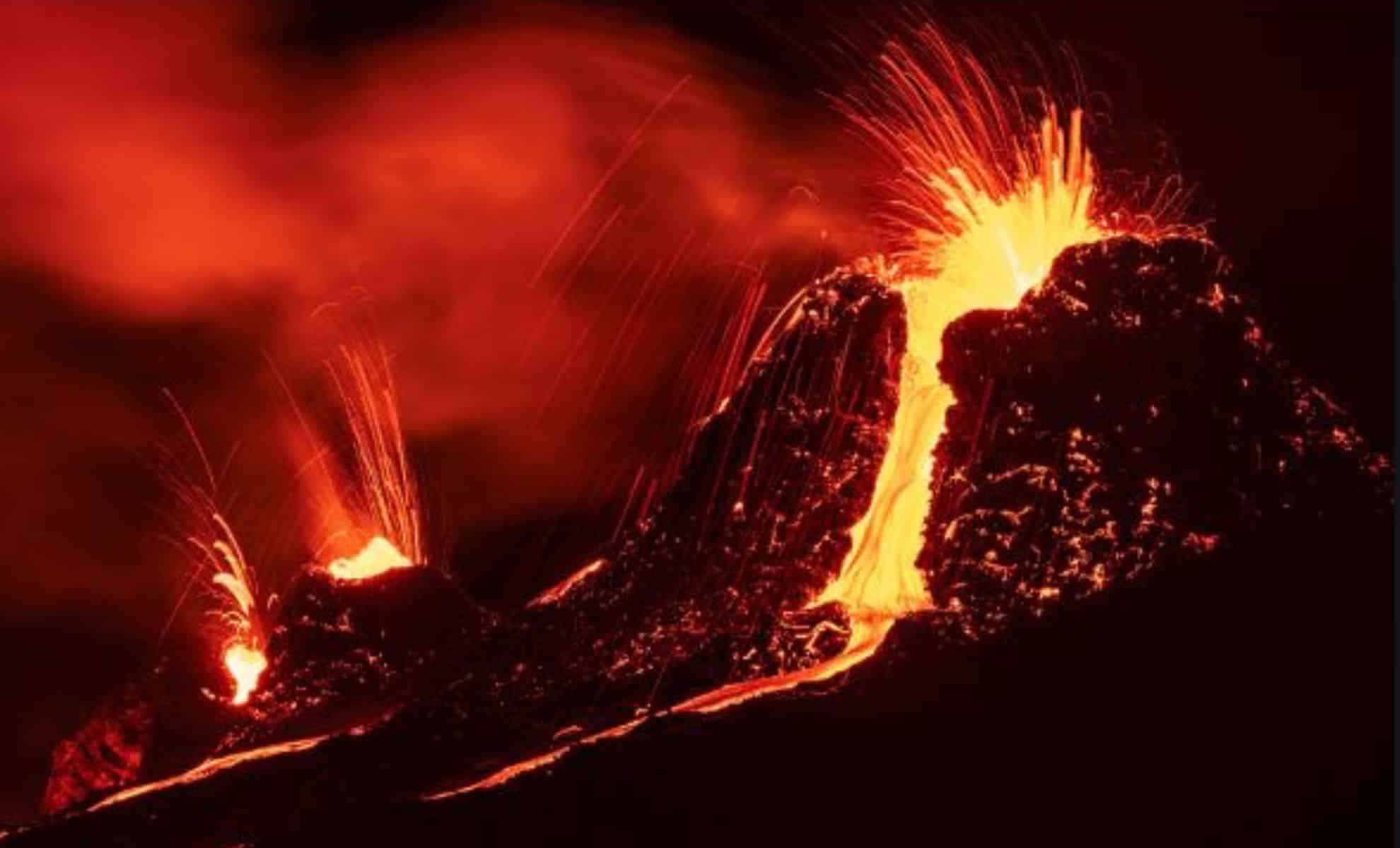
Volcanic eruptions have played a monumental role in shaping Earth’s landscape over millennia. These powerful events have forged new islands, altered continents, and even influenced climate patterns globally. Yet beneath this natural marvel lies a persistent danger: colossal eruptions capable of causing widespread destruction within moments.
The most recent event of this scale, the 1815 eruption of Mount Tambora, triggered a global crisis—ushering in the infamous "year without a summer," devastating agriculture, and claiming tens of thousands of lives. Now, over two centuries later, scientists caution that our planet could face another massive volcanic upheaval with dire consequences for today’s interconnected societies.
Insights from Tambora and Ancient Volcanoes
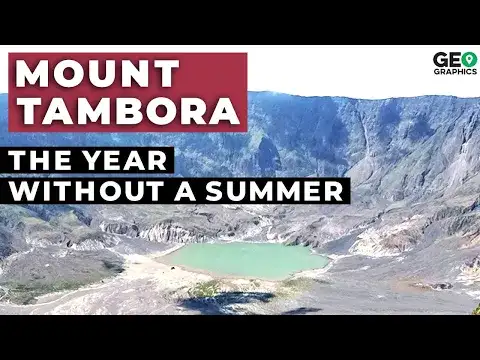
Mount Tambora’s explosion remains the largest volcanic eruption recorded in modern history. The Indonesian volcano sent an enormous cloud of ash, sulfur dioxide, and debris high into the atmosphere, causing a global temperature drop of at least 1°C. This led to severe climate disruptions, crop failures, and famine worldwide.

The "year without a summer" saw unseasonal snowfall in June throughout North America, failed harvests across Europe, and widespread hunger. Beyond the human tragedy, this harsh climate inspired cultural milestones, including Mary Shelley’s creation of Frankenstein during that bleak summer.
Tambora is not an isolated case. The 1257 Samalas eruption, also in Indonesia, is credited with contributing to the Little Ice Age, a centuries-long global cooling period. Researchers estimate that such massive events occur approximately every 600 years, suggesting the possibility that we may be overdue for another.
Emerging Risks in a Modern World
The forthcoming major volcanic eruption would strike a world vastly different from those of previous centuries. With rising global temperatures, dense populations, and intricate international systems, the repercussions could be far more severe.
Markus Stoffel, a climate expert at the University of Geneva, stresses that it’s not a matter of if, but when such an eruption occurs. “Humanity lacks a concrete strategy,” he says, underscoring how unprepared we are for the chaos that would follow.
Potential consequences include:
- Immediate Catastrophic Damage: Lava and pyroclastic flows could destroy entire urban centers within moments.
- Severe Disruption to Global Food Systems: Shifts in temperature and precipitation could devastate key agricultural areas.
- Enormous Economic Fallout: According to Lloyd’s of London, an eruption akin to Tambora could inflict first-year economic damages exceeding $3.6 trillion.
- Massive Population Displacements: Over 800 million people live within 60 miles of active volcanoes, implying large-scale evacuations would be necessary.
Volcanic Activity’s Role in Climate Alteration
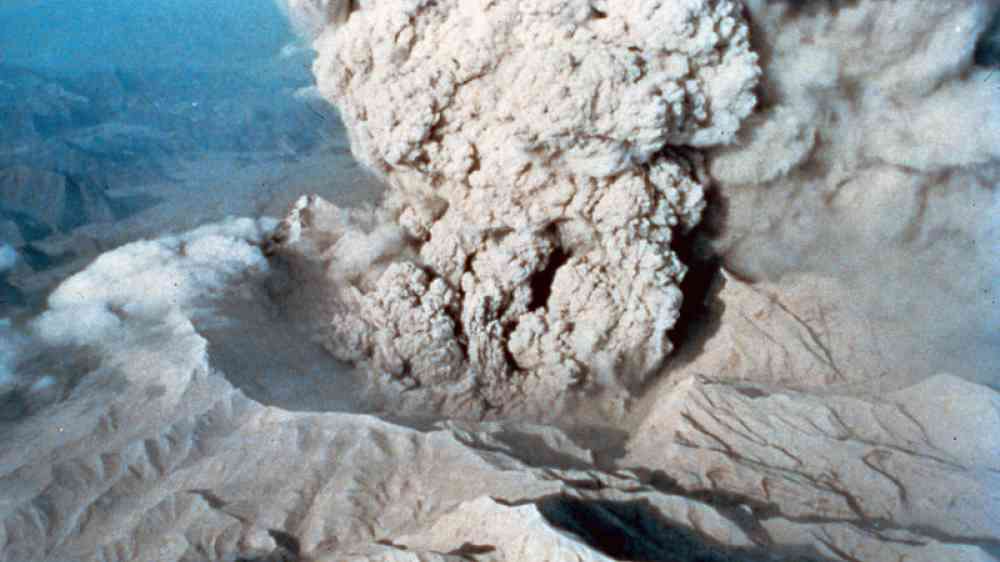
Volcanoes emit various gases during eruptions, notably sulfur dioxide (SO₂), which significantly impacts Earth’s climate. Once in the stratosphere, SO₂ forms aerosols that reflect sunlight away, inducing temporary cooling effects.
Alan Robock, a climate scientist at Rutgers University, notes these particles "circulate globally and persist for a couple of years." The 1991 eruption of Mount Pinatubo in the Philippines, for instance, released about 15 million tons of SO₂, resulting in a cooling of roughly 0.5°C lasting several years.
However, this cooling is uneven and can worsen existing regional vulnerabilities. Some areas, including southern Europe and northern Africa, might experience temperature dips up to 7°C, threatening crops and water supplies.
Why Today's World Faces Amplified Risks
A future massive volcanic event would occur on a planet already transformed by human influence. Several factors heighten the scope of potential damage:
- Faster Atmospheric Circulation: Warmer conditions accelerate air movement, spreading volcanic aerosols more quickly and intensifying cooling effects.
- Altered Ocean Processes: Elevated sea surface temperatures can hinder ocean mixing, amplifying atmospheric cooling.
- Increased Volcanic Activity: Glacier melting reduces crustal pressure, potentially raising eruption frequency.
Michael Rampino, a scientist at NYU, describes this precarious situation: “The planet is more unstable now. Impacts could be even more severe than those from 1815.”
Projected Worldwide Consequences of an Upcoming Eruption
Steps Toward Readiness
While preventing huge volcanic explosions is beyond current capabilities, mitigation strategies can lessen their impact:
- Improved Surveillance: Deploying cutting-edge monitoring equipment in high-risk zones.
- Robust Emergency Planning: Creating detailed evacuation frameworks and ensuring supply chain stability for essentials.
- Global Collaboration: Enhancing international coordination for post-eruption aid and economic recovery.
According to Stoffel, “We have only just begun to grasp the potential outcomes.”
- Categories:
- News ,
- Climate change ,
- Nature


0 comments
Sign in to Comment