
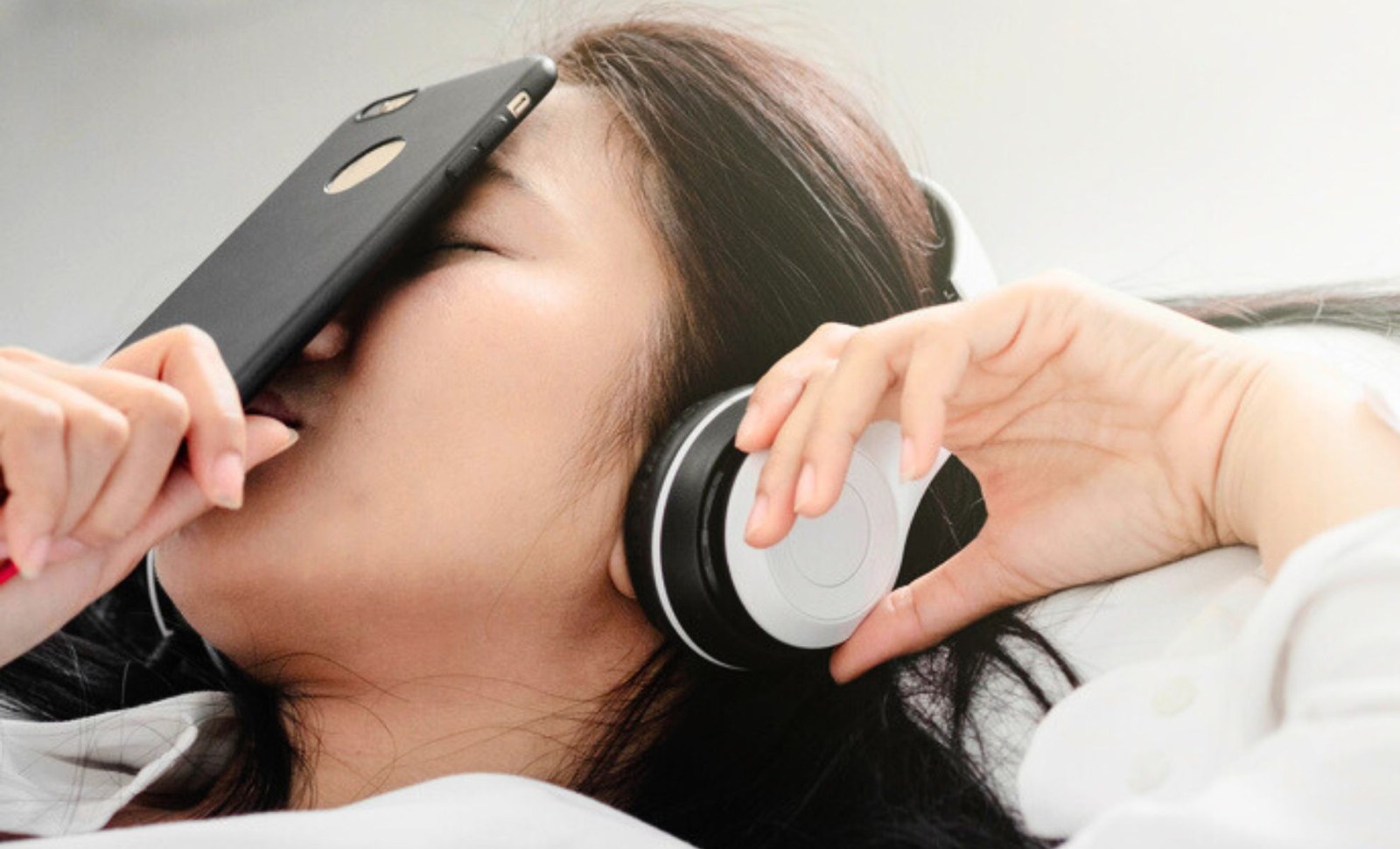
Many people find comfort in slipping on earbuds, starting a podcast or a soothing playlist, and letting themselves fall asleep. This common nightly practice feels relaxing and discreet, embraced by millions worldwide. However, emerging evidence shows that this habit might be silently undermining ear health and beyond.
Health experts and audiologists warn that sleeping with earbuds or headphones, particularly at high volumes or for extended durations, may pose multiple health hazards. These include hearing impairment, increased chances of ear infections, and interruptions to natural sleep patterns.
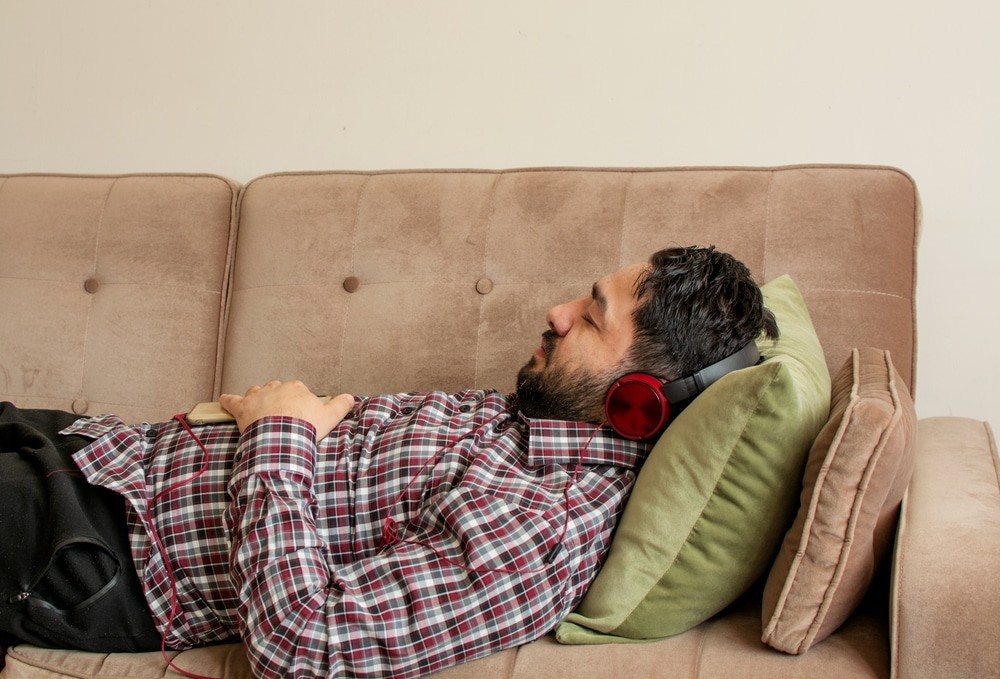
While some authorities suggest that careful use of low-volume settings and proper devices could reduce risks, others advise caution. Extended exposure to loud sounds during sleep can contribute to hearing loss, increase the chance of dementia, and inflict damage within the ear canal, especially when sound levels are not carefully controlled.

Hearing Impairment and Cognitive Health Concerns
Using headphones overnight prolongs auditory stimulation when the ears and brain ideally need rest. A 2017 study published in Noise & Health investigating Swedish teens observed that individuals playing audio at volumes over 85 decibels for more than three hours showed poorer hearing sensitivity, increased tinnitus, and self-reported hearing difficulties.
Particularly, about 10% of participants exposed themselves to even louder sounds at 90-100 decibels—similar to the noise from motorcycles or subway trains—and experienced considerable worsening of hearing function, including persistent issues even in quiet environments and while asleep.
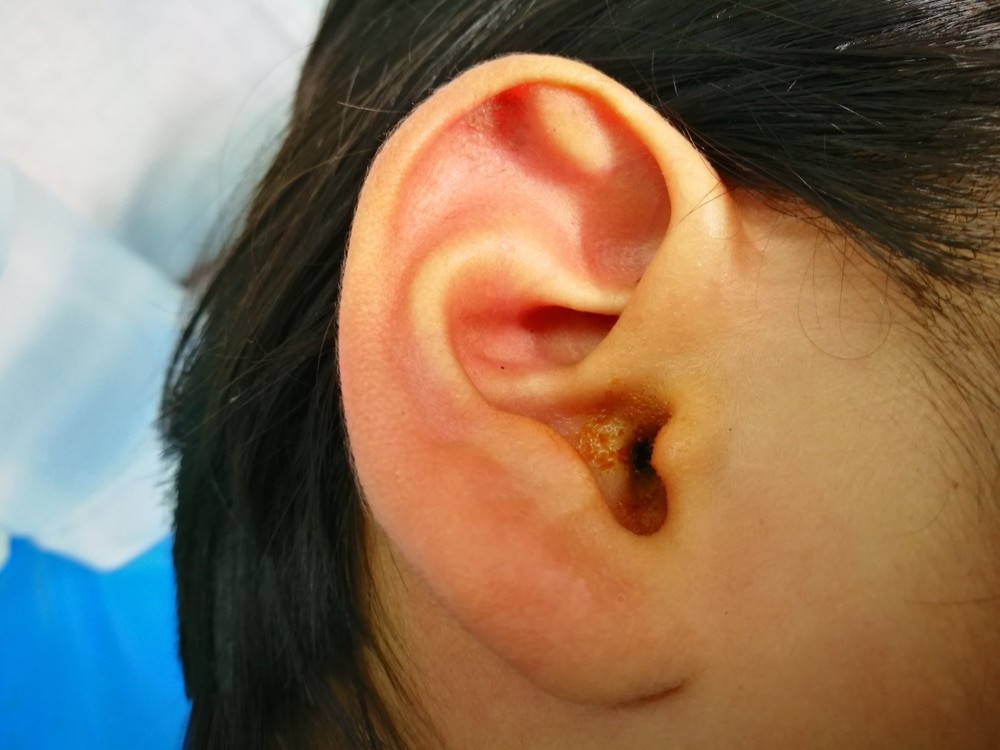
The Cleveland Clinic echoes these warnings, explaining that sleeping with earbuds can harm both the external and internal ear structures. Earbuds can push earwax further inside, potentially causing blockages or infections that may require medical treatment.
Although a direct causal link between hearing loss and dementia remains unconfirmed in these studies, larger research projects suggest even mild hearing loss could double the likelihood of developing dementia. The National Institute on Aging highlights how stress on hearing can negatively impact memory and brain function.
Infections, Tissue Damage, and Ear Canal Hazards
Earbuds create a closed-off space inside the ear, trapping heat and moisture, especially after activities like showering or exercising. This environment fosters bacterial proliferation, which can cause external ear infections such as swimmer’s ear.
A Cleveland Clinic report warns that such infections may result in symptoms like irritation, pain, redness, discharge, and muffled hearing, possibly spreading deeper if untreated. Wearing headphones that do not fit well for long periods also raises the risk of skin necrosis, where restricted blood flow leads to tissue damage.
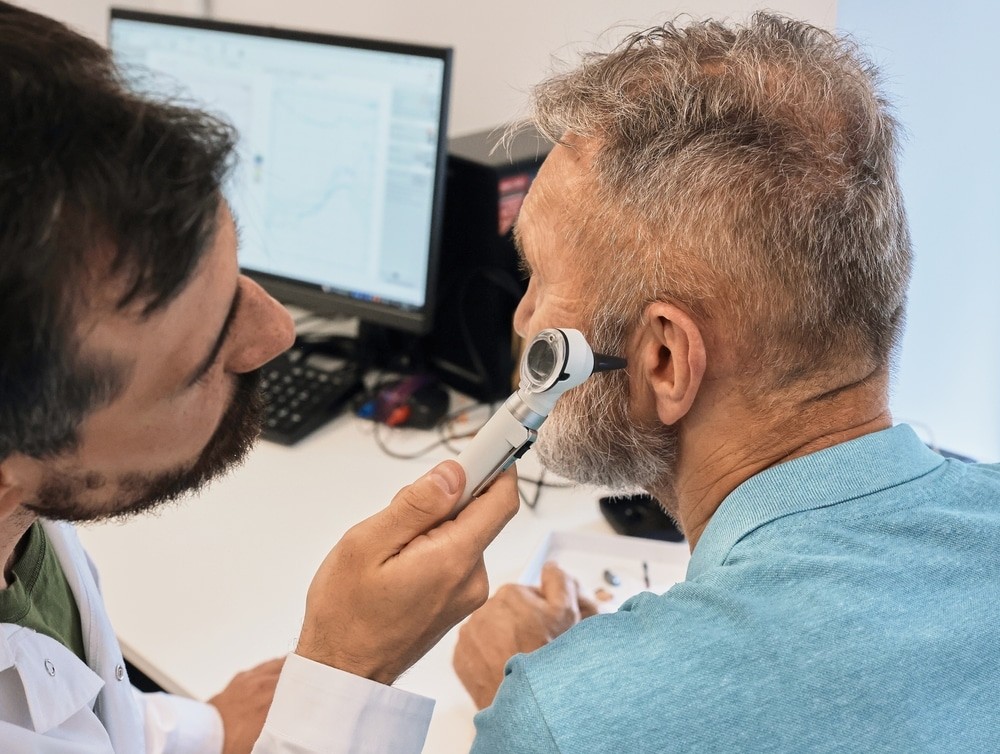
“Experiencing pressure, discomfort, or fullness in your ear could indicate that the earbud or plug doesn’t fit properly,” explained Dr. Valerie Pavlovich Ruff, audiologist at Cleveland Clinic. She recommends custom-fit options or over-ear headphones as better alternatives, especially for those who sleep on their side.
Another concern is earwax buildup. Normally, earwax gradually exits the ear canal, but in-ear devices can obstruct or reverse this flow, compacting the wax deeper inside. This can cause discomfort and affect hearing and balance.
Nighttime Audio’s Impact Extends Beyond Ears
Playing audio through headphones at night can also disrupt sleep structure. Deep sleep, especially the slow-wave phase, is vital for brain detoxification. Continuous sound exposure may diminish time spent in these essential stages.
As noted in VNExpress International, neurologist Dr. Baibing Chen warns that loud sounds overnight harm hair cells in the inner ear, gradually leading to hearing loss and raising the probability of cognitive impairment. “High-volume noise damages inner ear hair cells, increasing risks for hearing decline and dementia over time,” he stated.
Another issue is that wearing headphones—especially noise-canceling types—can block emergency alerts like alarms or calls for help, creating potential danger, particularly for individuals sleeping alone or in unfamiliar environments.
Healthy Alternatives for Using Sound While Sleeping
Audio can provide comfort to people with tinnitus, anxiety, or light sleep tendencies, but there are safer ways to incorporate sound without risking ear health.
The Cleveland Clinic suggests employing external speakers, speakers embedded in pillows, or headband headphones that rest gently on the ears instead of inside them. These options minimize ear canal pressure, prevent moisture buildup, and allow critical ambient sounds to be heard.
Keeping volume under 85 decibels is important, and setting automatic shutoff timers between 30 and 60 minutes can reduce long-term exposure. Even moderate sound levels, if continuous, may contribute to ear fatigue and lower sleep quality.
“If you choose to wear headphones to bed, favor over-ear or headband styles and keep volumes low,” advises Dr. Ruff. “Whenever possible, using an external speaker is the safest choice.”
- Categories:
- News













0 comments
Sign in to Comment