
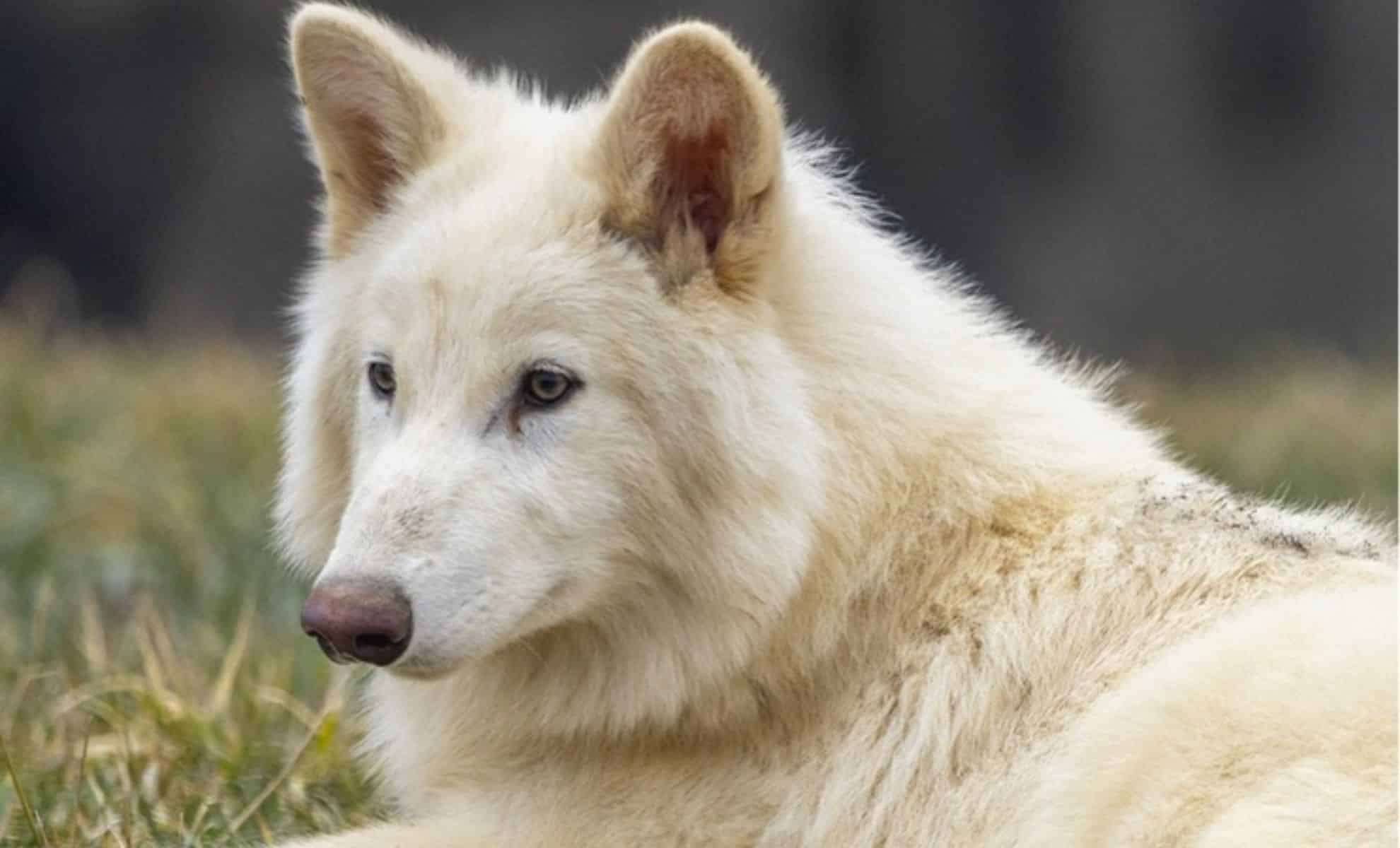
The genetically engineered "dire wolves" developed by Colossal Biosciences have reached a significant growth milestone: they have turned six months old, exhibiting extraordinary development. The trio—Romulus, Remus, and Khaleesi—are central to an innovative initiative aimed at reviving characteristics of a prehistoric species that vanished thousands of years ago.
Exceptional Growth Patterns
Now six months in age, the elder siblings Romulus and Remus weigh in at over 40 kilograms (approximately 90 pounds), making them roughly 20% heavier than typical gray wolves. These fluffy young wolves are gradually embodying the distinct traits of the extinct dire wolf, a species that disappeared between 10,000 and 12,000 years ago.
Matt James, Colossal’s Chief Animal Officer, remarks on the visible impact of the genetic modifications: “The dire wolf genes are clearly expressing themselves.”
Meanwhile, Khaleesi, the youngest, weighs around 15.9 kilograms (35 pounds). Though smaller than her brothers, she still measures 10 to 15% larger than a normal gray wolf at a comparable age. The team at Colossal plans to integrate her into the pack upon reaching full maturity and closely tracks her ongoing progress.


A Genetic Recreation Rather Than a Clone
While these remarkable wolves have garnered global attention, they do not represent true clones of the original dire wolves. Some critics argue that calling this process "de-extinction" can be misleading, as true species resurrection requires cloning, which remains unattainable due to degraded ancient DNA. Nic Rawlence, a paleogenetics associate professor at the University of Otago, emphasizes, “To truly de-extinct something, cloning would be necessary. The DNA preservation simply isn’t sufficient.”
Instead, these wolves are genetically engineered gray wolves, modified by introducing 20 specific genetic alterations spread over 14 genes designed to replicate the dire wolf's distinctive physical traits. This technique focuses on restoring ancestral features without duplicating the extinct species exactly.
Debate Surrounding the Dire Wolf Initiative
The endeavor by Colossal has sparked a wave of discussion. While some critics question the accuracy and ethics behind this project, others view it as a promising strategy to confront the widespread challenges of extinction. Colossal is also engaged in cloning efforts to aid the critically endangered red wolf, which exists in very limited numbers. By cloning red wolf pups, the company seeks to enhance the species’ genetic diversity, a key factor for long-term survival.
Additionally, Colossal is advancing efforts to save the northern white rhino, a species now functionally extinct with only two female individuals alive. By using preserved genetic material from the last male northern white rhino, they aim to create embryos in the lab and eventually implant them using a southern white rhino surrogate, thereby striving to pull the species back from extinction.
Though some raise ethical questions about de-extinction and genetic modifications, the goal is to leverage these emerging biotechnologies not only to restore lost species traits but also to protect those currently under threat. While skepticism remains, Colossal is pioneering bold scientific approaches to preserve biodiversity for future generations.
- Categories:
- News













0 comments
Sign in to Comment