

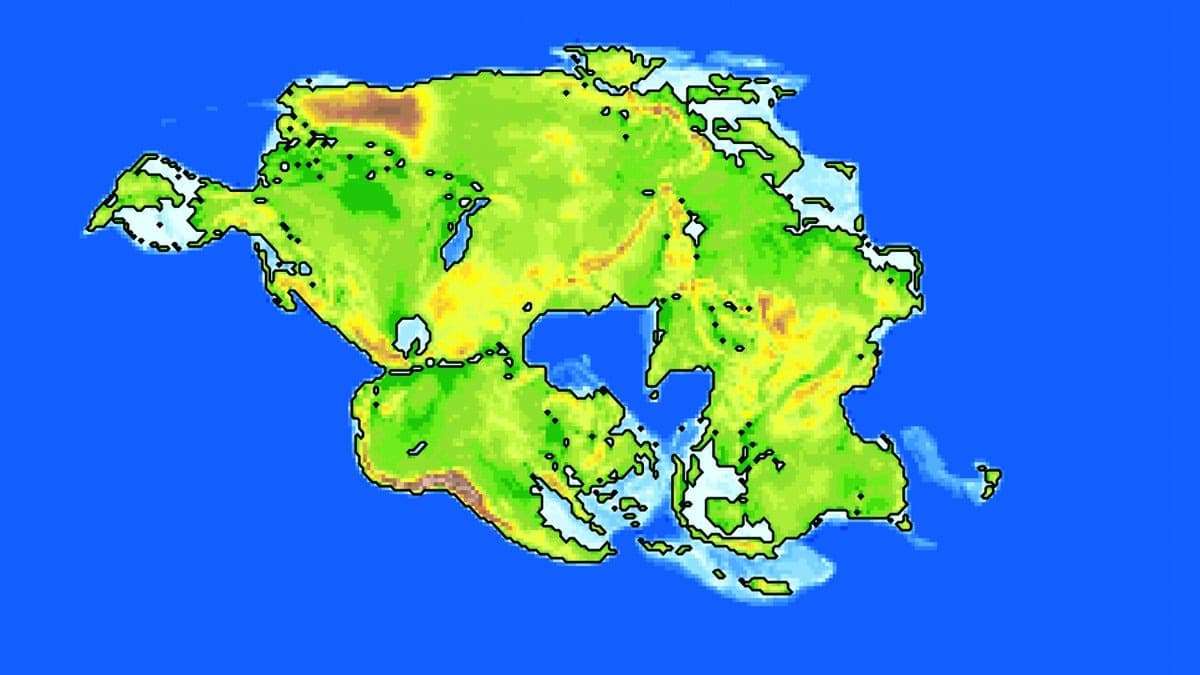
Using advanced supercomputer models, scientists have projected a distant Earth where the continents converge once again, forming a superheated mega-continent that could threaten the survival of mammals, humans included.
Led by experts from the University of Bristol, the research envisions a world 250 million years ahead, dominated by intense heat, widespread volcanic eruptions, and dramatic climate upheavals that may dramatically alter life on the planet—or bring it to an end.
Emergence of a New Supercontinent: Pangaea Ultima
The movement of Earth's plates will eventually cause all major continents to merge into a singular vast landmass named Pangaea Ultima. This immense formation is expected near the equator, where soaring temperatures and intense geological forces will transform the landscape.

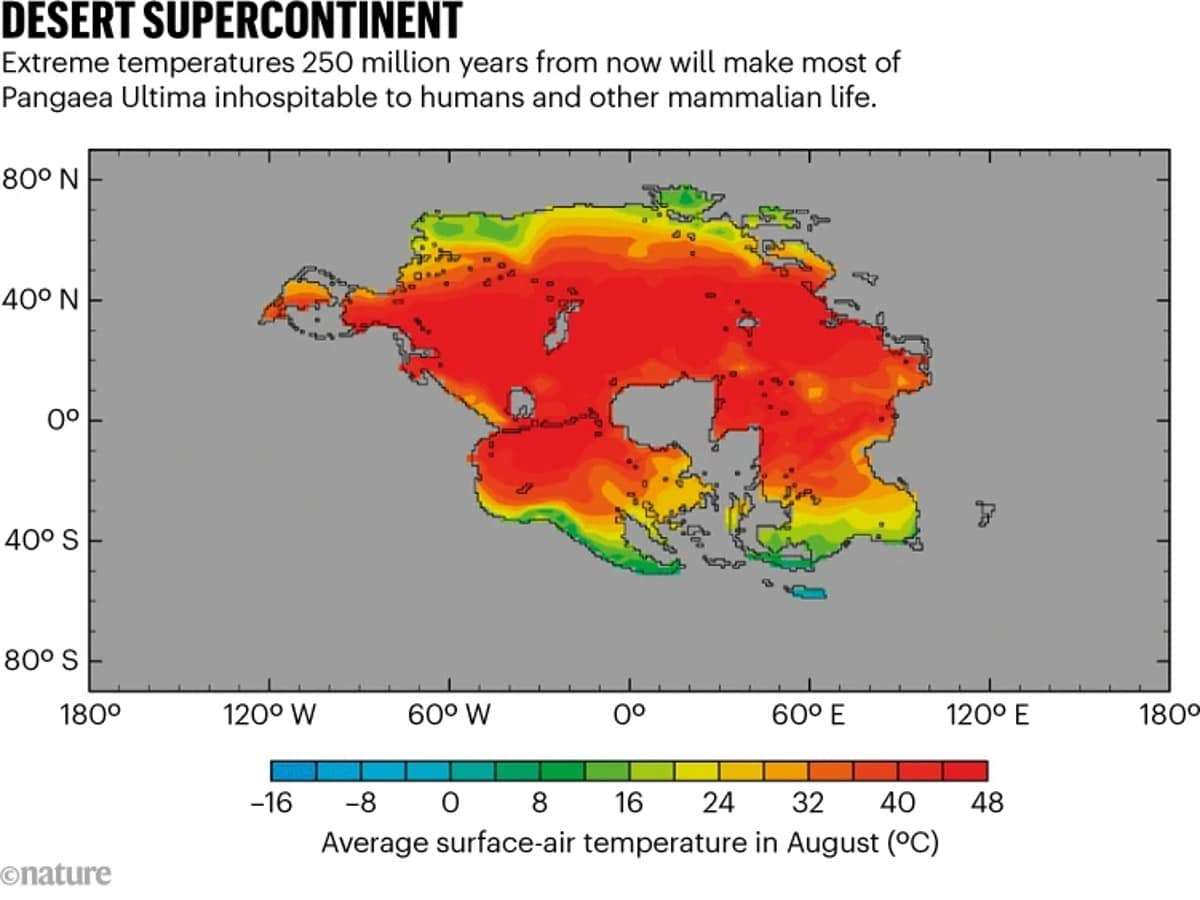
Published in Nature Geoscience, the study indicates that temperatures will top 40°C (104°F) across many terrestrial regions, creating extensive deserts unsuitable for mammalian life.
Key contributors to this environmental shift include:
- Continentality effect: The massive inland area will be cut off from oceanic influence, leading to extreme heat buildup.
- Increased CO₂ emissions: Volcanic activity will flood the atmosphere with carbon dioxide, intensifying the greenhouse effect.
- Enhanced solar output: The Sun's brightness will increase by 2.5% over this time span, exacerbating heat levels.
Survival Chances for Mammals
The prospects for mammals, humans among them, appear bleak. The study anticipates that as much as 92% of Earth's land could become too harsh to support mammalian life, restricting viable habitats mostly to polar and coastal zones.
Researchers emphasize that the combination of extreme heat and oppressive humidity is likely to exceed biological thresholds, rendering most mammals unable to endure.
According to Dr. Alexander Farnsworth, a climate expert at University of Bristol, this scenario represents a “triple threat” of environmental hazards, including:
- Repeated heatwaves surpassing 50°C (122°F).
- High humidity levels that hinder effective thermoregulation in mammals.
- Elevated volcanic activity creating perilous conditions.
Is Extinction of Humans Inevitable?
Should humans persist into this distant era, they would confront unparalleled survival challenges. Some scientists speculate future humans could evolve adaptations such as heat tolerance, inhabit underground environments, or adopt nocturnal lifestyles to evade harsh daytime temperatures—a concept reminiscent of Frank Herbert’s Dune.
More plausibly, humanity’s salvation might lie in venturing beyond Earth. Long before the supercontinent assembles, colonizing other worlds or mastering technologies to modify Earth’s environment might offer escape routes.
A Grim Outlook but Part of Earth’s Cycle
Though the formation of Pangaea Ultima signals a troubling future, Earth has previously endured similar catastrophic events. Past supercontinent arrangements coincided with major extinction episodes, like the end-Triassic extinction roughly 200 million years ago. Yet, life has always re-emerged—albeit often in vastly changed forms.
Dr. Hannah Davies, geologist at the GFZ German Research Centre for Geosciences, offers cautious hope:
“Extinction events have happened before and will happen again. Life will find a way—but it may not be the life we recognize today.”
Implications for the Present Day
Pangaea Ultima remains a phenomenon far in the future, more than 250 million years away. However, the core forces driving this potential scenario—tectonic movements, increasing greenhouse gases, and planetary climate change—are shaping our world right now.
While this distant supercontinent event won’t threaten us imminently, the research underscores a vital truth: the Earth is constantly evolving, and survival hinges on adaptation.
This article has been republished from the following materials. Note: material may have been edited for length and content. For further information, please contact the cited source.
- Categories:
- News










0 comments
Sign in to Comment