
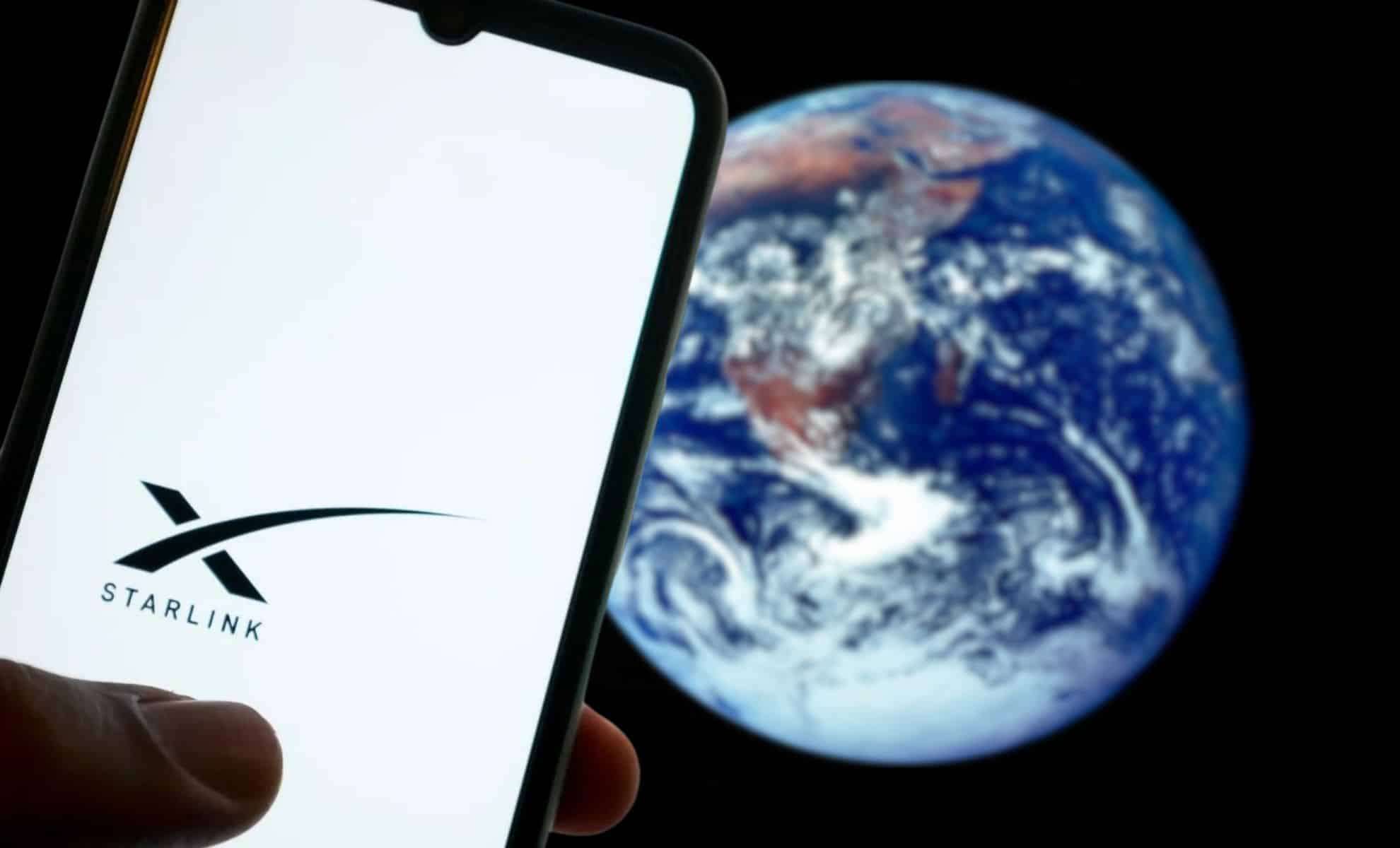
SpaceX and T-Mobile are preparing to debut their groundbreaking direct-to-cellphone connectivity this autumn, ushering in a new era for satellite communication. This service is intended to link T-Mobile’s network with SpaceX’s Starlink satellites, extending mobile coverage to locations lacking traditional network access.
Unlocking Seamless Satellite Mobile Connectivity
The upcoming direct-to-cell offering is engineered to remove outdoor signal blackspots by enabling standard mobile devices to communicate straight with Starlink satellites. This approach aims to assure consistent service for T-Mobile subscribers, especially in remote or hard-to-reach regions. The initial rollout plans to support texting, with future development expected to incorporate voice, data, and Internet of Things (IoT) functionalities.
Technological and Regulatory Hurdles
SpaceX has been actively integrating T-Mobile’s frequency bands into its Starlink constellation, having deployed over 36 satellites qualified for direct mobile linkups so far. While the service’s full performance remains to be validated, early emergency text services like Apple’s Globalstar feature require specific conditions such as outdoors exposure and direct satellite alignment. SpaceX intends to surpass these limitations by leveraging its vast satellite array, which now boasts upwards of 6,000 units.

In submissions to the Federal Communications Commission (FCC), SpaceX has requested the easing of certain radio frequency regulations. They propose more detailed "band-specific limits" to replace the current overall power restrictions, asserting this change will boost coverage and system dependability.
Global Expansion and Market Dynamics
T-Mobile stands as the pioneering U.S. carrier to implement SpaceX’s satellite-to-cellphone system. Internationally, SpaceX has inked deals with other providers such as Rogers in Canada, Optus in Australia, and KDDI in Japan, highlighting expanding demand for satellite-integrated mobile connectivity worldwide.
SpaceX faces competition from companies like AST SpaceMobile and Lynk Global, which also develop technology to link conventional mobile handsets with satellites using existing terrestrial frequencies. This trend signals a larger movement toward blending satellite technology with day-to-day mobile communications, potentially reshaping global coverage norms.
Looking Ahead: Impact and Opportunity
The commercial launch of SpaceX’s direct satellite-to-cellphone service marks a decisive advancement in mobile technology. If adopted widely, it could fill network voids, improve emergency communication, and make connectivity truly global.
For SpaceX, this venture broadens the scope of its Starlink project, transforming its satellites into versatile tools supporting not only broadband internet but also direct mobile connections. This diversification opens new revenue possibilities and strengthens SpaceX’s role as a satellite technology innovator.
Meanwhile, T-Mobile gains a strategic differentiator within the highly competitive U.S. mobile market by delivering reliable coverage in remote zones. This service could attract new customers and retain those requiring dependable connectivity off the beaten path.
Maintaining a Competitive Edge Internationally
Staying ahead in space and satellite technology is crucial amid global advancements, particularly from countries like China. U.S. innovation efforts like SpaceX’s direct-to-cell initiative demonstrate an ongoing commitment to technology leadership and strategic international collaborations.
The evolving space sector, with more actors and ambitions, underscores the importance of a strong and flexible U.S. space program for national security, science, and economic prosperity. Private ventures such as SpaceX play a key role in maintaining this leadership.
Inspiring the Public and Future Innovators
Space and communication breakthroughs captivate public interest and encourage youth to pursue STEM careers. SpaceX’s direct-to-cell program, combining cutting-edge innovation with practical benefits, is no exception. Its success can cultivate national pride and inspire the next generation of scientists, engineers, and explorers.
Public engagement through live events and educational content helps foster broad support for space initiatives, emphasizing their societal importance and the collaborative human drive to explore the cosmos.











0 comments
Sign in to Comment