
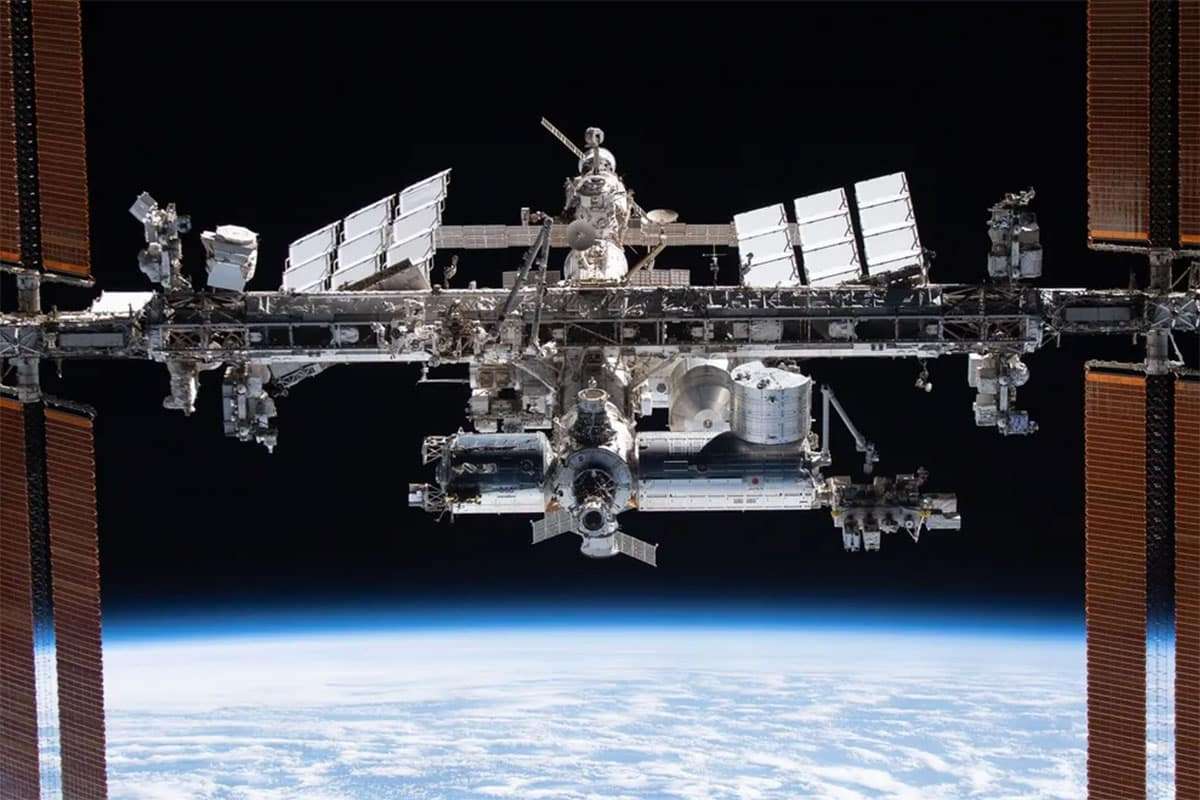
On November 8, 2024, SpaceX’s Dragon cargo spacecraft, currently attached to the ISS, is set to perform a groundbreaking operation. The capsule will ignite its thrusters for roughly 12.5 minutes to carry out a maneuver that will elevate the orbit of the space station. Although reboosting is a routine procedure for the ISS, this will be a historic first for Dragon.
Maintaining the ISS’s altitude is vital because Earth's atmosphere slowly drags the station downward. Traditionally handled by Russian Soyuz vehicles, this reboost marks a significant milestone in SpaceX’s expanding role in station upkeep. This shift coincides with upcoming plans for new orbital platforms set to replace the ageing ISS in the near future.
Jared Metter, SpaceX’s flight reliability director, highlighted the importance of this test for several reasons:

- Gathering performance data to enhance future missions
- Preparing for the upcoming U.S. deorbit vessel
- Advancing SpaceX’s operational responsibilities on the ISS
SpaceX Cementing Its Role in ISS Operations
This reboost process isn’t simply a technical feat; it symbolizes SpaceX’s growing duties in station management. In July, SpaceX was assigned the responsibility of controlled ISS deorbiting, anticipated no sooner than 2030, requiring a much larger Dragon vehicle. The upcoming maneuver acts as a foundational step toward that significant objective.
SpaceX’s deeper involvement comes amid shifting international space relations. Despite geopolitical tensions, the ISS remains a beacon of global partnership. With Russia setting sights on launching its own space station by 2028, alternative servicing spacecraft like those from SpaceX have become essential. NASA has previously demonstrated orbit boosts using Northrop Grumman’s Cygnus cargo ship in 2022, and now the spotlight turns to SpaceX’s capabilities.
This initiative aligns with SpaceX’s wider space exploration ambitions. The company has already made headlines with its successful Starship booster launches and recoveries, underscoring its innovative leadership in spaceflight technology.
Addressing Recent Challenges: SpaceX’s Obstacles
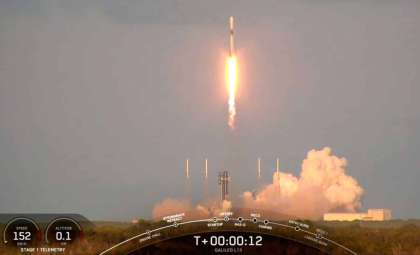
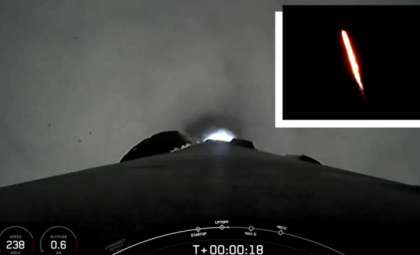
This historic ISS reboost comes on the heels of several technical incidents for SpaceX. The company experienced complications with Falcon 9 launches, landings, and a Dragon capsule splashdown throughout recent weeks. Both NASA and SpaceX have reassured that these events are unrelated and were managed swiftly without affecting crew or public safety.
A timeline of recent SpaceX issues includes:
Despite these hurdles, SpaceX’s unwavering commitment to safety and rapid issue resolution stands firm. Their ability to swiftly reschedule launches illustrates resilience and dedication that have earned them a $733 million contract from the US Space Force to launch key defense satellites.
Looking Forward: The Evolution of Space Station Maintenance
As SpaceX readies for this milestone maneuver, space agencies and private companies watch closely. Successful execution could usher in an era of greater versatility in maintaining orbital outposts and highlight the increasing influence of private firms in space station support and management.
The upcoming Dragon reboost represents more than a technical trial; it reflects a transformative phase in space exploration. As commercial stations gain traction and private participation surges, feats like this mark important progress. SpaceX’s contributions extend beyond resupply and crew transport to the ISS, including launching satellites for international initiatives such as the European Union’s Galileo project.
With ongoing evolution in the space sector, partnerships among NASA, SpaceX, and other entities will likely define humanity’s future in orbit. This forthcoming Dragon reboost underscores that progression, symbolizing SpaceX’s transition into a central player within global space efforts.
Source space.com
- Categories:
- Space






0 comments
Sign in to Comment