
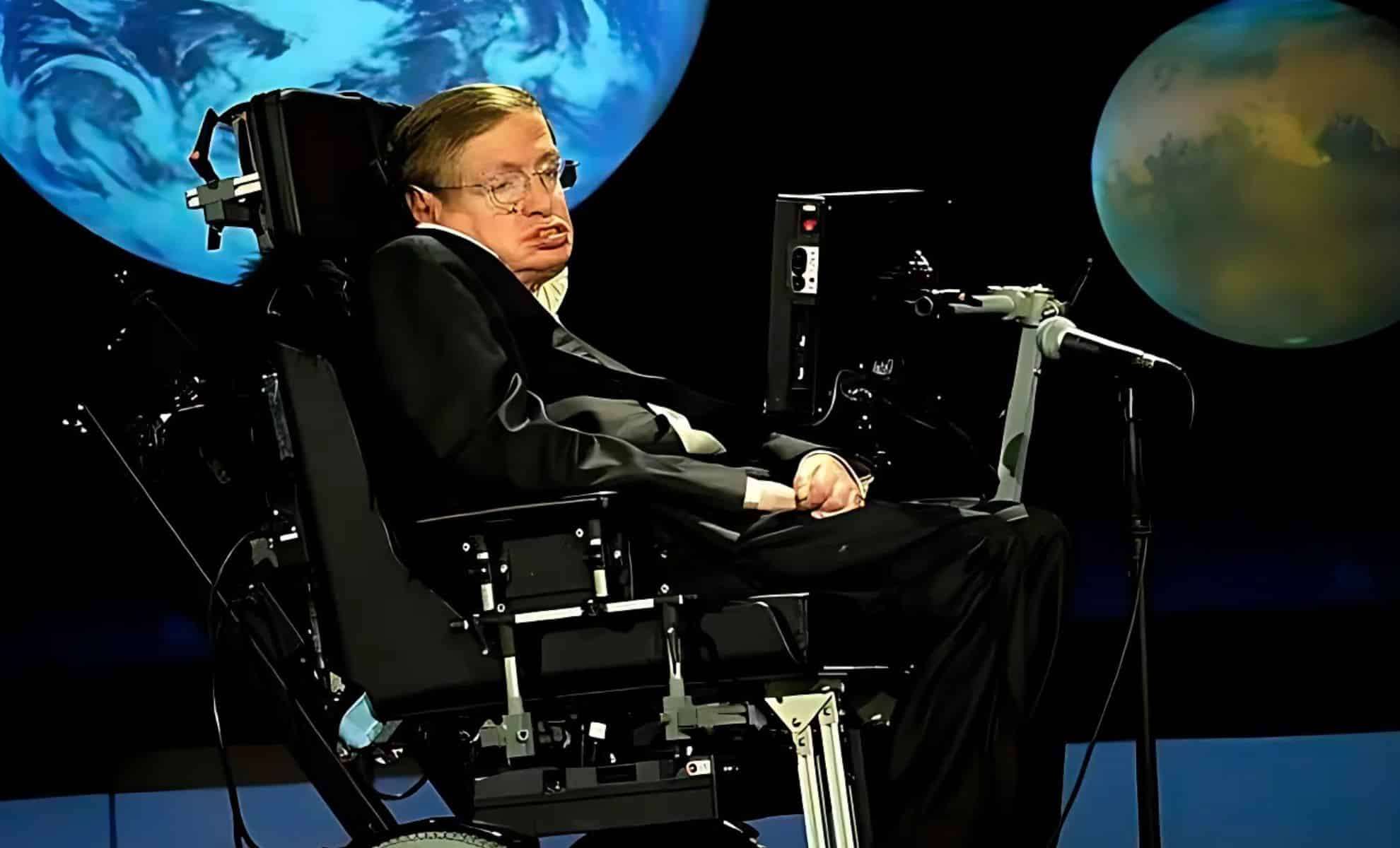
Back in 1995, renowned theoretical physicist Stephen Hawking appeared on the BBC’s visionary show Tomorrow’s World to share his insights on how life might evolve by 2025. Alongside leading scientists, he outlined expectations for advances in technology, space travel, and everyday living that seemed ambitious at the time. Now, 30 years later, many of Hawking’s predictions hold a strikingly true reflection of our current reality, showcasing his unique blend of scientific insight and foresight.
The Stars as the Next Frontier
During the episode, Hawking predicted that space exploration would transition from purely governmental projects to include significant private sector investment. Although commercial spaceflight was just emerging then, today firms like SpaceX and Blue Origin are leading this charge. Their goals range from developing space tourism to pioneering asteroid resource mining, closely aligning with Hawking’s vision of utilizing extraterrestrial materials.
Hawking also warned about the growing problem of orbital debris long before it captured widespread attention. Today, Earth is surrounded by more than 100 million fragments of space junk, threatening satellites and manned missions alike. Innovations like autonomous debris capture systems and novel satellite designs are now being developed to tackle this issue, echoing his early caution.

The Digital Revolution and Artificial Intelligence
Hawking foresaw a society transformed by digital connections, describing a global “internet” that would unite people as never before. This future is well established today, with smart devices, interconnected homes, and pervasive cloud computing forming the backbone of daily life, while social media platforms dominate communication worldwide.
He also emphasized the importance of artificial intelligence, predicting its growth as a foundational technology. Currently, AI is integral in fields like healthcare, education, and creative industries, aiding diagnosis, personalizing learning, and producing digital content. However, Hawking cautioned against the dangers of unchecked AI development, warning about systems growing beyond human control—a concern that is increasingly relevant with the surge of generative AI tools.
Robots in Everyday Life and Medicine
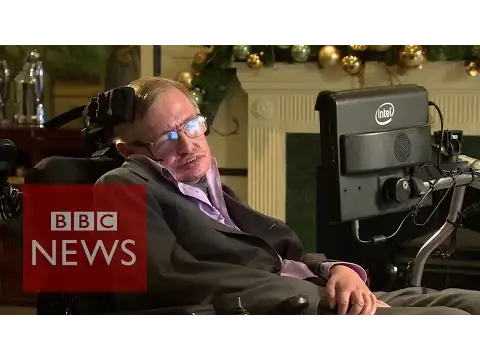
Hawking predicted the integration of robotics into daily routines, a forecast coming to fruition today. Robotic systems now assist in precise surgeries, and household automation devices like Alexa and robotic vacuums have become commonplace. His mention of “intelligent assistants” for managing homes is reflected in today’s smart home technology ecosystems.
Yet, some expectations remain unrealized. The concept of implanted microchips for tasks such as banking, while in progress technically, has not been widely embraced by the public. Similarly, the idea of ultra-fast space travel remains theoretical rather than practical.
Reflections on Predictions: Hits and Misses
Alongside Hawking, other experts on Tomorrow’s World made forecasts that have not fully materialized. For example, they believed the internet would be dominated by financial institutions and major corporations, becoming more controlled. Contrary to this, the web has grown to be more open and democratized, empowering individual expression and global connectivity.
Despite some inaccuracies, Hawking’s ability to foresee pivotal shifts—especially in privatized space ventures, AI development, and robotics—is impressive. His method of combining imaginative speculation with scientific grounding remains influential as society contends with advancing technology and its ethical implications.











0 comments
Sign in to Comment