
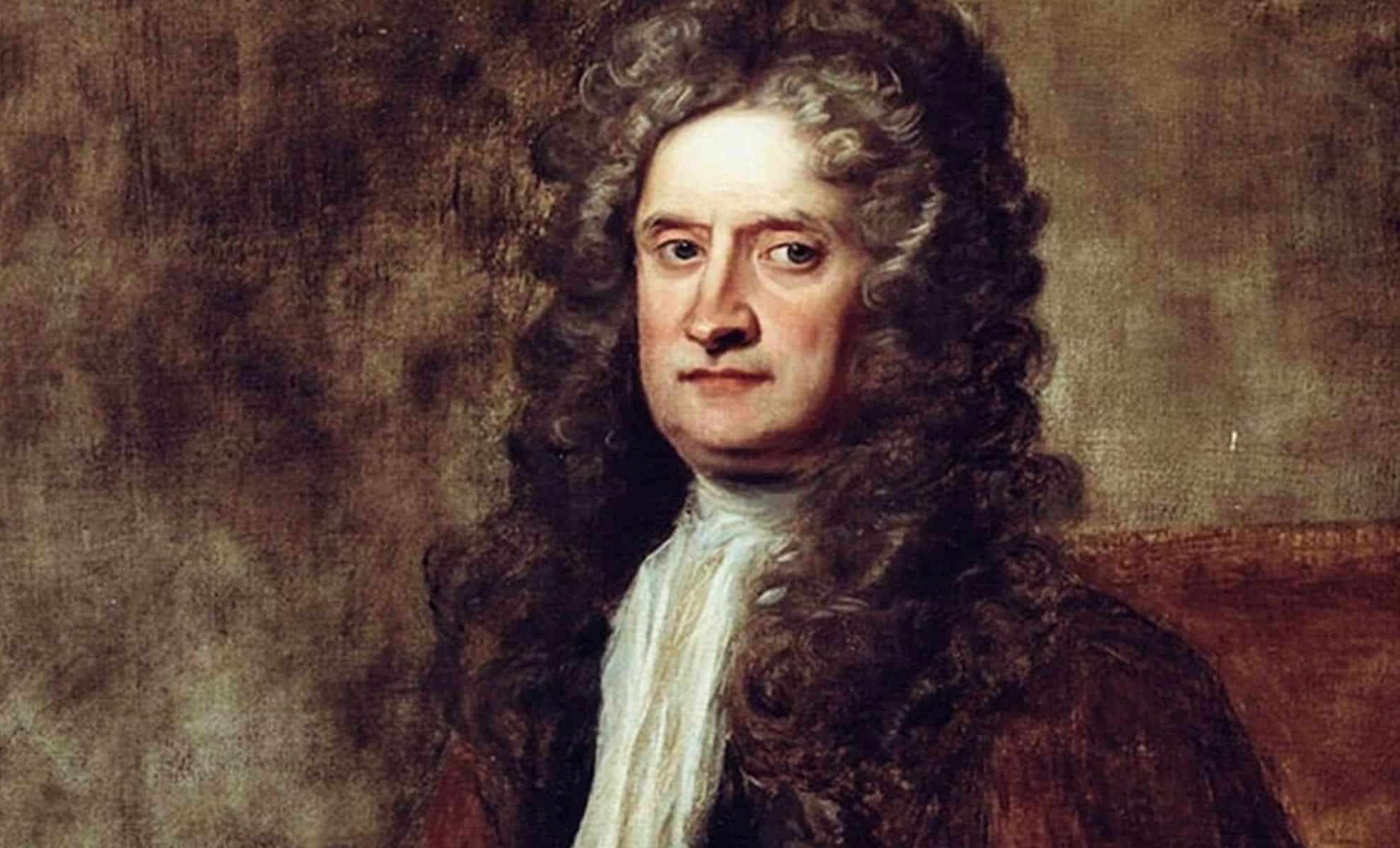
Imagine if one of history’s most influential scientists had predicted the exact timing of the world’s end. This notion isn’t from a novel but stems from calculations made by Sir Isaac Newton over 300 years ago. His work suggested that the Earth might face its final days around the year 2060.
Newton’s Vision of the Apocalypse
Famous for his discovery of gravity through the legendary apple incident, Newton also dived deeply into religious prophecy. The renowned physicist devoted significant effort to interpreting biblical texts, particularly from the Book of Daniel, leading him to foresee an apocalyptic event occurring in 2060.
In a detailed letter dated 1704, Newton outlined his reasoning. He identified a prophetic timeline of 1,260 years beginning with the Holy Roman Empire, predicting a period marked by conflict and disease that would eventually give way to a thousand-year era of Christ’s peace. His approach wasn’t mere speculation. Newton himself remarked:

“It may end later, but I see no reason for it to end sooner.”
This message was a rebuttal to the popular doomsday speculations of his century. Newton aimed to provide a more rational and evidence-based perspective, distancing himself from alarmist predictions.
The Enduring Mystery of Newton’s Forecast
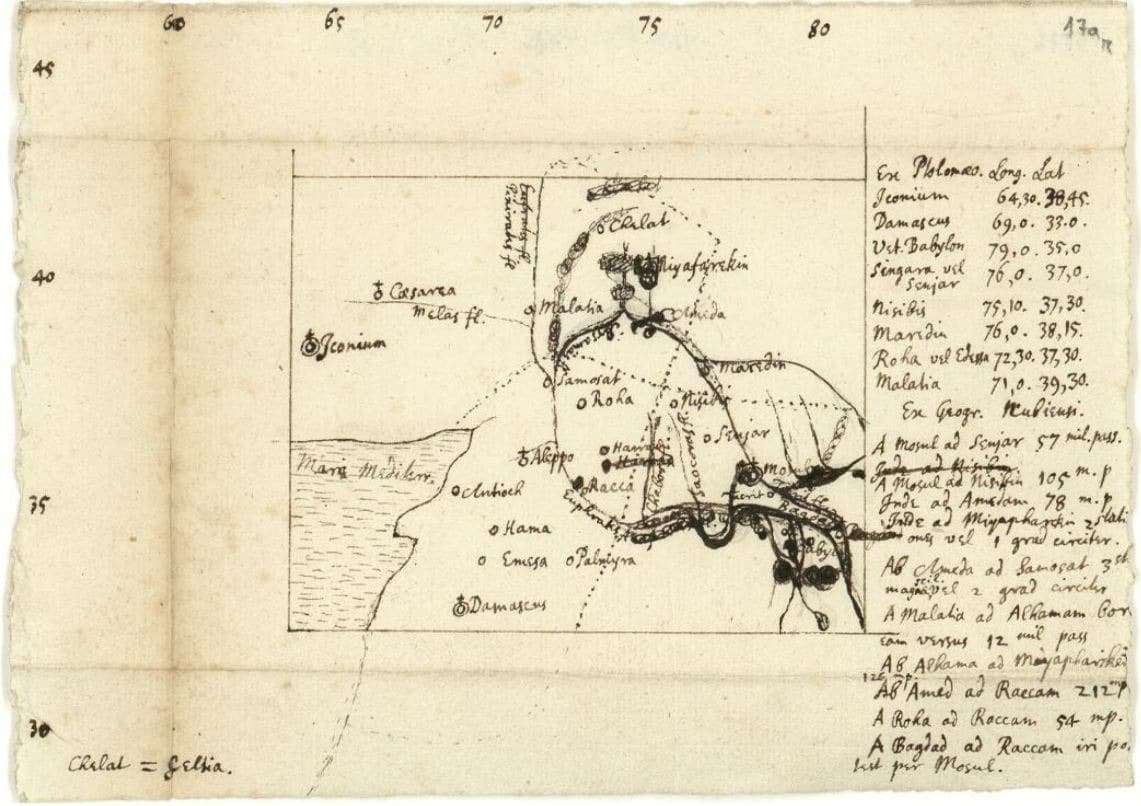
Centuries later, Newton’s prophetic letter remains a captivating document. Kept safe at the Hebrew University of Jerusalem, it continues to intrigue both religious scholars and scientific historians, who debate whether Newton was genuinely confident in his timeline or engaging in intellectual exercise.
A Scientist Rooted in Spiritual Thought
Newton’s contributions extended beyond the physical sciences. As historian Stephen D. Snobelen from King’s College in Halifax describes, “There was no impermeable barrier between religion and what we call science today.” This reflects how Newton comfortably combined his scientific inquiry with deep religious beliefs.
His fascination with theology wasn’t limited to apocalyptic predictions. The pioneering physicist composed an immense body of theological and mystical text—enough to fill around 150 novels. A central theme in his studies was the rebuilding of Jerusalem’s Temple, which Newton saw as an essential precursor to the Second Coming of Christ.
As 2060 Nears, Should We Take Notice?
With 2060 drawing closer, many revisit Newton’s detailed prediction with renewed interest. Was it merely the theological reflection of a brilliant 17th-century intellect or an insight reaching beyond his era?
One thing remains clear—whether celebrated as a groundbreaking scientist or a mystical scholar, Isaac Newton continues to captivate and provoke curiosity worldwide. His scientific achievements endure, but so too does his enigmatic vision of what lies ahead.
- Categories:
- News








0 comments
Sign in to Comment