
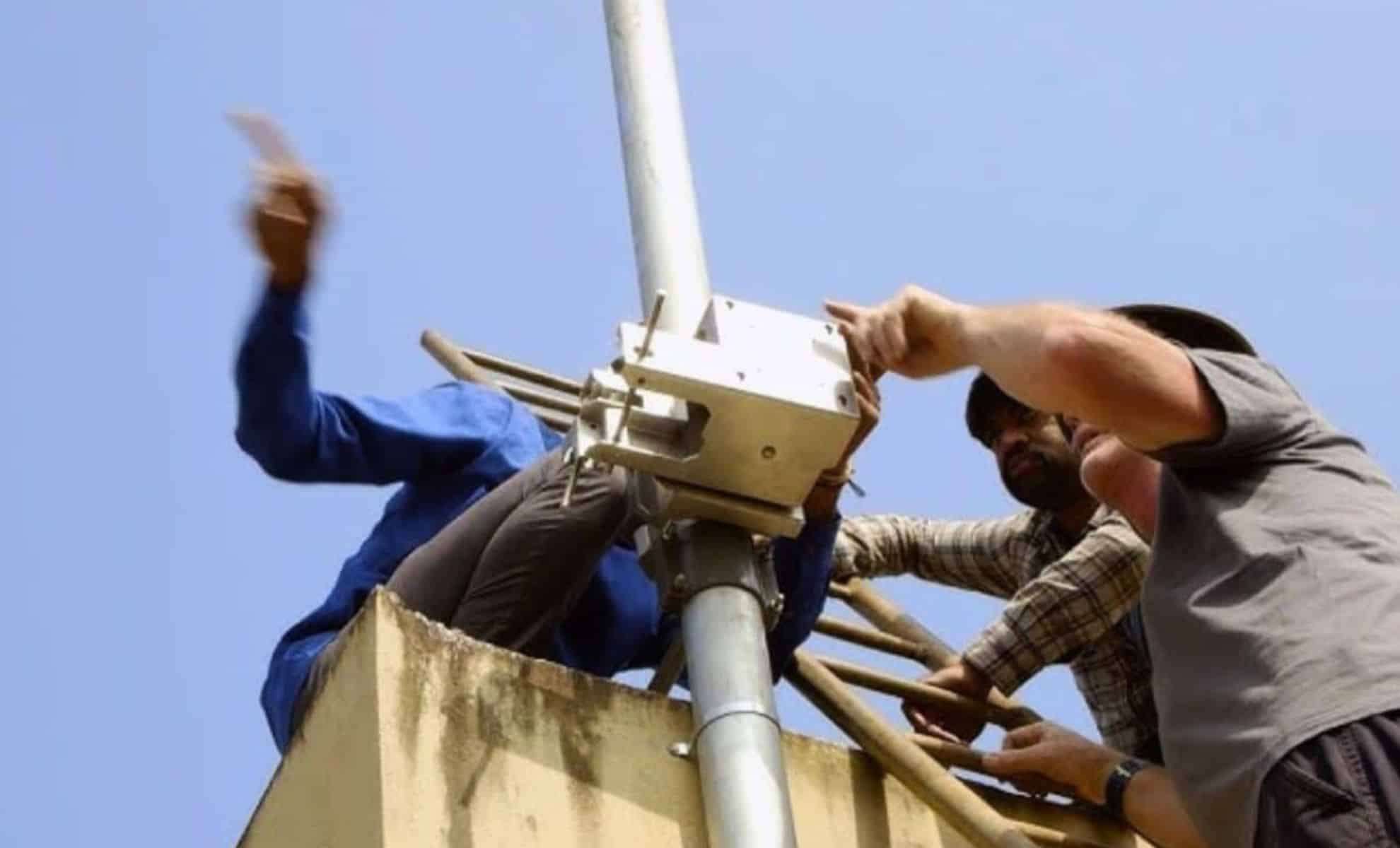
A dedicated team of engineers in California is challenging conventional internet solutions. Operating under the new brand Taara, this group has spun off from Alphabet, Google’s parent company, with ambitions to revolutionize global connectivity—this time by using ground-based technology instead of satellites.
Located in Mountain View, the team has created an internet platform that uses precise laser beam transmissions rather than relying on traditional fiber cables or orbiting satellites. Their claim is striking: they can deliver data speeds 10 to 100 times faster than a standard Starlink antenna, at only a fraction of the usual expense. On March 17, 2025, Taara officially separated from Alphabet and began pursuing independent investments and strategic commercial collaborations.
Using Light to Power Ultra-Fast Internet
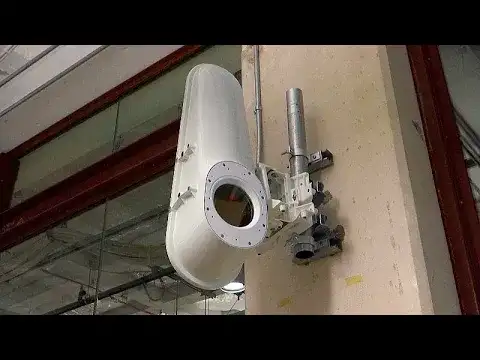
Taara’s technology transmits data via focused light beams dubbed Lightbridges. These devices can cover distances up to 20 kilometers while achieving transfer rates as high as 20 gigabits per second. Compact and approximately the size of a traffic signal, the equipment is intended for mounting on rooftops or poles to maintain clear line-of-sight connections.

Unlike conventional fiber-optic setups requiring extensive underground cabling, Taara’s system avoids ground disruption entirely. This makes it particularly effective in difficult terrains such as over bodies of water, across valleys, between structures, or in remote areas lacking broadband infrastructure.
While free-space optical communications have existed since the late 1990s, earlier implementations struggled with weather sensitivity and alignment challenges. Taara asserts its Lightbridges employ enhanced beam tracking and robust designs that overcome many of these obstacles.
Testing Ground: Africa and the U.S.
Before becoming independent, Taara discreetly tested its system in several locations. In Kinshasa, the capital of the Democratic Republic of Congo, it helped close connectivity gaps. Their technology also saw deployment in Nairobi, Kenya, and at the Coachella Valley Music and Arts Festival in Indio, California.
These pilot programs demonstrated the ability to provide consistent, rapid internet where traditional cabling is costly or impractical. Rather than replacing widespread satellite coverage, Taara aims to offer high-capacity solutions for last-mile connectivity in critical spots.
Mahesh Krishnaswamy, founder and CEO of Taara, emphasized the company’s focus on areas historically underserved by mainstream providers: “Our connections deliver speeds 10 to 100 times faster than typical Starlink antennas, all while being far more affordable,” he shared.

Miniaturized Chip and Future Prospects
Looking ahead to 2026, Taara plans to roll out a compact, chip-sized version of the Lightbridge system. This fingertip-sized device will dispense with bulky mounts and optics, simplifying installation and slashing costs.
Utilizing wavelengths between infrared and visible light in the electromagnetic spectrum, the chip will still maintain transmission capabilities of up to 20 kilometers. This evolution marks a major streamlining from the current mirror-based configuration toward a near plug-and-play solution.
Taara’s origins trace back to Alphabet’s Project Loon, which sought to deliver internet via high-altitude balloons before its closure in 2021. Instead of abandoning the concept, Krishnaswamy and colleagues adapted the optical communication aspect for terrestrial deployment.
Positioning Taara Among Internet Providers
Though frequently compared to Elon Musk’s Starlink satellite network, Taara serves a complementary role in the internet ecosystem. Whereas Starlink provides connectivity through a constellation of thousands of satellites, covering vast and remote regions, Taara focuses on linking specific locations—such as villages, towns, and event venues—where ground infrastructure is practical and demand is concentrated.
Eric Teller, who oversees experimental projects at Alphabet’s X division, explained that the spin-off was a strategic move. “This structure allows them to quickly access market capital, attract strategic investors, and scale their operations more effectively,” he noted.
Currently active in 12 countries and employing approximately 20 staff, Taara remains tight-lipped about manufacturing details and pricing. However, the company’s overarching mission is clear: to expand worldwide coverage and help close the digital divide for the roughly three billion people still lacking dependable internet access.
- Categories:
- News










0 comments
Sign in to Comment